Jordan’s tourism industry is facing one of its sharpest downturns in years as regional conflict linked to Iran drives international travellers away from the country and leaves the ancient city of Petra nearly deserted.
The UNESCO-listed archaeological site, usually packed with foreign tour groups during the spring travel season, has seen visitor numbers collapse since the outbreak of the Iran-related conflict in late February. Hotels, tour operators, souvenir traders and licensed guides across southern Jordan say cancellations have accelerated as travellers avoid the wider Middle East despite Jordan remaining outside the direct fighting.
Tourism is one of Jordan’s most important industries, supporting jobs in hotels, restaurants, transport, guiding and local trade. Petra, the country’s best-known attraction, is central to that economy and a major source of income for communities in and around Wadi Musa.
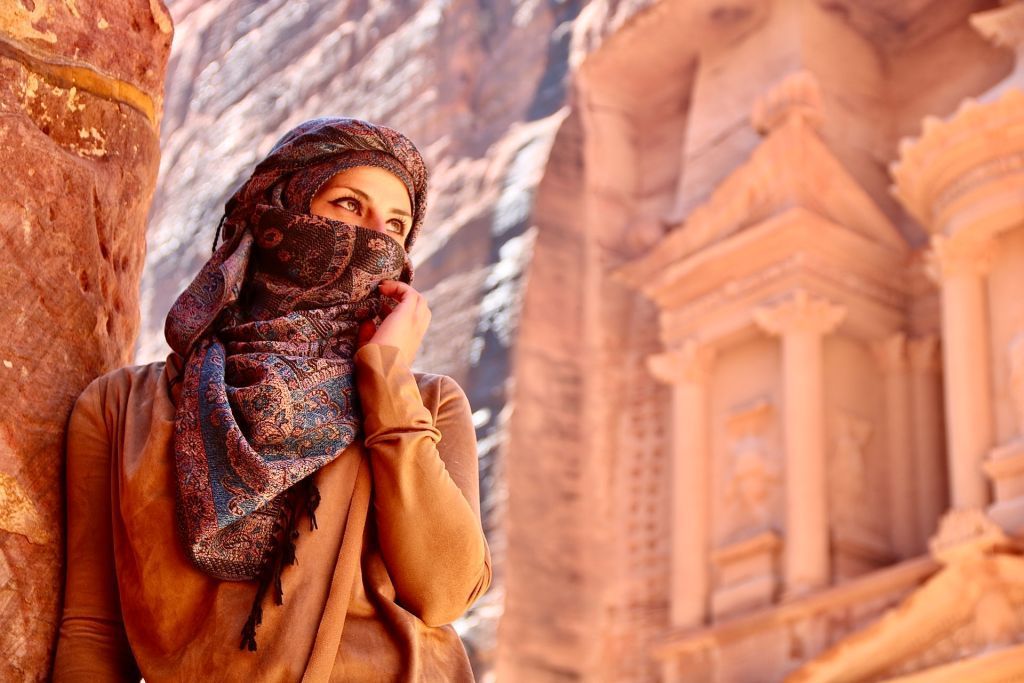
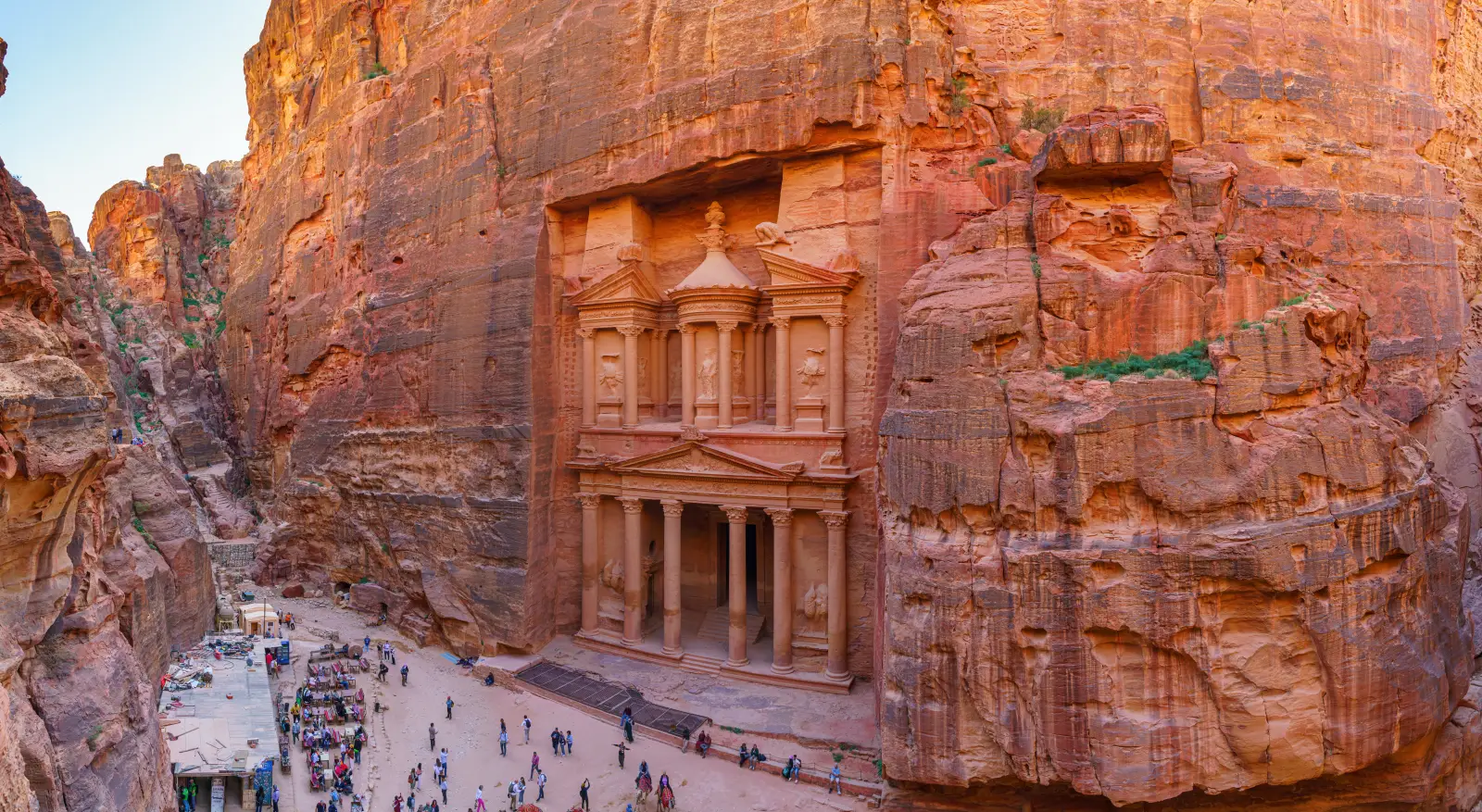
The impact has been especially severe at Petra, where the usual flow of visitors has slowed dramatically. The ancient Nabataean city, carved into rose-coloured sandstone cliffs more than 2,000 years ago, normally attracts large crowds during the spring season. Local tourism workers now describe empty walking trails, quiet markets and sharply reduced hotel occupancy.
Reports from international media said Petra had started the year strongly, with visitor numbers high in January and February before the regional crisis deepened. Since then, arrivals have dropped sharply as travellers postpone trips, cancel package tours or choose destinations outside the Middle East.
The loss of visitors has hit small businesses first. Licensed guides, camel and horse handlers, hotel workers, restaurant owners and traders selling souvenirs depend heavily on daily tourist traffic. For many, the sudden fall in demand has meant fewer bookings, reduced working hours and growing uncertainty about the months ahead.
The decline reflects a wider problem for travel across the region. Even when conflict does not take place inside a destination, security fears can quickly reshape traveller behaviour. Airspace disruptions, airline rerouting and international travel warnings can also make visitors more cautious when planning trips to neighbouring countries.
Jordan has long promoted itself as a stable destination with major cultural and natural attractions, including Petra, Wadi Rum, the Dead Sea, Amman and Jerash. But the latest instability has made it harder for the country to reassure travellers who often view the Middle East as a single risk zone during periods of conflict.
Tour operators say the challenge is not only the immediate loss of bookings but also the damage to confidence. Group tours, long-haul holidays and cultural itineraries are often planned months in advance, meaning a prolonged period of uncertainty could affect arrivals well beyond the current season.
The slowdown also comes at a difficult time for Petra’s local economy. The site is both Jordan’s most famous tourism landmark and a fragile heritage destination that requires constant investment, conservation and visitor management. A sharp fall in ticket sales and tourism spending can place pressure on both public revenues and private livelihoods.
For businesses in Wadi Musa, the change has been abrupt. Streets and paths that would normally be busy with visitors, guides and tour groups are now far quieter. Some hotels and restaurants are operating with reduced demand, while independent workers are waiting for bookings to return.
Jordanian tourism officials now face the task of restoring confidence while regional tensions continue. Recovery will depend on security conditions, airline schedules, travel advice from major source markets and the willingness of international tour operators to restart normal programmes.
The situation highlights the fragility of tourism in conflict-affected regions. Destinations can suffer major losses even when fighting takes place elsewhere, as perceptions of risk influence holiday decisions and corporate travel planning.
For Jordan, the stakes are particularly high. Petra is not only a UNESCO World Heritage site and a global symbol of the country, but also a lifeline for thousands of people whose income depends on visitors. Until confidence returns, one of the world’s most iconic archaeological cities is likely to remain far quieter than usual.
Photo Credit: Sergey_Bogomyako / Shutterstock.com