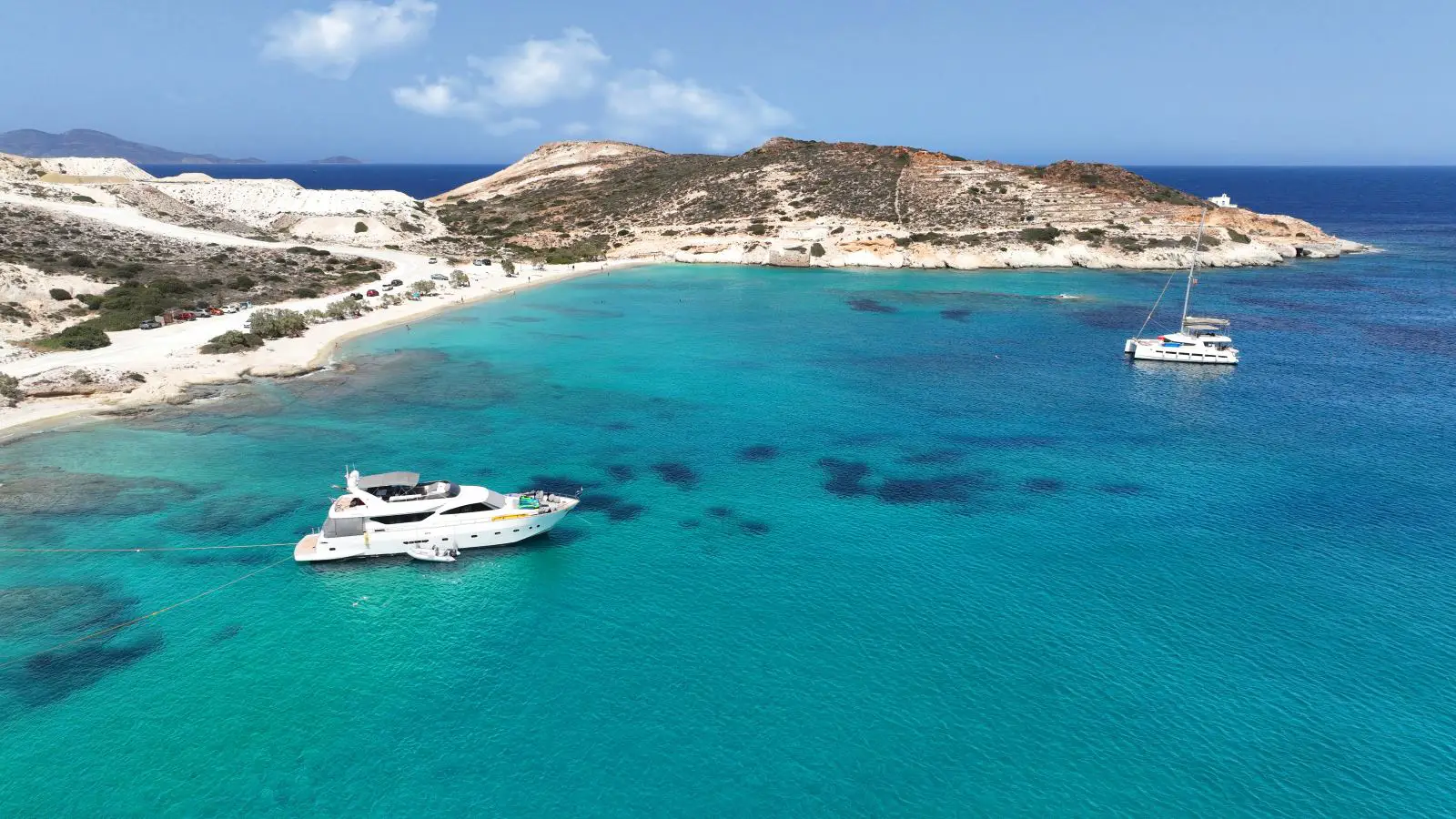
Greece is drawing new attention to a group of uninhabited islands where archaeology, mythology and untouched landscapes continue to shape the visitor experience long after permanent residents disappeared.
The islands of Dryonissi, Delos, Filizi and Polyaigos each offer a different version of isolation, from sacred ancient ruins and Bronze Age remains to hidden coves, sea caves and clear turquoise water.
While Greece is known globally for busy summer hotspots such as Mykonos and Santorini, these smaller and largely empty islands present another side of the Aegean, one focused on silence, preservation and natural history.
Delos, the most famous of the four, remains one of the Mediterranean’s most important archaeological sites and is protected under UNESCO World Heritage status. According to Greek mythology, the island was the birthplace of Apollo and Artemis, after their mother Leto found refuge there.
The island later became a major religious and commercial centre of the ancient Greek world. Visitors today can still walk through the remains of marketplaces, sanctuaries, temples and residential quarters that once supported tens of thousands of people.
The famous Terrace of the Lions continues to overlook the site, although the original marble statues have been moved indoors for protection and replicas now stand in their place.
Archaeological highlights also include the Theatre Quarter, the House of the Dolphins with its detailed mosaics, the Temple of Isis and Mount Kynthos, which offers wide views across the Cyclades.
Unlike most Greek islands, Delos has no hotels, restaurants or permanent civilian population. Overnight stays are forbidden for visitors in order to protect the archaeological landscape, with only custodians, guards, archaeologists and technical staff allowed to remain after dark. UNESCO notes that the island has remained largely uninhabited since the 7th century AD, helping preserve the site’s authenticity and integrity.
Access to Delos is usually by day boat from nearby Mykonos, and travellers are advised to bring water and sun protection because shade and facilities remain limited across the exposed island terrain.
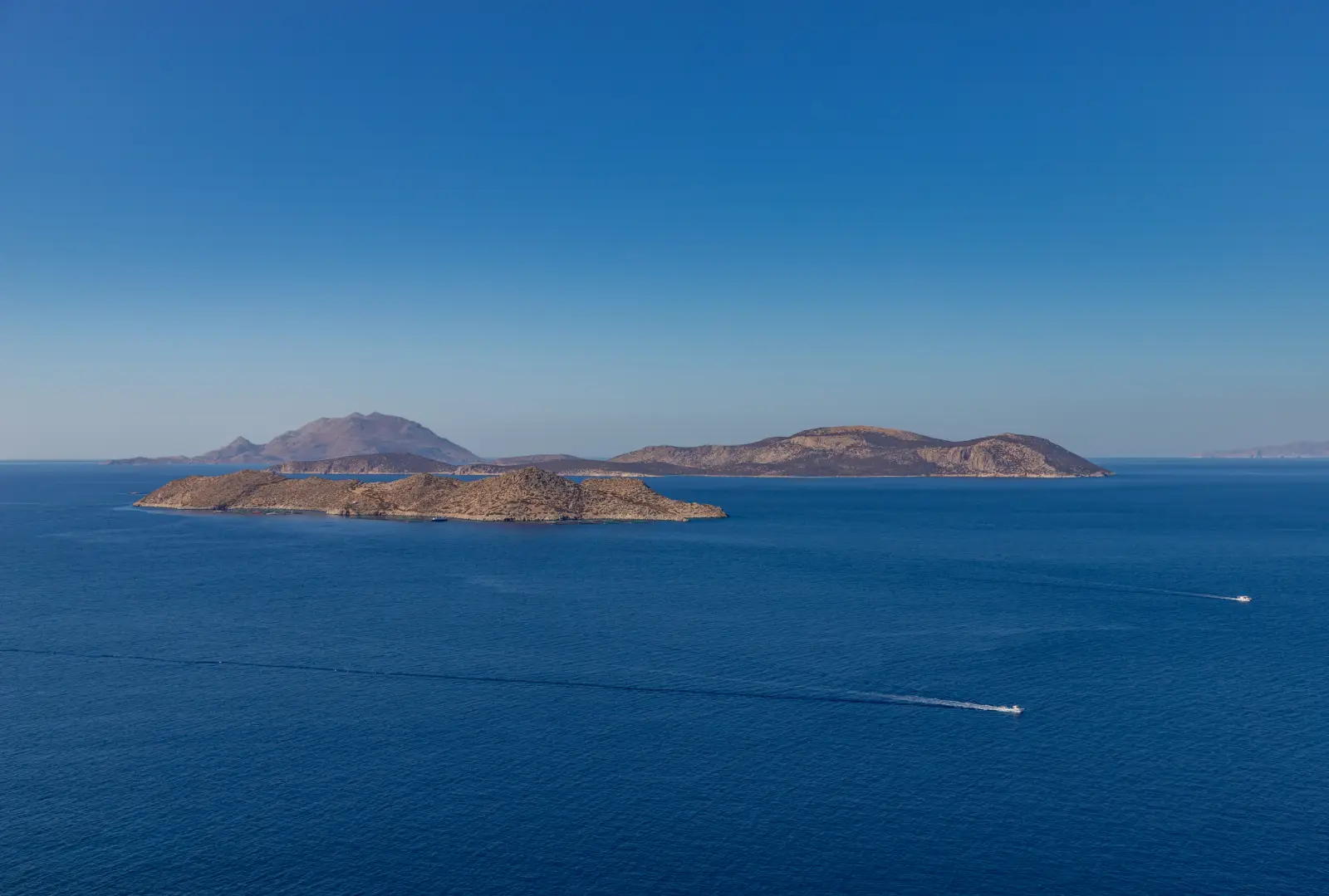
South-east of Paros lies Dryonissi, a rocky limestone islet that at first glance appears barren and empty. Excavations, however, have uncovered pottery fragments, stone tools and evidence of human activity dating back to the Early Cycladic period between 3000 and 2000 BC.
Archaeologists have also identified low agricultural walls that once helped retain soil and shield crops from strong winds, while traces of quarrying activity suggest organised extraction of limestone in antiquity.
The island’s sparse landscape reflects how even very small Cycladic islands once formed part of wider maritime and trading networks across the Aegean.
Filizi, another small islet near Santa Maria on Paros, offers a quieter and more intimate experience. Today it can be reached by a short swim, but researchers believe it was once connected to Paros by a narrow strip of land that disappeared over time due to geomorphological changes.
Archaeological remains found on Filizi date from between the 8th and 5th centuries BC, a period associated with the rise of Greek city states, maritime trade and artistic expansion across the eastern Mediterranean.
Unlike Delos, Filizi contains no monumental ruins. Its appeal comes instead from its simplicity and silence. Travellers who reach the tiny island encounter little more than rock, sea and traces of earlier human presence.
Polyaigos, located near Kimolos, is the largest island in the group and one of the least populated places in the Cyclades. Its name means “many goats”, a reference to the animals that historically grazed there.
The island is known for dramatic cliffs coloured by volcanic minerals and obsidian deposits, along with bright turquoise coves that attract yachts and sailing excursions during summer.
Sea caves along the coastline also provide breeding areas for the endangered Mediterranean monk seal, one of Europe’s rarest marine mammals. Limited tourism and the island’s lack of freshwater sources have helped preserve its wild character.
Archaeologists have discovered evidence of Bronze Age activity linked to mineral extraction, although the harsh conditions prevented the growth of permanent settlements.
A lighthouse on Polyaigos still guides vessels moving through the southern Aegean towards Crete, continuing the island’s long connection with maritime navigation.
Together, the four islands show how Greece’s uninhabited landscapes continue to combine tourism, mythology, archaeology and environmental protection.
Rather than empty spaces abandoned by history, the islands preserve traces of trade routes, sacred traditions, quarrying, farming and seafaring that shaped the ancient Aegean world.
For travellers increasingly seeking quieter destinations away from mass tourism, islands such as Delos, Dryonissi, Filizi and Polyaigos offer a different vision of Greece, one where ruins, geology and the sea remain the main storytellers.
Photo Credit: Aerial-motion / Shutterstock.com