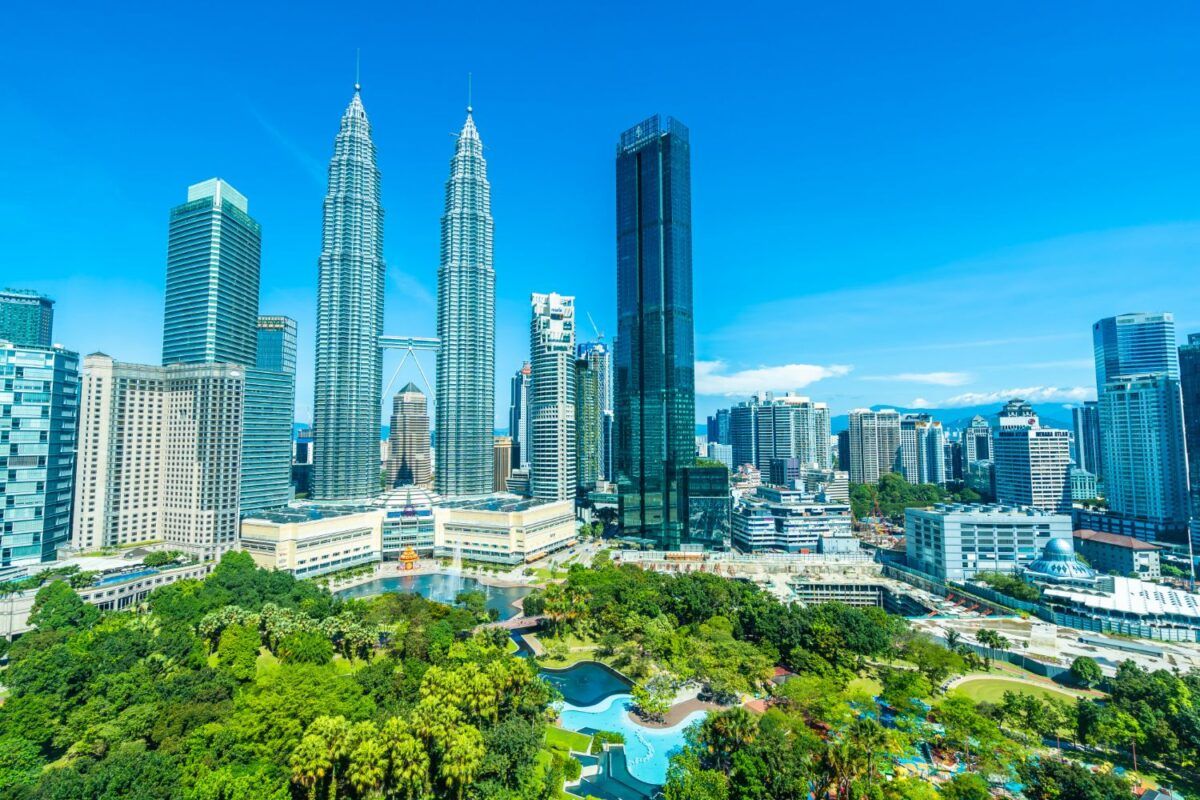
Geographically, Malaysia is comprised of two distinct regions separated by the South China Sea: Peninsular Malaysia (also known as West Malaysia) and East Malaysia. Peninsular Malaysia borders Thailand to the north and Singapore to the south.
East Malaysia, on the other hand, is located on the island of Borneo (also known as Kalimantan) and consists of the states of Sabah and Sarawak, along with the federal territory of Labuan. It borders Brunei, and Indonesia to the south.
East Malaysia is home to a variety of stunning natural wonders, including national parks, mountains, rivers, and islands that feature some of the planet’s most diverse ecosystems. Visitors also have an opportunity to learn about the importance of environmental preservation.
It is a haven for those seeking adventure. Imagine travelling through ancient rainforests, where towering trees tell stories from the ancient past and vivid wildlife thrive in the undergrowth. Marvel at stunning limestone caverns and their intricate forms etched by time.
Here are some of the most notable natural attractions.
Climb up Mount Kinabalu
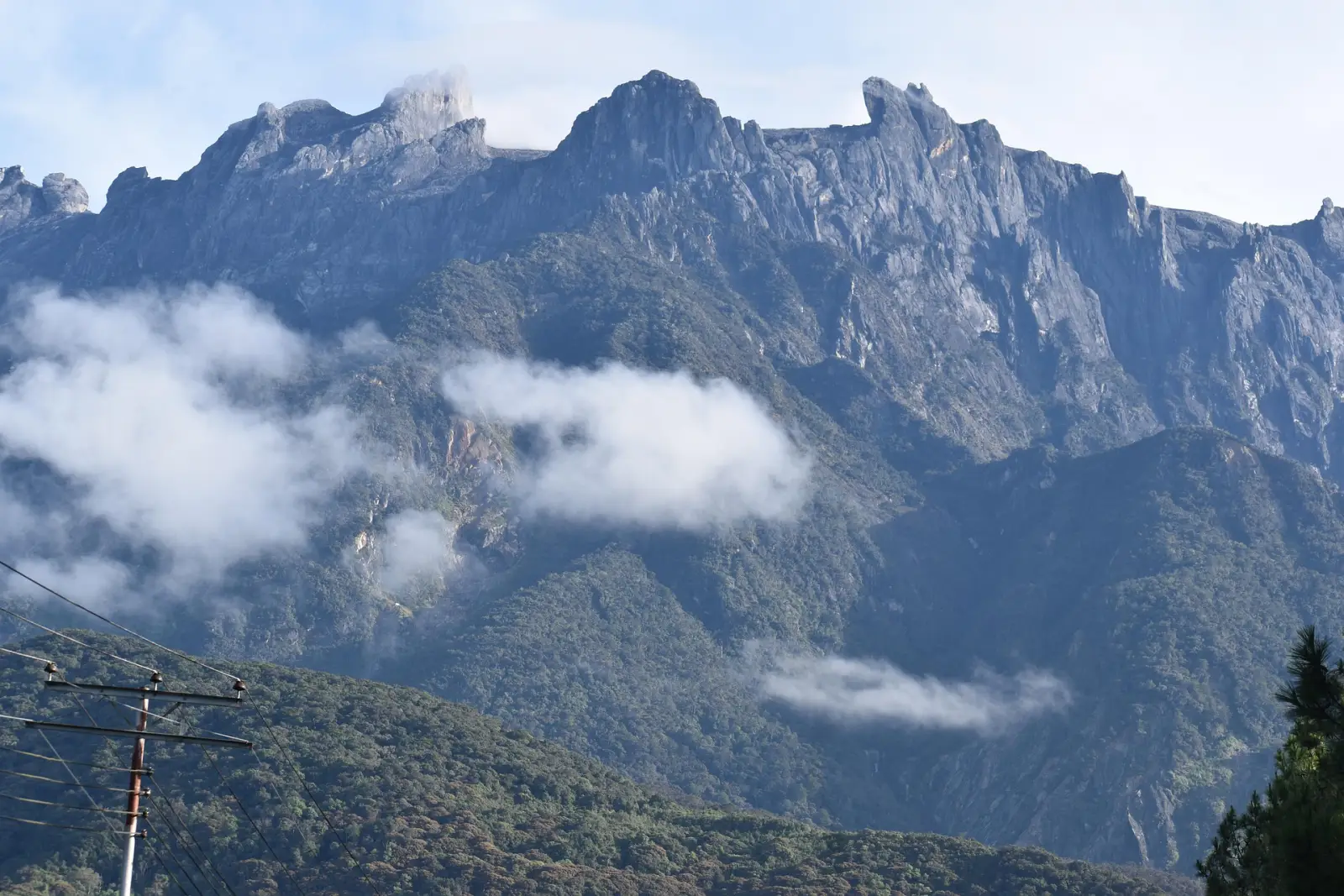
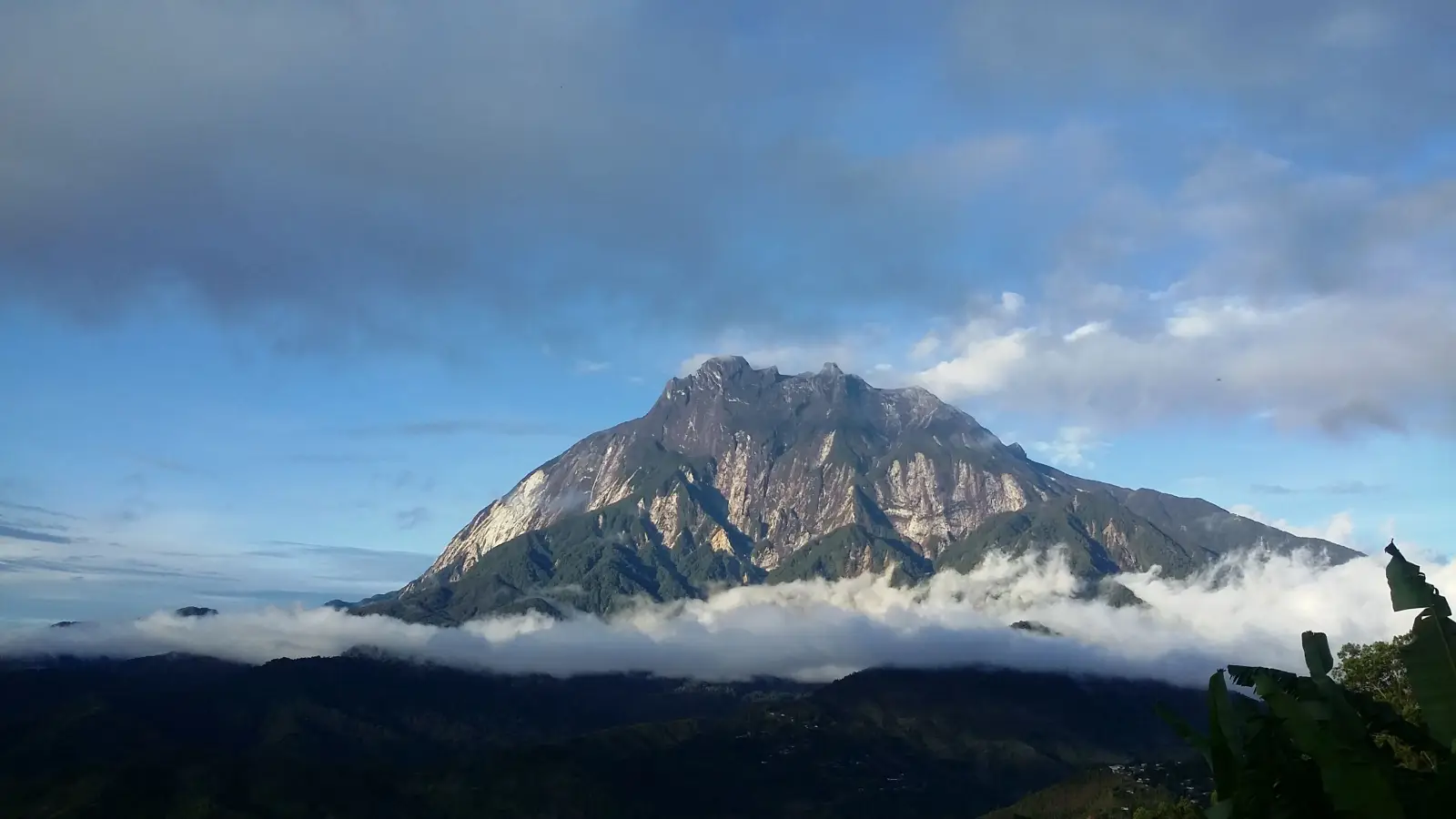
Sabah, of which its capital is Kota Kinabalu, is also the home of Mount Kinabalu, with a height of 4,095 meters, making it the highest peak in Southeast Asia and the most famous natural attraction in East Malaysia.
Mount Kinabalu is a UNESCO World Heritage Site and is a very popular trekking activity as it is easily accessible to amateur climbers. The climb is typically a 2-day, 1-night trip, with a 3-day trip recommended for acclimatisation.
Malaysia’s tallest mountain is summited by some 20,000 people every year. Interested climbers must apply for a permit and arrange for a mountain guide through Sabah Parks before climbing one of the marked trails. Only about 100 climb permits per day are issued.
Some of my friends have hiked up to the peak and they say you do not need mountaineering skills as it is not technically demanding. However, hikers must have a good level of fitness and make careful preparations especially having proper hiking gear. You do need good hiking shoes or else your toe nails will suffer after some steep climbing.
View the Orangutans and Sun Bears in their natural habitat
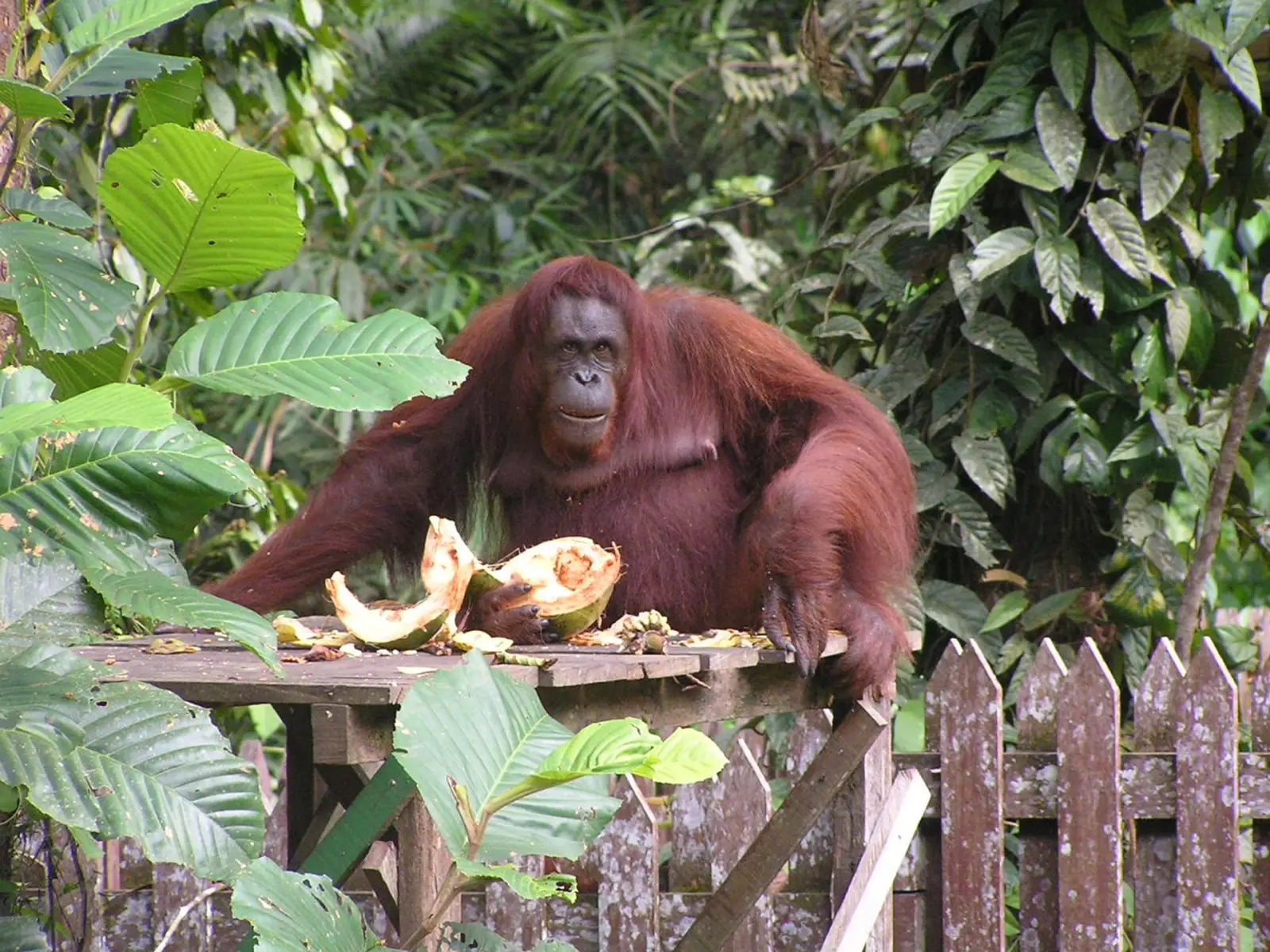
The orangutan is an endearing symbol of Bornean wildlife. The Sepilok Orangutan Rehabilitation Centre in Sandakan, Sabah, was established in 1964 to rehabilitate orphaned and injured orangutans. Sepilok was the first centre in the world to dedicate itself to the rehabilitation of orangutans.
The facility provides medical care and food and trains the orangutans to survive in the wild in the hope that they can eventually return to their natural habitat.
As orangutans only live in Malaysia and Indonesia, the rehabilitation centre dedicates itself to preserving their population. Around 25 young, orphaned orangutans are being taken care of at any time, while 80 to 100 orangutans live in the reserve around the centre.
You can also visit the neighbouring Bornean Sun Bear Conservation Centre that rehabilitates orphaned or ex-captive bears into the wild and provides a safe environment for those that cannot be released.
Cruise Along Kinabatangan River
Take a boat trip along the 560-kilometre Kinabatangan River in Sandakan, Sabah, that features a rich mix of vegetation that supports a remarkable diversity of wildlife; including proboscis monkeys, orangutan, gibbons, Bornean pygmy elephants, tarsiers, slow loris, macaque monkeys, crocodiles, freshwater sharks, Irrawaddy dolphins, hornbills and a variety of other birds.
Diving in Sipadan
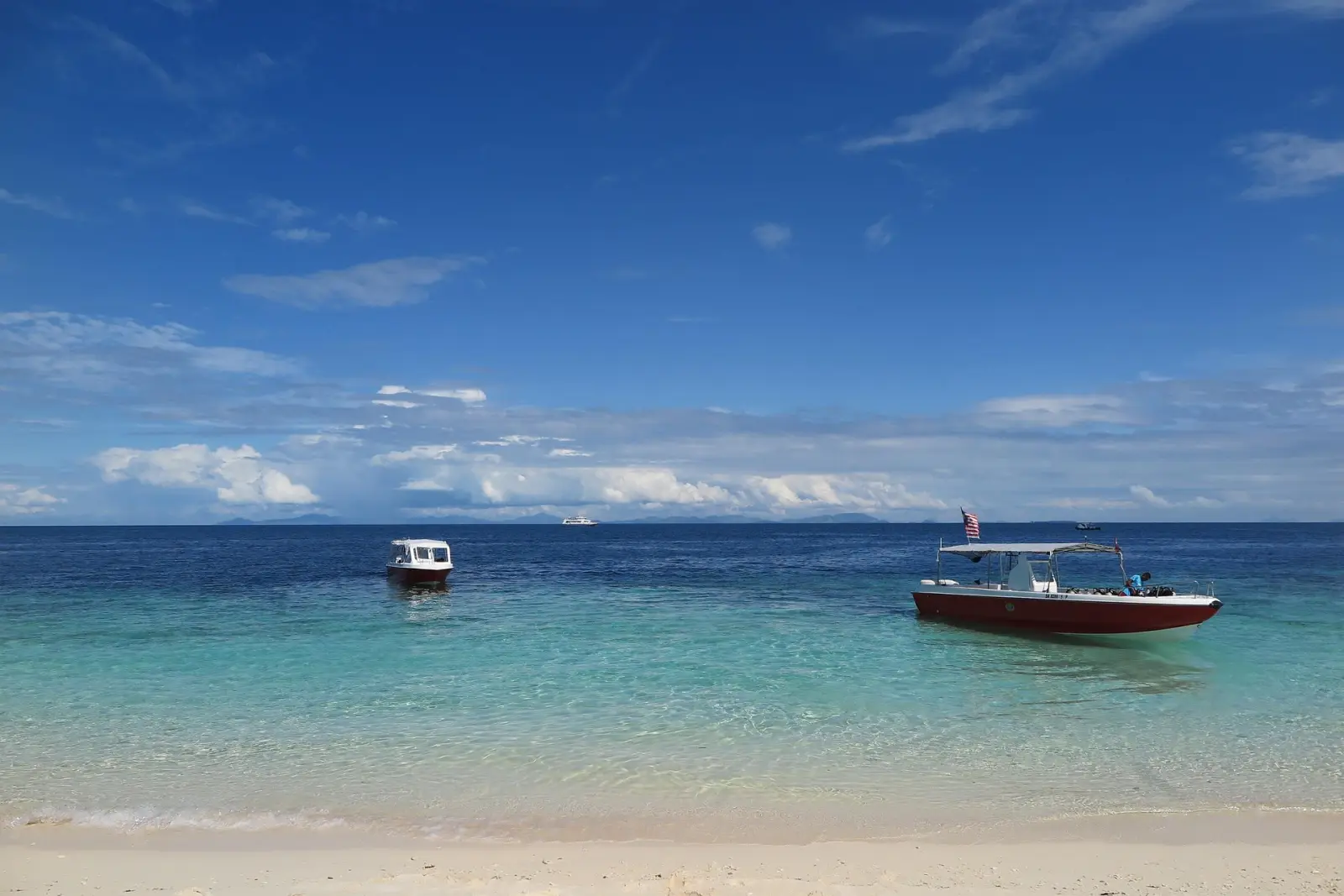
Sipadan Island is the only oceanic island in Malaysia, rising 600 metres from the seabed. It is located off the east coast of Sabah. Known the world over for its incomparable diving and seclusion, this marine paradise is also covered by 30 acres of untouched rainforest.
The most famous dive is the Drop Off, one of the top beach dives in the world with a drop of 600m! Only about 120 diving permits are issued daily via diving centres.
Limestone Caves at Gunung Mulu National Park
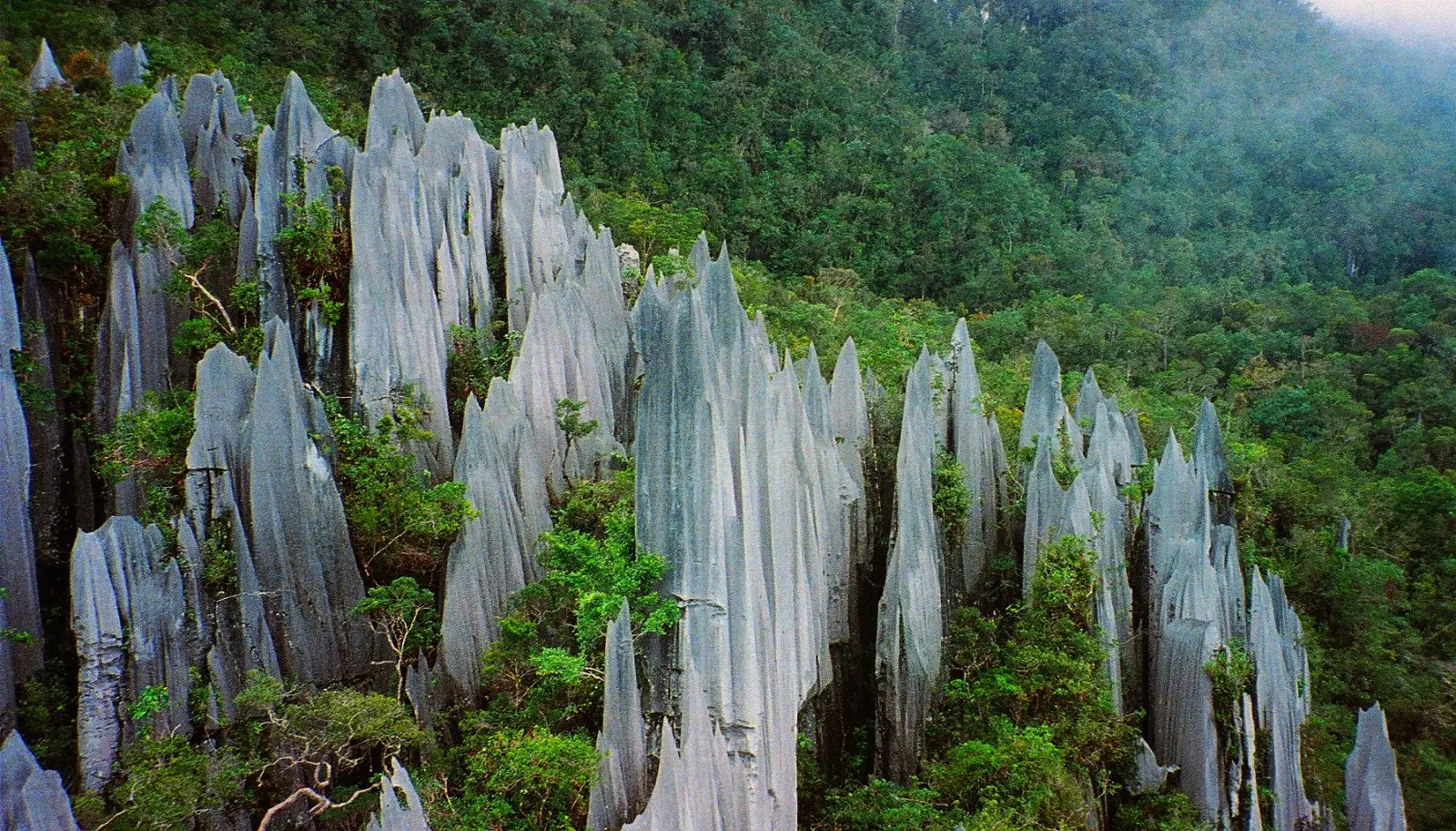
The Gunung Mulu National Park in Sarawak, is part of a UNESCO World Heritage area and has one of the most expansive cave systems in the world. The park is also home to world-renowned cave systems, including the Sarawak Chamber, measuring over 154,000 square metres, is 610m long and 80m high, making it the world’s largest cave chamber by surface area.
The park covers over 52,000 hectares, encompassing three spectacular mountains. Mulu’s biodiversity features over 2,000 plant species, including rare orchids plus carnivorous pitcher plants, alongside a diverse range of fauna.
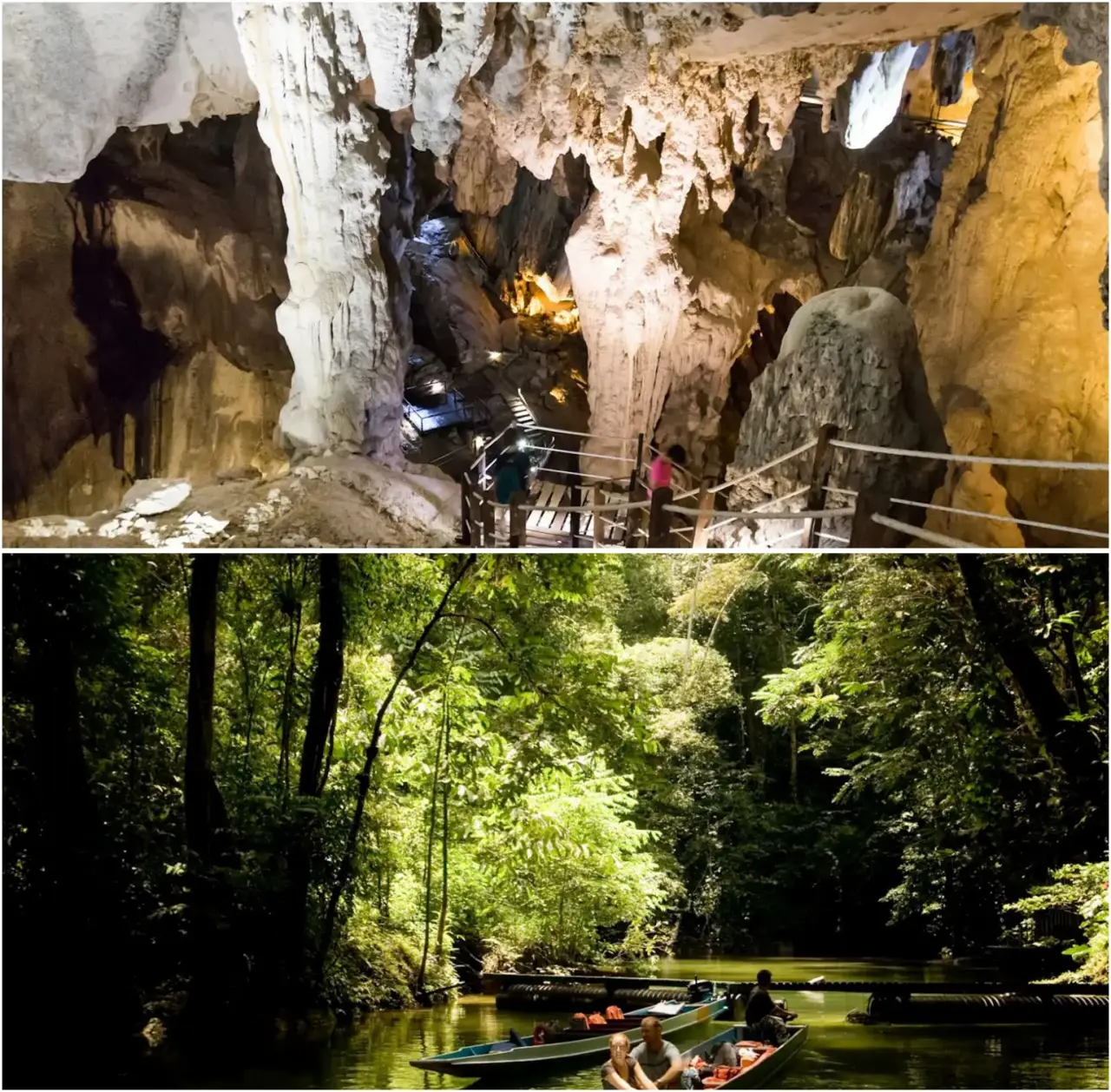
The park’s unique limestone caves are filled with stalactites and stalagmites, some of which date back over 1.5 million years.
Visitors can choose from three-hour walking tours and night walks in the surrounding jungle to overnight stays in the chamber (good level of fitness and some caving experience is essential), take a boat trip down the Melinau River or hike through beautiful woods.
Proboscis Monkeys Live In Bako National Park
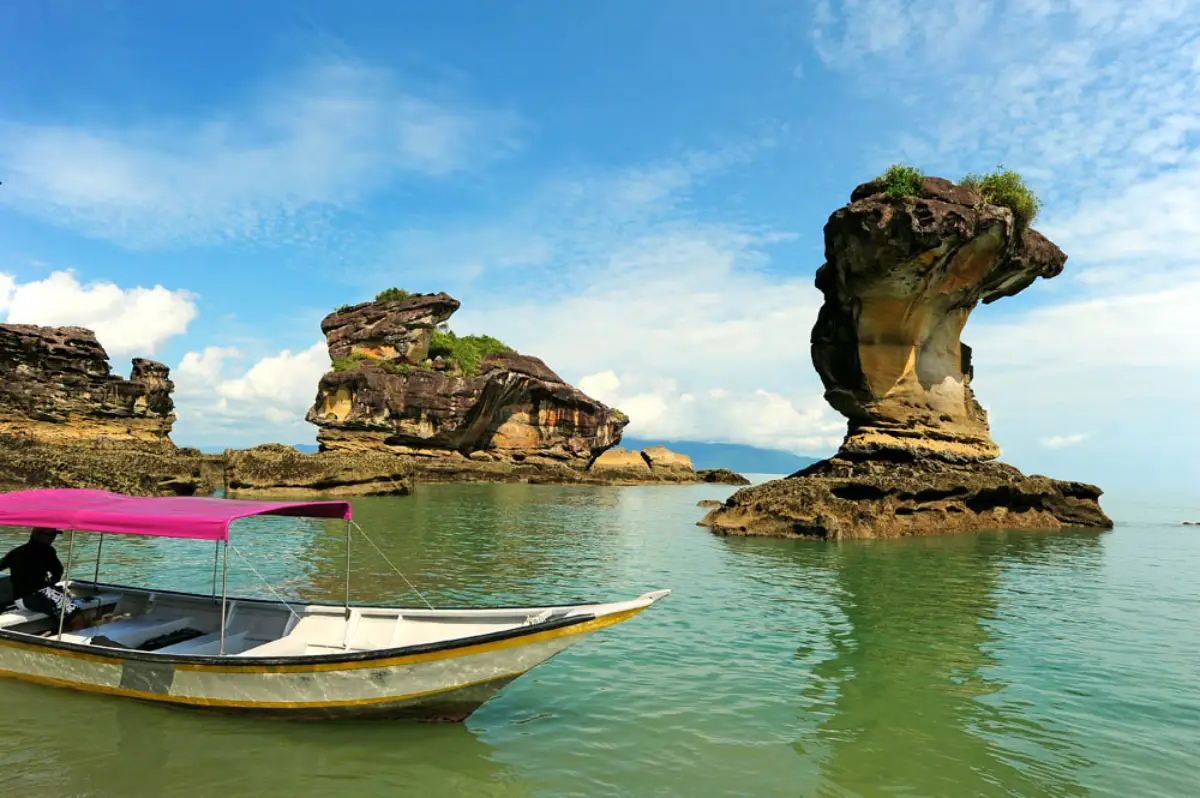
Established in 1957, Bako National Park is Sarawak’s oldest, also the smallest national park, covering just 27 square kilometres. Despite its size, it has a wide range of habitats, including mangrove swamps, dipterocarp forests, peat swamps and coastal cliffs, acting as a microcosm of Borneo’s natural legacy.
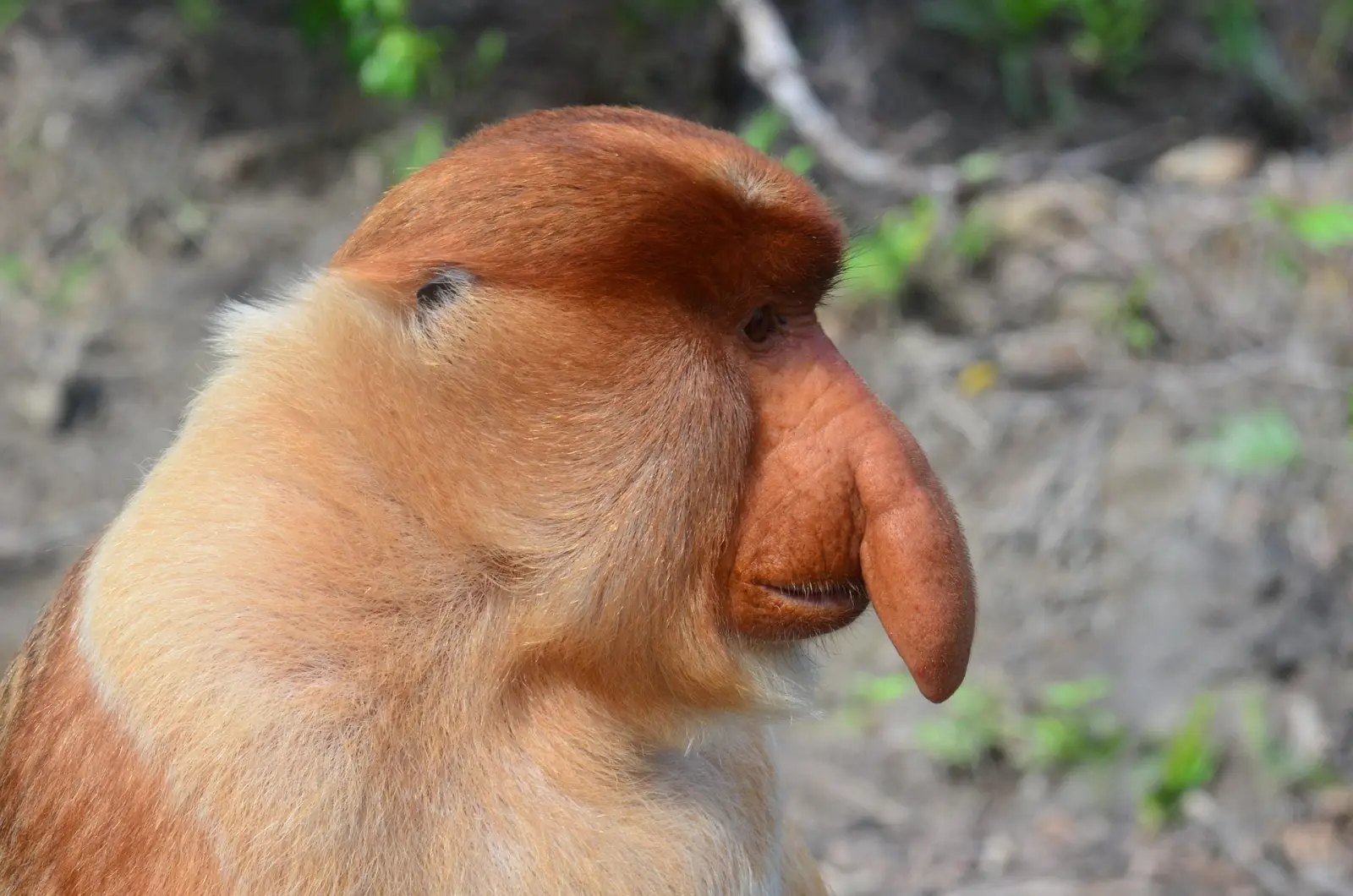
The park is known for its peculiar proboscis monkeys, which are unique to Borneo. It also has long-tailed macaques, bearded pigs, silvered langurs and over 190 bird species here.
Serene Waterfalls at Kubah National Park
Kubah National Park is easily accessible from Kuching (Sarawak) and makes for an enjoyable day trip with its waterfalls, streams, bathing pools and jungle trails. It is also known to have the largest selection of palms and orchids in Borneo. Bird watchers will love it here as there are extensive bird species to spot.