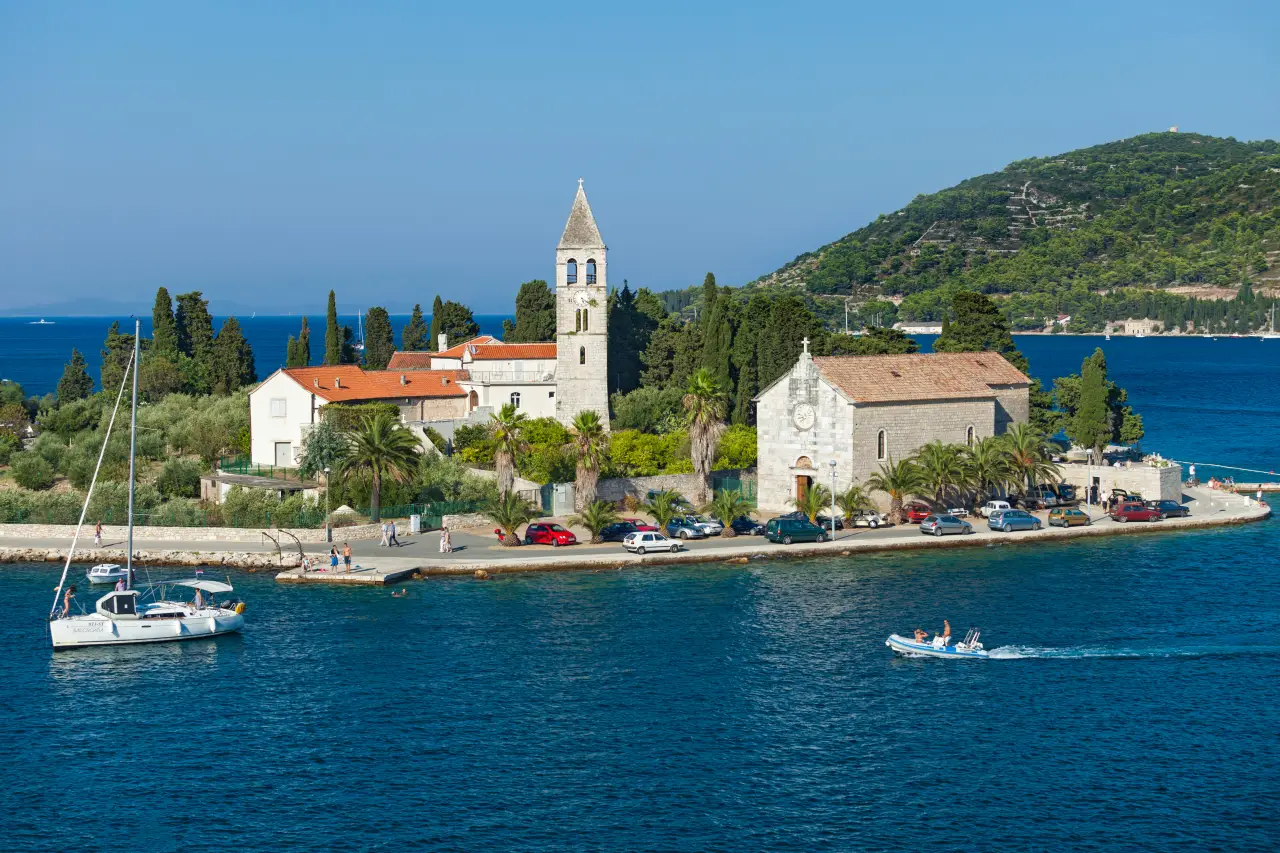
Vis, the far-flung Croatian island in the Adriatic Sea, isn’t the place for cruise-ship crowds or quick photo stops.
It’s for travelers who want to slow down and connect—whether that means kayaking to a cove so quiet you can hear the water lap against the rocks, sampling homemade Vugava wine in a family vineyard, or wandering Komiža’s stone-paved lanes where fishing boats still bob in the harbor.
This is the essence of what I call “traveling through the back door”—experiencing a place not as a checklist, but as a gentle rhythm that stays with you long after you’ve left.
A Hidden Past That Preserved the Present
For decades, Vis was off-limits to most travelers. During the Yugoslav era, the island served as a military base, its tunnels and submarine bunkers tucked deep into the limestone cliffs.
It wasn’t until 1989 that Vis reopened to visitors, which meant it escaped much of the development that transformed nearby islands like Hvar.
Today, that hidden past is one of Vis’s greatest gifts: sleepy fishing villages, untouched vineyards, and rugged coves that feel like a secret even when you’re standing right in them.
Wandering Through Komiža and Vis Town
Life on the island moves at a gentler pace, and nowhere is this more clear than in Komiža, the charming fishing village on the western side. Here, you can stroll narrow stone alleys that wind past homes built centuries ago, stop for a coffee on the harbor promenade, or taste Komiška pogača, a savory pastry stuffed with onions and anchovies that reflects the town’s deep maritime traditions.
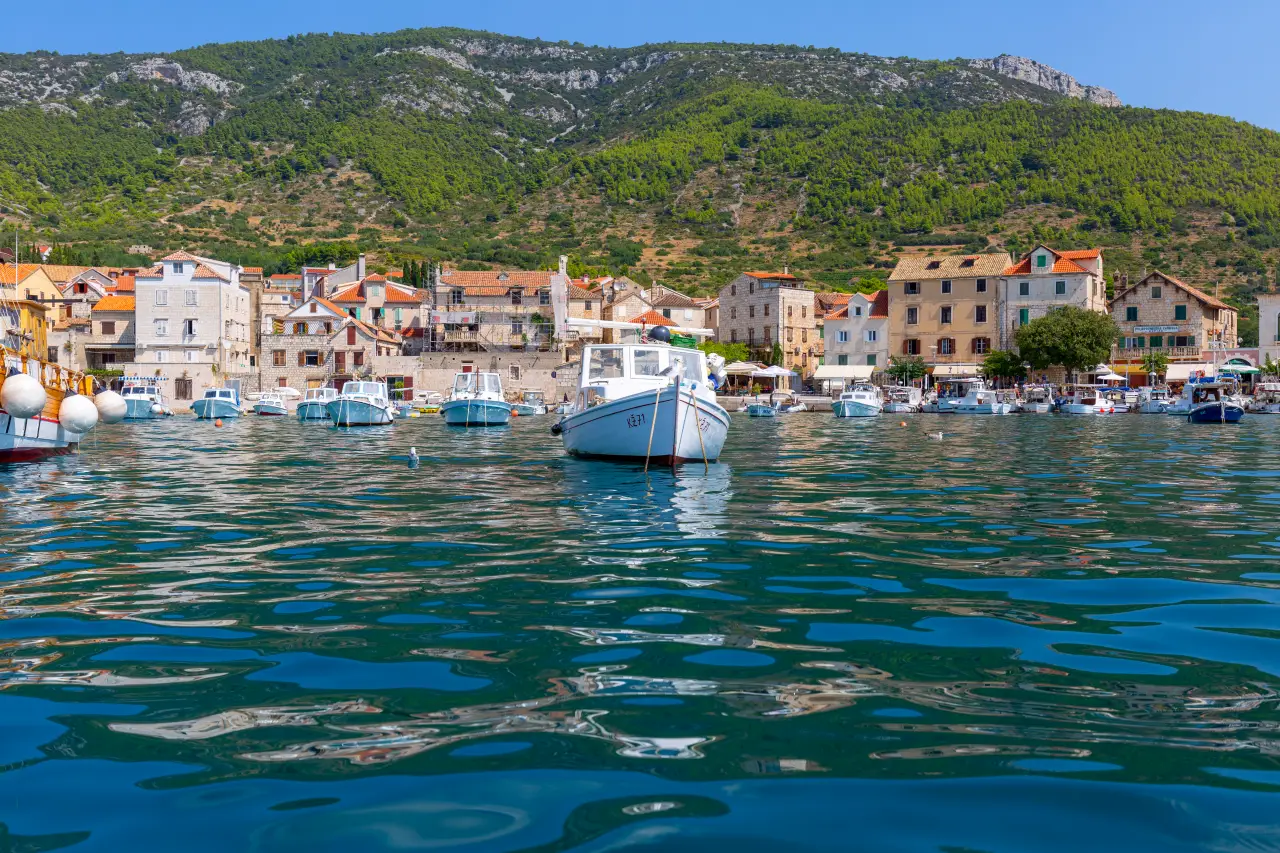
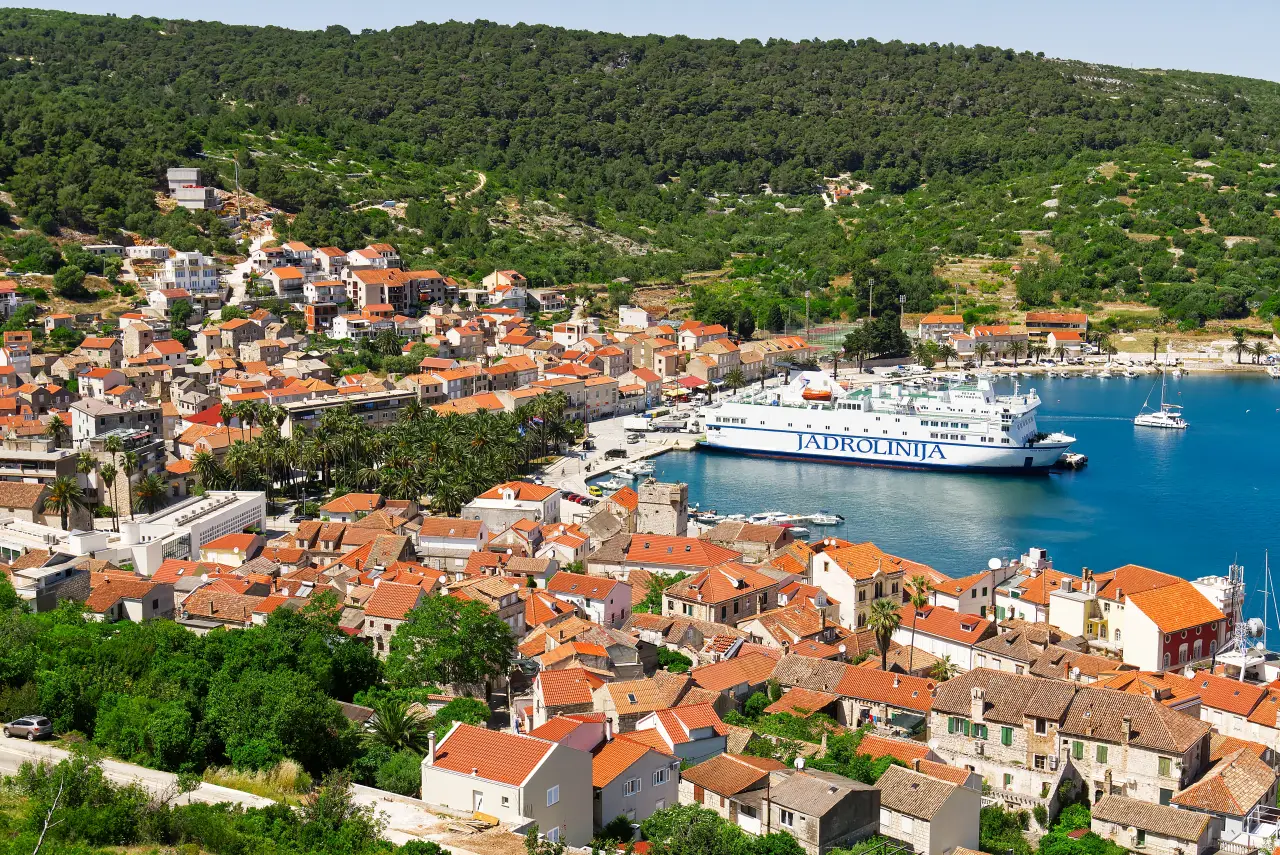
Across the island, Vis Town offers its own slower pleasures. Venetian-era buildings frame a graceful harbor, Roman ruins peek out near the waterfront, and outdoor cafés invite you to linger over a glass of local Plavac Mali wine as the sun dips behind the hills.
The Call of the Adriatic
Vis’s greatest treasures, though, may be its natural ones. The island is surrounded by small bays and coves, many reachable only by boat or a steep footpath. Stiniva Bay, with its dramatic rock walls opening into turquoise water, is the kind of place you’ll remember forever. Kayaking here in the early morning, before the tour boats arrive, gives you a sense of discovery that feels rare in Europe today.
Other beaches—like Srebrna, Milna, and Velo Stine—offer quieter alternatives. These aren’t the wide sandy stretches you might find elsewhere, but pebbled coves where the Adriatic is glass-clear, inviting you to swim, float, and simply exist.
A Taste of Island Life
One of the joys of Vis is that food and wine aren’t just something to consume—they’re woven into the island’s identity. Locals are proud of their vineyards, which produce the crisp white Vugava and the bold red Plavac Mali. Many small family-run wineries welcome visitors for tastings, where the experience is less about fancy presentation and more about conversation, tradition, and a heartfelt pour.
Meals on Vis are equally grounded in local life. Grilled fish caught that morning, octopus baked “under the bell,” or a plate of homemade pasta with fresh herbs—it’s simple, seasonal, and deeply satisfying. Eating here feels less like dining out and more like being welcomed into someone’s home.
Layers of History, Quietly Waiting
For those who like their travel with a side of history, Vis offers plenty of quiet surprises. Ancient Greek settlers planted vineyards here, the Romans built baths and villas, and the Venetians left their mark in architecture and fortifications. Even the twentieth-century tunnels and bunkers—once secret military sites—now stand open to curious visitors, a reminder of how isolation helped shape the island’s character.
Exploring these sites isn’t about rushing from one monument to the next. It’s about pausing, learning, and appreciating how centuries of history have quietly settled into the rhythm of daily life.
Why Vis Teaches You to Slow Down
What makes Vis special isn’t a single attraction. It’s the way the island encourages you to step back from your schedule, put away the checklist, and simply be. It might be a morning paddleboard session in Ruda Bay, an afternoon nap beneath olive trees, or an evening wandering the harbor as children play soccer in the square.
On Vis, the best itinerary is often no itinerary at all. The island’s gentle pace invites you to reconnect with the simple pleasures of travel—good food, welcoming people, and moments that unfold naturally when you’re not in a hurry.
A Lasting Impression
As the ferry pulls away, you may not feel like you’ve “done” a lot on Vis. And that’s the point. Instead of checking boxes, you’ve tasted wine made from vines first planted by the Greeks, floated in waters so clear they look unreal, and shared quiet conversations with locals who still live by the rhythm of the sea.
Vis doesn’t shout for your attention—it whispers. And if you take the time to listen, you’ll find its gentle charms are the kind that stay with you long after you’ve gone.
Top Photo Credit: paul prescott / Shutterstock.com