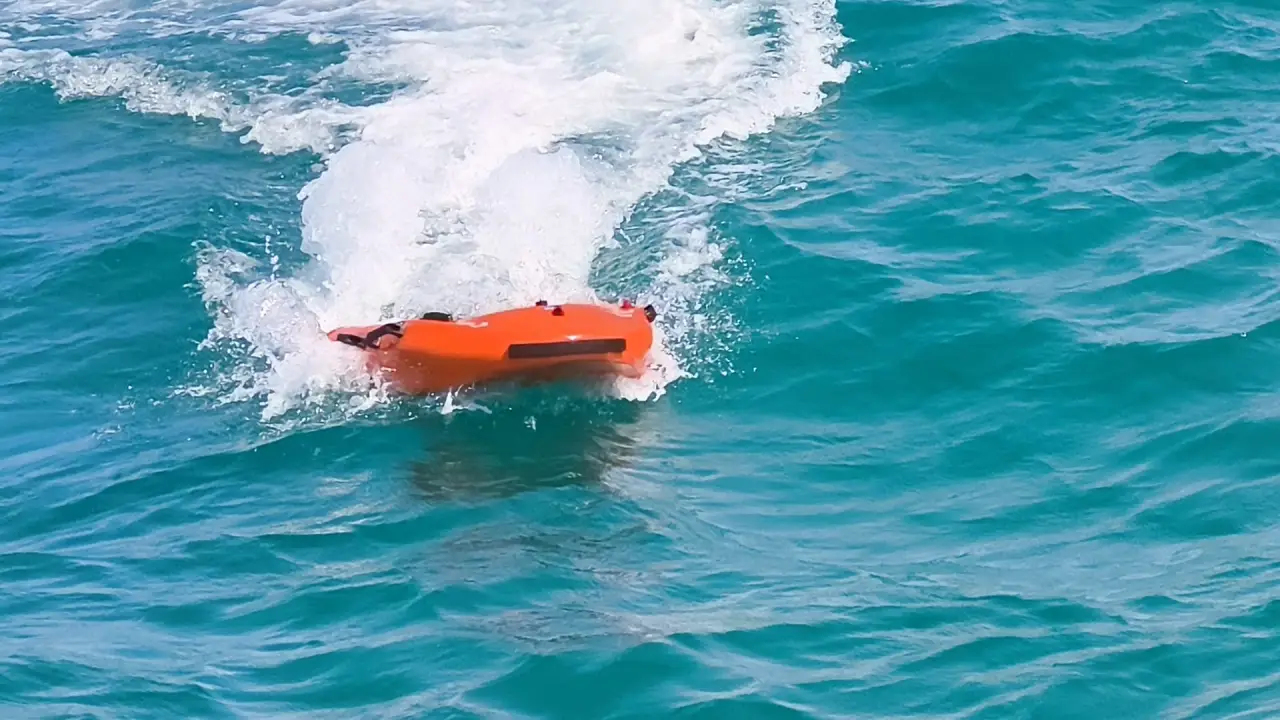
Remote-controlled lifeguard device “Fasty” is being deployed across a growing number of Turkish hotels and public beaches as part of efforts to reduce drowning risks.
The device, produced in Antalya by Maren Robotics, is now in use at several major resorts following a directive by the Antalya Governor’s Office to strengthen coastal safety.
Fasty has recently been adopted by Şah Inn Paradise, Mirage Park Resort, NG Hotels and Corendon Hotels, joining earlier users such as Voyage Sorgun Hotels, Gloria Hotels, Gypsophila Club Marine, Hapimag Bodrum and Susesi Hotels.
The system is also operating on public beaches managed by Antalya Metropolitan Municipality, while other hotels have expressed interest in adding the device to their safety measures.
Technology Developed in Antalya
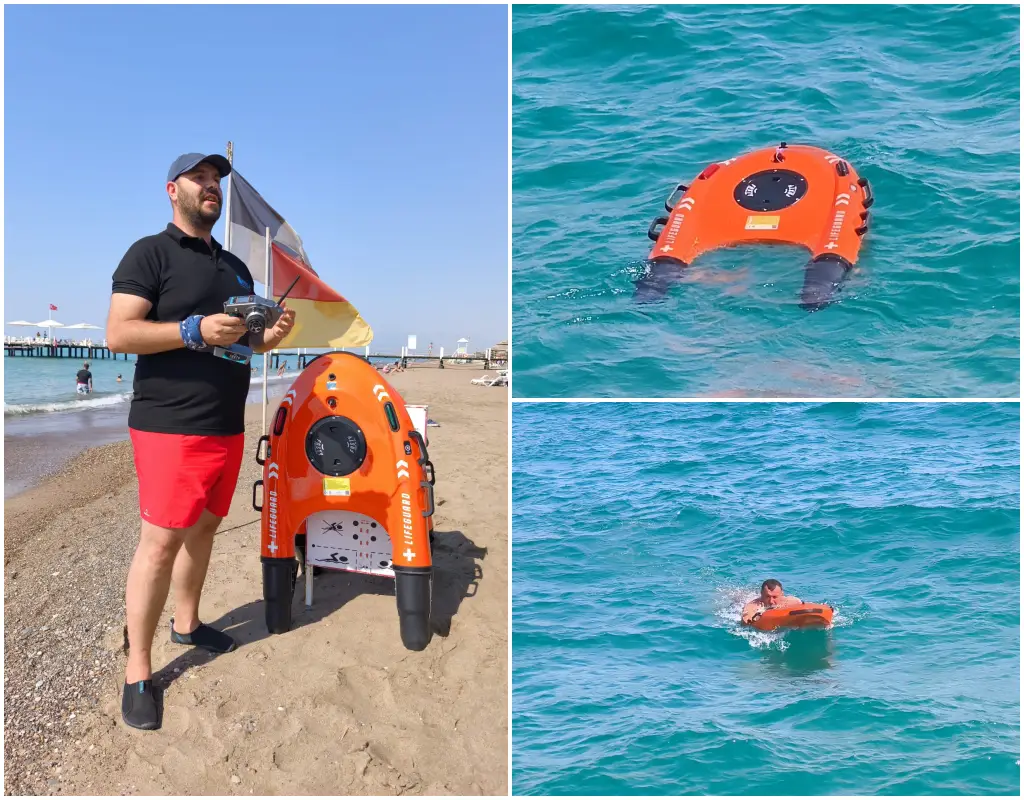
The Fasty device is manufactured locally in Antalya. It is guided by remote control and designed for rapid maneuvers in the water. Its speed and ease of operation allow lifeguards to reach swimmers in distress within a short time frame. According to Maren Robotics, these features provide vital assistance to lifeguard teams while offering hotel guests and beachgoers an additional layer of protection.
By using Fasty, resorts aim to reduce the response time in emergencies and ensure that drowning incidents can be addressed before they become fatal. The device supports lifeguards rather than replacing them, enabling coordinated rescues on busy shorelines.
Regulatory Push for Enhanced Safety
Interest in the system increased after the Antalya Governor’s Office issued a directive on June 5, 2025, titled “Prevention of Drowning Incidents.” The regulation outlined the safety measures required on beaches serving millions of local and foreign tourists each summer. It emphasized the necessity of adopting new technologies, including remote-controlled rescue devices, and mandated that lifeguard teams be trained in their proper use.
Hotels complying with the directive have integrated Fasty into their beach operations as a proactive measure. Operators said the device has become an indispensable part of their safety strategy, reflecting broader efforts across the tourism sector to improve guest security at coastal resorts.
Growing Role in Tourism Safety
The expansion of Fasty across resorts underscores how technology is shaping the safety infrastructure of Turkey’s tourism industry. Antalya, one of the country’s leading destinations, has taken the lead in encouraging deployment of the system. The growing number of hotels and municipalities adopting the device indicates that it is becoming a standard in coastal management.
Supporters say the rollout provides reassurance for visitors who may be concerned about water safety. With more hotels adopting Fasty, the risk of drowning incidents is expected to decrease, giving tourists added confidence while enjoying the sea. Officials emphasize that such measures not only protect lives but also contribute to the region’s reputation as a safe and reliable travel destination.
Industry observers note that the swift uptake of Fasty demonstrates the tourism sector’s readiness to adapt to new safety regulations and invest in preventive solutions. As summer continues, the device is likely to appear on more beaches, making it a central feature of Turkey’s coastal safety strategy.