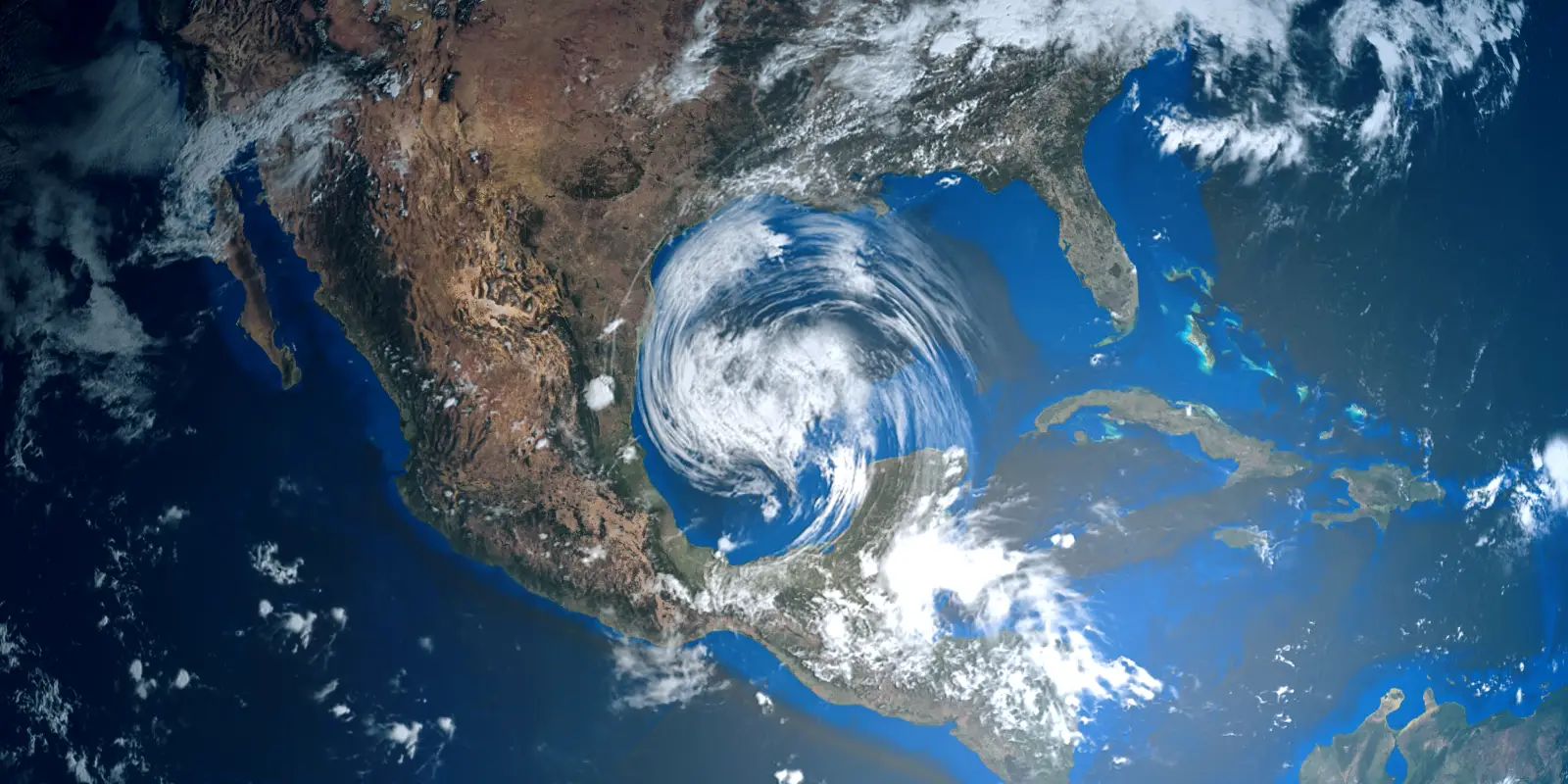
A strengthening coastal storm is set to impact the eastern United States this weekend, bringing days of heavy rain, high winds, and coastal flooding along the Atlantic seaboard from Florida to New England.
The system, forecast to develop between Friday night and Sunday, is expected to disrupt travel and threaten coastal communities already recovering from recent damage in the Outer Banks. Although the system will not qualify as a named tropical storm, meteorologists warn it will produce tropical storm–like impacts.
The storm’s arrival coincides with The Weather Channel’s release of its 2025–26 winter storm names, highlighting the seasonal transition toward more frequent severe weather. The new list, beginning with the name Alston, marks the 14th year of The Weather Channel’s naming program. As the East Coast braces for the latest round of coastal hazards, forecasters are emphasizing the importance of awareness and preparation ahead of the winter storm season.
Storm Conditions and Expected Impacts
The developing low-pressure system is expected to form late Friday night between Florida and the Bahamas before tracking northward along the coast. According to forecasts, the system will be energized by an approaching upper-level trough, allowing it to strengthen rapidly as it parallels the Atlantic coastline. The National Weather Service in Jacksonville warned of “numerous roads” likely to be closed and said “low-lying property including homes, businesses, and some critical infrastructure may be inundated.”
Onshore winds of 30 to 40 mph will begin affecting coastal Georgia, northeast Florida, and the Carolinas by late Friday, piling water against the shore and creating a storm surge of up to several feet. Large waves of 5 to 7 feet are expected, leading to beach erosion and pockets of flooding along low-lying areas. The combination of high surf and persistent winds could lead to hazardous conditions for marine travel and ferry routes.
By Saturday night, the storm is projected to bring gusts of 45 to 55 mph to the Delmarva Peninsula, New Jersey, and Long Island, with some gusts approaching 65 mph offshore near New York City. Cape Cod and nearby islands may also experience winds exceeding 55 mph. The system’s timing, occurring while trees remain fully leafed in southern New England, increases the risk of downed branches and power outages. Meteorologists say it is unusually early in the season for a “nor’easter”-type system to reach that far north.
Flooding and Air Travel Disruptions
Coastal flooding warnings are being considered for the Outer Banks, where eight abandoned homes collapsed into the ocean between September 30 and October 1 due to previous surf damage. With more rough seas forecast, local officials fear additional structural losses. Heavy rain will accompany the storm, with forecasts calling for 2 to 4 inches within 50 miles of the coastline from North Carolina to New York. Totals will decrease sharply inland, depending on the storm’s final track.
Washington D.C. and Boston are expected to experience uneven rainfall, with heavier totals east of each city and lighter accumulations to the west. The unsettled conditions could cause cascading flight delays, as strong crosswinds are expected to affect runways across several major airports, including those in New York, Philadelphia, and Washington. The timing coincides with an ongoing federal government shutdown, creating additional challenges for air traffic operations and emergency response agencies.
Despite the storm’s intensity, it will not be named. Meteorologists say that while the system may exhibit some tropical or subtropical characteristics, its primary energy source will come from the jet stream—a river of fast-moving air in the upper atmosphere—rather than from warm ocean waters. This structure classifies it as a nontropical system, likely evolving into what experts call a “warm seclusion,” in which a pocket of warm air becomes isolated near the storm’s center but remains connected to frontal boundaries.
Winter Storm Names Announced for 2025–26
As the coastal system develops, The Weather Channel has published its list of winter storm names for the upcoming season. The 2025–26 roster marks the 14th consecutive year of named winter storms, beginning with Alston and continuing alphabetically. The naming program, first introduced during the 2012–13 season, is designed to improve public awareness and safety by distinguishing significant snow and ice events expected to affect multiple regions.
The Weather Channel said that a winter storm typically earns a name when “significant snow and/or ice” threatens widespread impact. The network cited previous examples such as 2021’s Winter Storm Uri, which caused disruptions across the western, southern, and northeastern United States. The naming practice mirrors the approach used for tropical cyclones since the mid-20th century, offering a clearer communication strategy for emergency services and the traveling public.
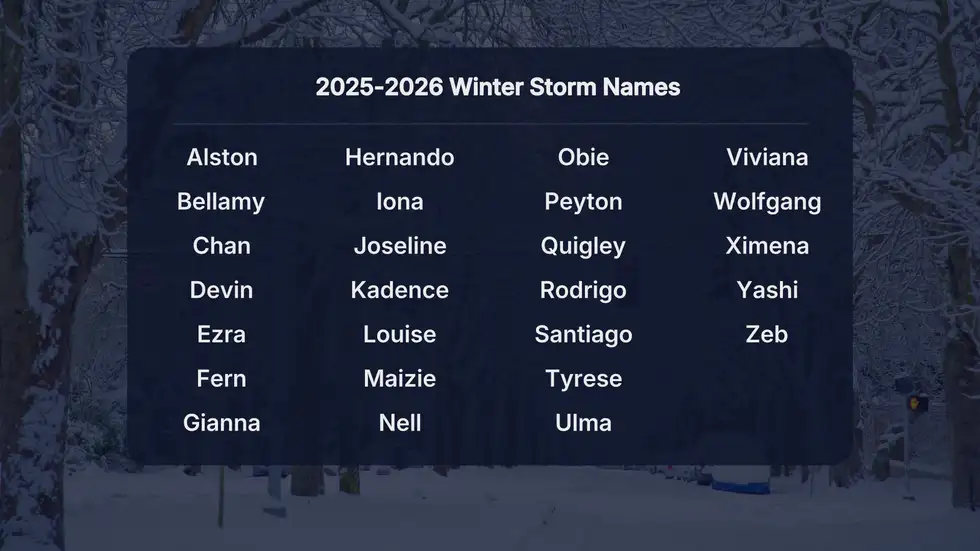
Officials anticipate that several of this season’s storms may be named days in advance if forecasts show strong agreement on their expected impact. By identifying these systems early, meteorologists aim to provide travelers and local authorities more time to prepare for dangerous road conditions, possible power outages, and flight cancellations. The announcement comes as the East Coast braces for this weekend’s storm, underscoring the region’s growing vulnerability to overlapping weather threats as the transition from fall to winter begins.
Travel experts advise that coastal travelers monitor official advisories closely and reconsider nonessential trips through affected areas until early next week. With the Atlantic still warm and atmospheric patterns shifting, forecasters say the combination of late-season storms and the onset of winter weather could make October travel along the U.S. East Coast particularly unpredictable.
Top Photo Credit: Limbitech / Shutterstock.com