Malaysia’s government announced that a deep-sea search for missing Malaysia Airlines Flight MH370 will restart on December 30, 2025.
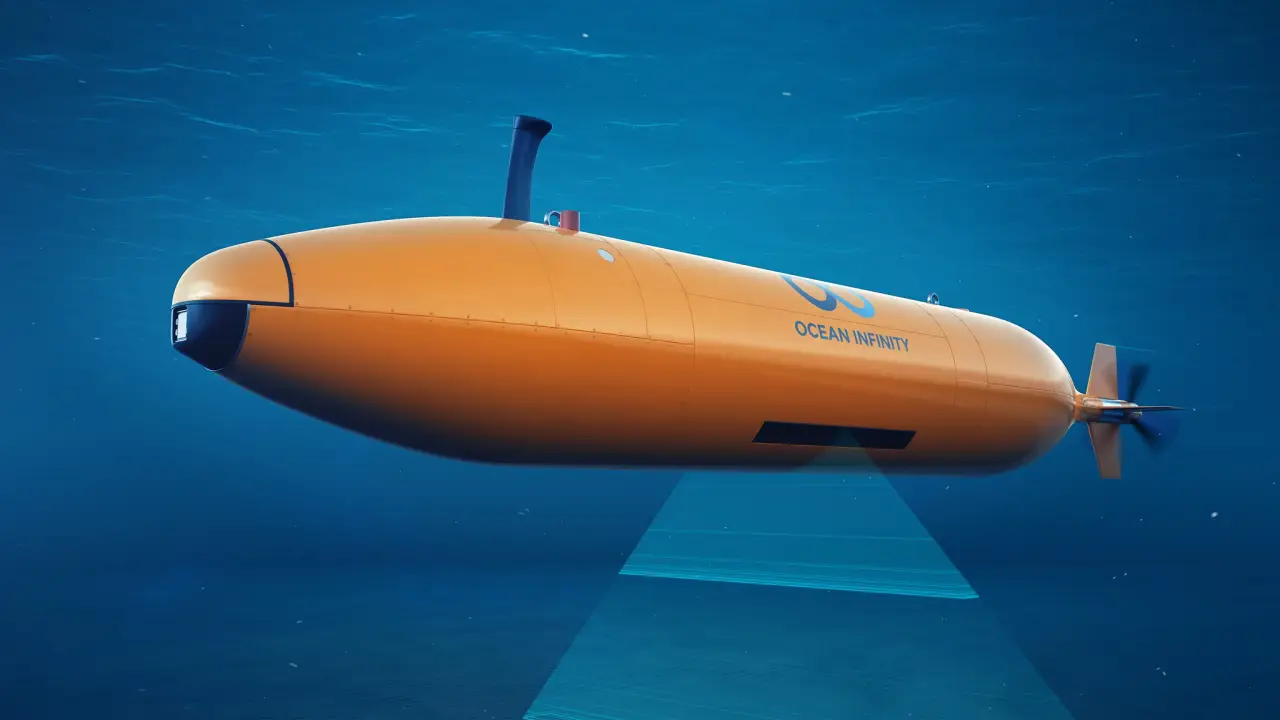
The operation will be led by marine-robotics firm Ocean Infinity under a “no-find, no-fee” contract and will cover a 15,000 square-kilometre area in the southern Indian Ocean over a 55-day period. The company will be paid up to US$70 million, but only if significant wreckage is recovered.
The renewed search marks the first major seabed effort since previous operations ended without success. Authorities identified the designated search zone as the area “with the highest probability” of locating the aircraft, which vanished in 2014 while en route from Kuala Lumpur to Beijing with 239 people on board.
New Search Plan and What It Means
The Malaysian Ministry of Transport confirmed the December 30 restart date in a statement on December 3, 2025. Ocean Infinity, the UK- and US-based marine exploration firm, will resume the seabed operation, employing advanced underwater search technology in a focused 15,000 km² sector of the southern Indian Ocean. The mission will span 55 days, with intermittent search activity depending on conditions.
The “no-find, no-fee” financial model remains in place. Ocean Infinity stands to receive US$70 million only if it locates substantive wreckage from MH370. Previous searches—undertaken by multinational teams and by Ocean Infinity in 2018—covered much larger swathes of ocean but failed to produce conclusive results. Despite occasional debris washing ashore, the main wreckage and flight recorders have never been found.
Background and Stakes
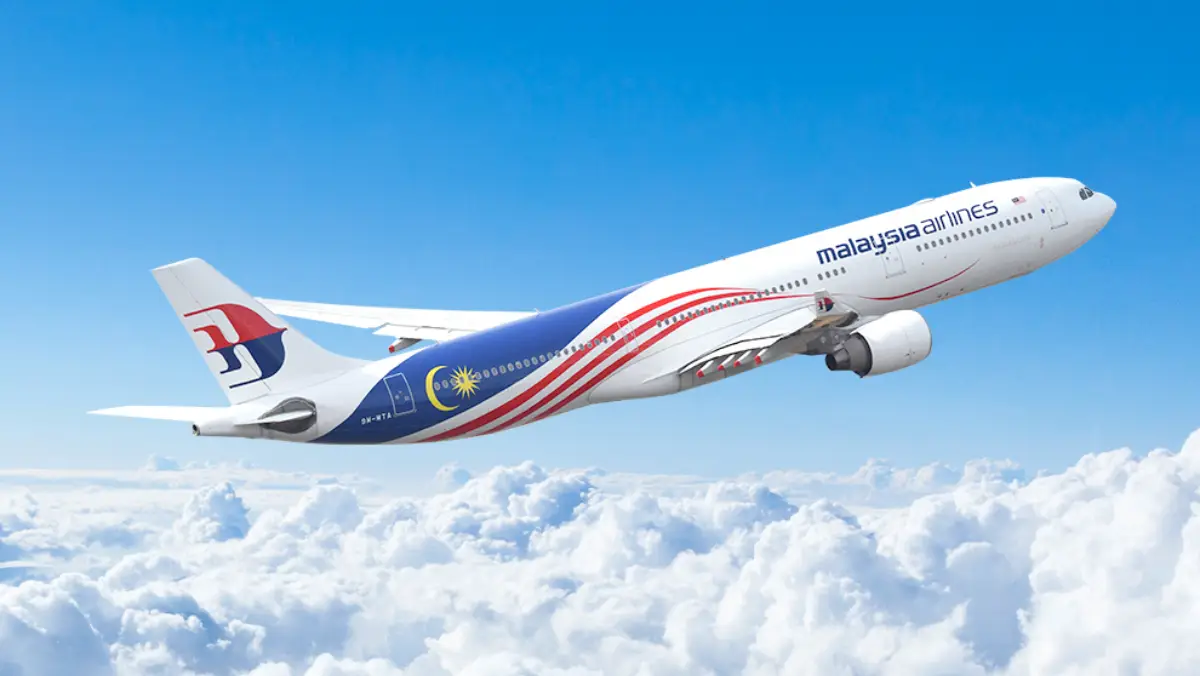
Flight MH370 disappeared on March 8, 2014. The Boeing 777 departed Kuala Lumpur bound for Beijing but vanished from radar less than an hour after takeoff. Aboard were 239 individuals, including passengers and crew. Over the years, it has become one of aviation’s most enduring mysteries.
In 2015 and subsequent years, fragments of debris confirmed to be from MH370 washed ashore on islands in the western Indian Ocean, including a wing piece found at Réunion. Those discoveries helped narrow down possible crash zones but failed to lead to the main wreckage. Large-scale searches—described as the most extensive in aviation history—covered tens of thousands of square kilometres without success. In 2017 the official search was suspended; Ocean Infinity’s privately funded 2018 attempt also yielded no trace of the plane.
The renewed 2025 operation reflects Malaysia’s commitment to finally resolving the disappearance and providing closure to the families of the 239 people onboard. Whether this focused, technologically advanced mission in a high-probability zone will succeed remains uncertain. But the restart of deep-sea efforts more than a decade after the disappearance marks a significant new chapter in the saga of MH370.