Ever been halfway through a family trip and realized everyone’s either cranky, bored, or about to melt down in public? The car snacks ran out, the plan was too packed, and what looked like “quality time” is now just tired faces and forced smiles. It happens to more families than they’d like to admit. Even in stunning places like Cades Cove, the experience only sticks if the right choices are made early. In this blog, we will share the travel decisions that actually matter when kids are part of the picture—and how small adjustments lead to smoother, happier days.
Know What Slows the Trip Down in a Good Way
Trips with kids require a different pace. Rushing doesn’t just lead to stress—it cuts out the moments that actually make travel worth doing in the first place. Parents often make the mistake of trying to match the momentum of their pre-kid travel days, cramming too many stops into a day or expecting kids to move from place to place without downtime.
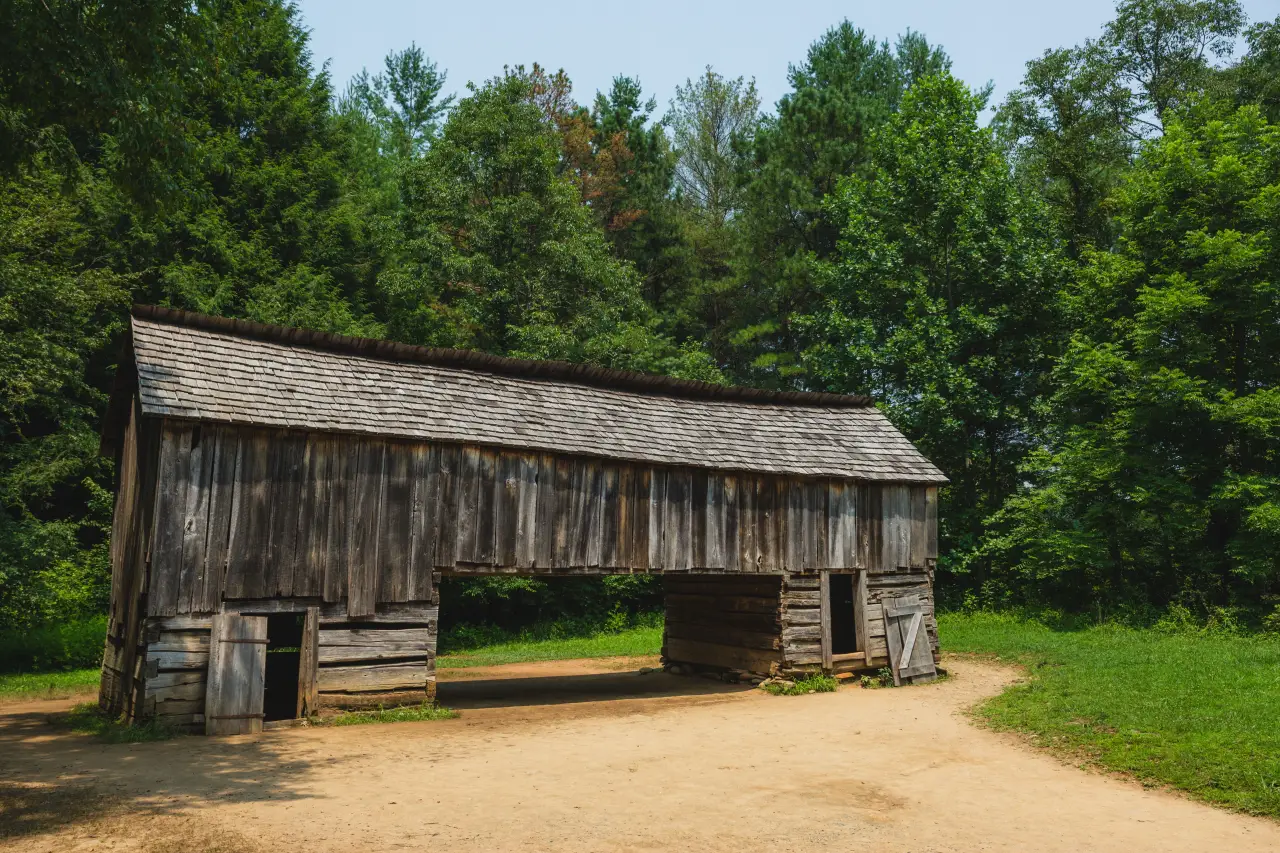
Instead of forcing speed, look for activities that naturally balance movement and stillness. The Cades Cove scenic loop is one of those rare places that gets it right without needing to be marketed for families. You’re driving through open space, watching for deer, spotting cabins and churches from another era. Kids can look out the window, stretch their legs at any of the pull-offs, and ask a hundred questions without anyone rushing them along.
This kind of slow, scenic experience becomes even more memorable when it’s part of a bigger stay that supports real rest. It just makes sense that you’ll want to enjoy spending quality time with your family on vacation, so why not make the experience extra special by staying in one of Heritage Cabin Rentals’ Smoky Mountain vacation homes? With everything from one to nine-bedroom log homes, chalets, condos, and cottages, there’s space for everyone—and more importantly, there’s a setup that fits your budget, your schedule, and your actual life.
Planning around how your family moves through a day—how long the kids can go before needing snacks, how much walking is too much, or when they just need a spot to crash—sets the tone for the whole trip. The right pace, more than the right destination, is what keeps everyone grounded and in good spirits.
Don’t Treat Entertainment Like a Side Note
Kids don’t care if something’s “highly rated” if it doesn’t grab them. What parents often overlook is that the trip doesn’t need to be packed with expensive outings or trendy stops. What matters is interaction. Can they touch something, climb on something, ask questions and get real answers?
The best family travel days happen when kids are too engaged to complain. It’s not about distraction. It’s about designing days that invite their curiosity. That means putting less pressure on picture-perfect moments and more energy into things that make noise, involve motion, or end with a snack.
Even down moments can be turned into something useful. Bringing along books or games that don’t involve screens helps smooth transitions, especially when there’s downtime between activities. Having backup options ready—like a small bag of surprises or activities for rainy days—can flip what would have been an off-day into a chance to recharge together.
Parents don’t need to play cruise director. But they do need to stay one step ahead of boredom. Just one or two well-timed, age-appropriate options each day is enough to keep things balanced.
Meal Planning Is Mood Management
You don’t need a gourmet setup. You need food that’s easy to get, easy to enjoy, and doesn’t derail the schedule. Skipping meals or assuming something “along the way” will work out usually ends in cranky car rides and rushed gas station choices. With kids, the rule is simple: hunger hits fast and moods turn faster.
Even the best family plans crumble if food is handled too casually. Know where you’ll eat before everyone’s starving. Keep flexible snacks in the car or backpack—something real, not just candy. And don’t overlook breakfast. Whether you eat in or out, that first meal sets the energy for everything that follows.
Another smart move is planning meals where the space itself keeps kids entertained. Anywhere with outdoor seating, casual layouts, or walkable areas nearby buys you time to actually enjoy your own meal. Avoiding long waits and dress codes is less about formality and more about preserving the mood.
You’ll remember the meals that kept things on track, not the ones that tried too hard to impress.
Keep Expectations Real—and Communicate Them
Kids don’t need a perfect trip. They just need to know what’s coming next. Surprises that feel magical to adults can often feel stressful to younger kids who just want to know what to expect. Small things like saying “we’re going to walk for about ten minutes,” or “after lunch we’ll have some quiet time,” give them mental anchors.
Trips go better when kids feel looped in. That doesn’t mean giving them final say on the itinerary. It means helping them feel like participants instead of luggage. A quick morning check-in, asking what they’re looking forward to or what they’d like to repeat, gives parents insight—and makes kids feel seen.
Expectations should also apply to adults. Accept that not every moment will go smoothly. Someone will spill something. Someone will cry for no clear reason. You will forget something obvious. The goal isn’t to avoid problems. It’s to build enough flexibility into the plan that they don’t break the day.
The more honest you are about what a “good” day really looks like, the more likely you are to recognize it when it happens.
Family travel isn’t just about squeezing into the right photo spot or checking boxes off a list. It’s about making choices—small ones—that match the way your family actually lives, moves, eats, and rests. When those pieces fall into place, the trip doesn’t just run smoother. It feels lighter. It feels like time well spent. And that’s what stays with you when you look back.
Photo Credit: Logan Bush / Shutterstock.com