Europe remains one of the world’s most visited regions, with international tourist arrivals continuing to climb through 2026.
As travelers cross borders more frequently and lean on their smartphones for everything from boarding passes to live navigation, staying connected has become a non-negotiable part of the trip. Increasingly, the answer isn’t a plastic SIM card swapped at the airport , it’s an eSIM activated before takeoff.
A quiet shift in how travelers stay connected
The eSIM (embedded SIM) is a small chip already built into most recent smartphones, tablets, and smartwatches. Instead of physically inserting a card, travelers download a digital profile and activate a local or regional plan in minutes. For tourism operators and frequent flyers, this represents a meaningful change: no roaming surprises on the first hotel bill, no scrambling to find a kiosk in an unfamiliar terminal, and no juggling of two physical cards on a multi-country itinerary.
According to recent industry data, more than 70% of newly sold smartphones in Europe now support eSIM technology, and adoption among international travelers is rising sharply year over year. Airlines, hotel chains, and online travel platforms have begun integrating eSIM activation into their booking flows, recognizing that seamless connectivity directly shapes the on-the-ground guest experience , and the reviews that follow.
Why Europe is a natural fit
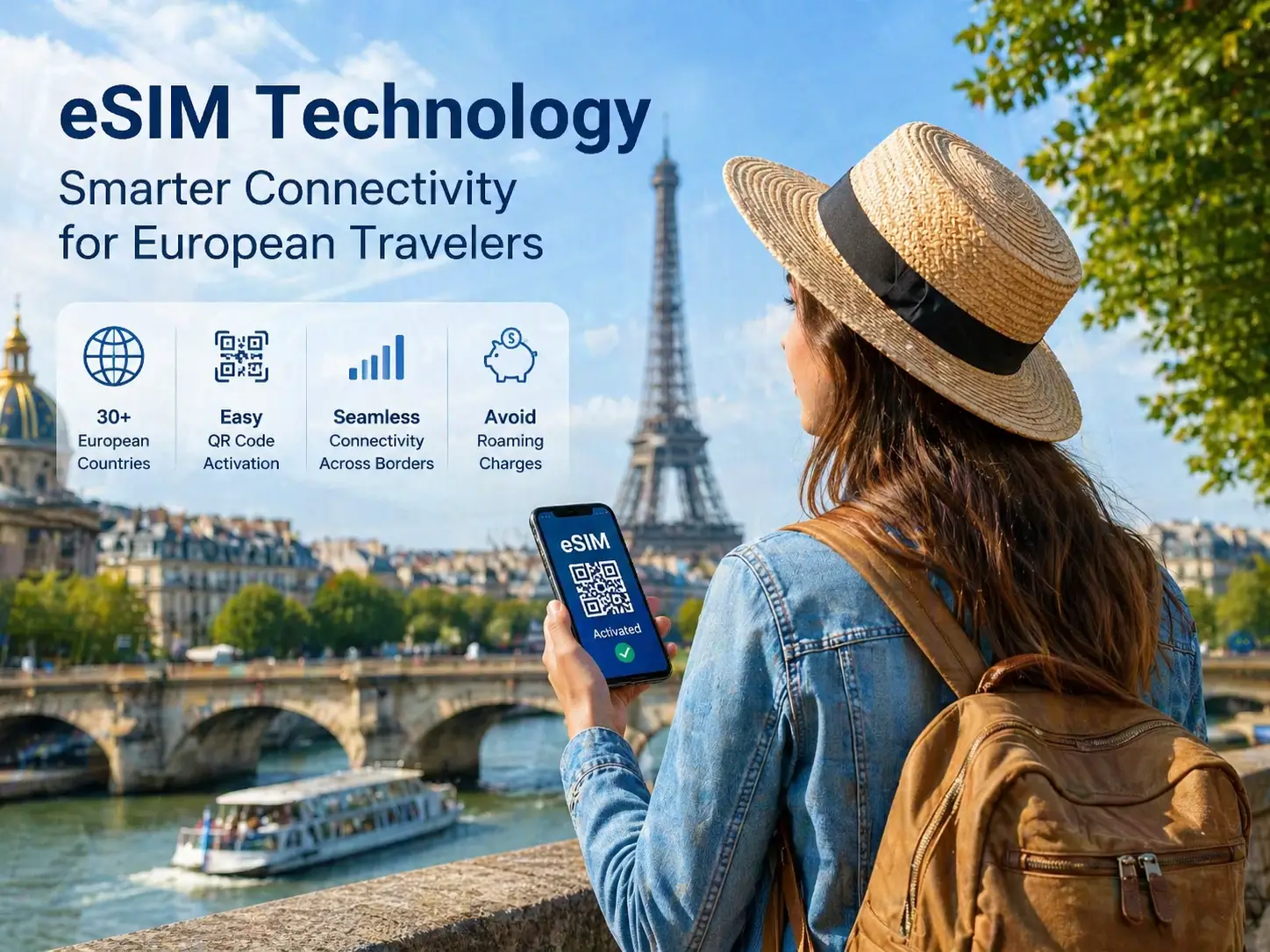
Europe’s size and density make it a particularly compelling market for the technology. A single trip can easily cross five or six countries, and travelers want one plan that follows them across the Schengen area without a second thought. A regional esim card such as the one offered by Orange Travel covers data needs across more than thirty European countries, with options tailored to short city breaks, longer holidays, or business travel. Activation happens through a simple QR code, and the original phone number stays untouched on the physical SIM , useful for receiving calls or two-factor authentication codes from home.
What it means for the industry
For destination marketing organizations, tour operators, and hospitality providers, the eSIM trend is more than a technical footnote. Connected travelers post, review, and recommend in real time; disconnected ones don’t. Affordable mobile data has quietly become part of the travel infrastructure , comparable in importance to airport Wi-Fi or contactless payment.
As Europe heads into another strong tourism season, expect to see eSIM offers featured more prominently in pre-departure communications, loyalty programs, and travel insurance bundles. For travelers, the message is simpler than ever: land, scan, connect , and forget the SIM tray entirely.