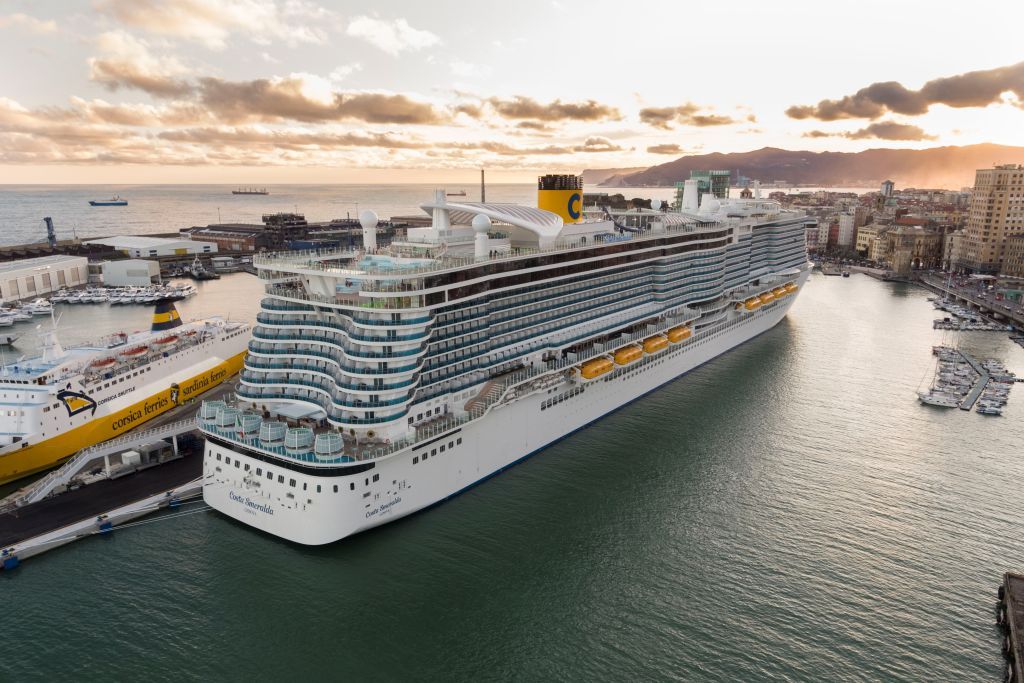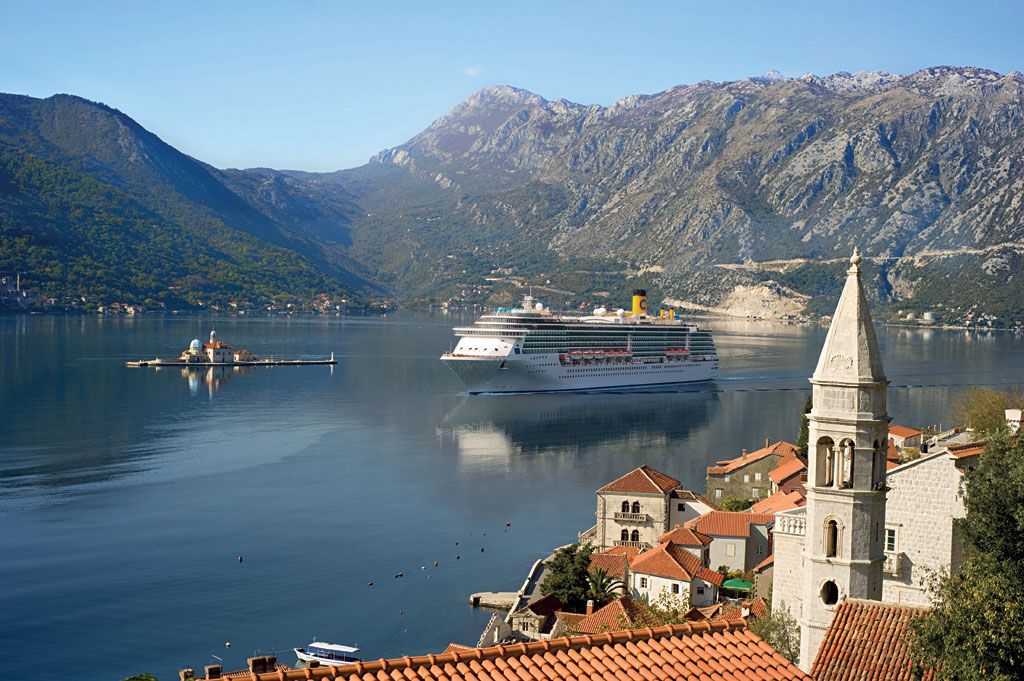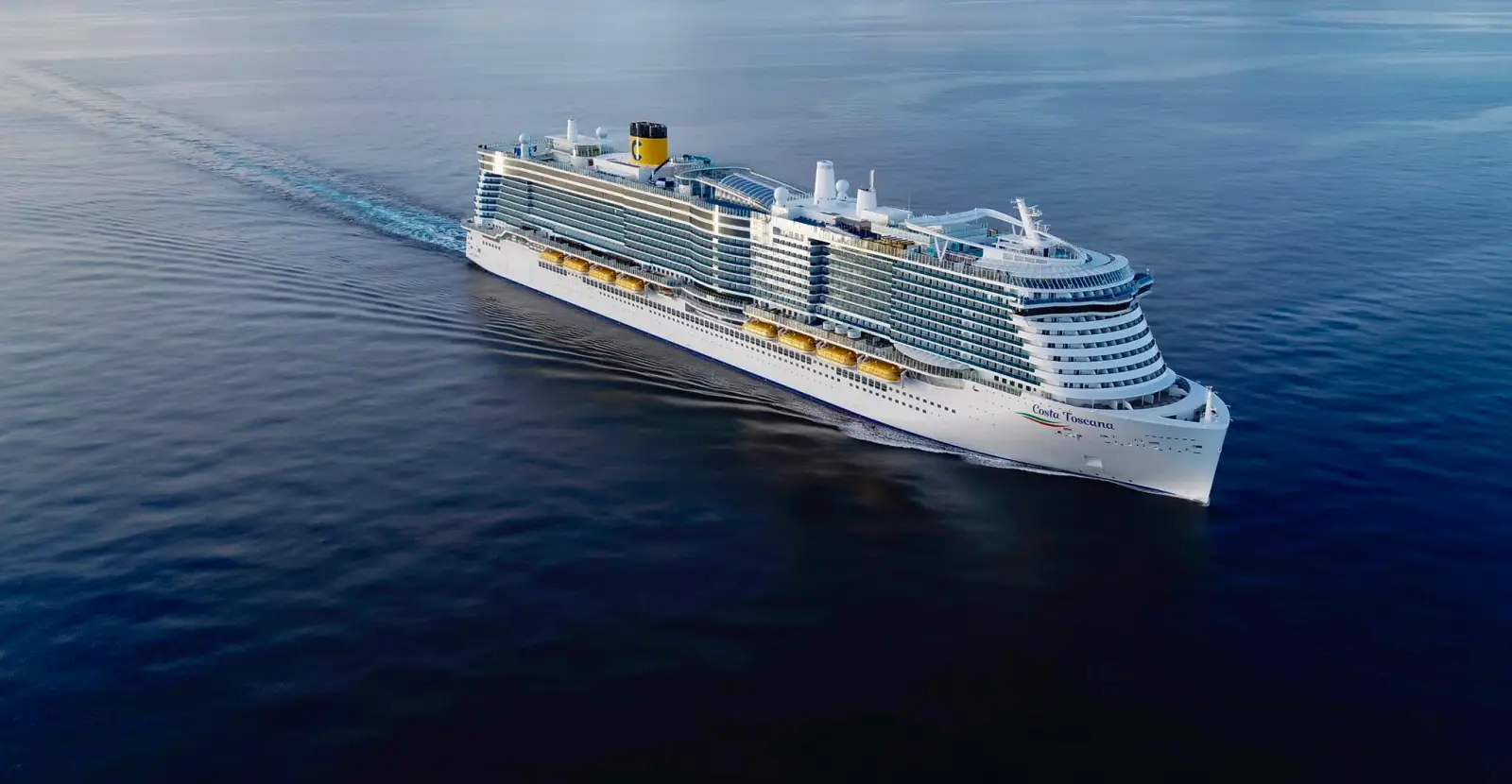
Costa Cruises has cancelled all Gulf cruise programmes that included the United Arab Emirates for the 2027-28 winter season, citing ongoing geopolitical developments in the Middle East. The company said the unstable security environment around the Gulf made medium and long-term route planning impossible.
The cruise line said passenger safety and the predictability of travel plans remained its top priorities. It also said it still saw the United Arab Emirates as important for cruise tourism and intended to resume sailings if conditions in the region returned to normal.
Alternative routes and destinations for the 2027-28 winter season are expected to be announced soon. Costa’s decision follows a similar cancellation by AIDA Cruises, which is part of the same group, while MSC Cruises has so far kept its Gulf plans unchanged.
Costa Cruises is one of the world’s largest cruise companies and its move highlights how the industry is adjusting to continuing risk in the Middle East. Safety and operational sustainability have become central to planning decisions as cruise operators reassess their regional programmes.
According to the company’s current schedule, MSC World Europa is still due to continue sailings from Dubai, Doha and Abu Dhabi between December 2027 and April 2028. That means some major cruise capacity remains on sale for the region, despite the latest cancellations by Costa and AIDA.
The decision is likely to affect travellers who had been considering Gulf itineraries linked to the UAE during the winter peak season. It also adds pressure on cruise lines to offer clear alternatives as they balance demand for the region with security concerns.
Costa did not give a detailed breakdown of which itineraries were affected, but it made clear the cancellation covered all Gulf cruise tours involving the UAE in that season. The company said it would continue to monitor developments and revisit plans if the situation improves.
The wider cruise sector has been reworking schedules across the Middle East as geopolitical uncertainty continues. For operators, the challenge is no longer only whether ships can sail, but whether routes can be planned reliably far enough ahead for passengers and partners.