Demand for holidays in Russia’s Sochi resort region has fallen below expectations, with tour operators and hotel owners saying bookings have shifted towards Türkiye, Egypt and Abkhazia.
The decline comes as high hotel prices, airport restrictions and a fuel crisis that has discouraged visitors from driving into the area have weighed on tourism. Industry figures said occupancy improved until April, but bookings dropped sharply from May.
Rosyugkurort chief executive Valery Sychev said autumn bookings were still under way and were performing well, but added that most properties were struggling. He said occupancy across the city stood at about 30% to 40% and that excessive prices had discouraged many travellers from choosing the resort in the first place.
“Bookings are shifting to alternative destinations, especially Türkiye and Egypt,” said Valery Sychev, chief executive of Rosyugkurort.
Sochi’s weaker performance comes during a key summer trading period for Russian holiday destinations. Local businesses had hoped the Black Sea resort would benefit from domestic travel demand, but operators say that has not materialised at the level they expected.
Hotel owners in the region have been trying to raise occupancy through promotions and campaigns, but industry representatives said these efforts have had limited impact. They said almost no hotel in Sochi is now without some form of marketing campaign, yet tourist interest remains subdued.
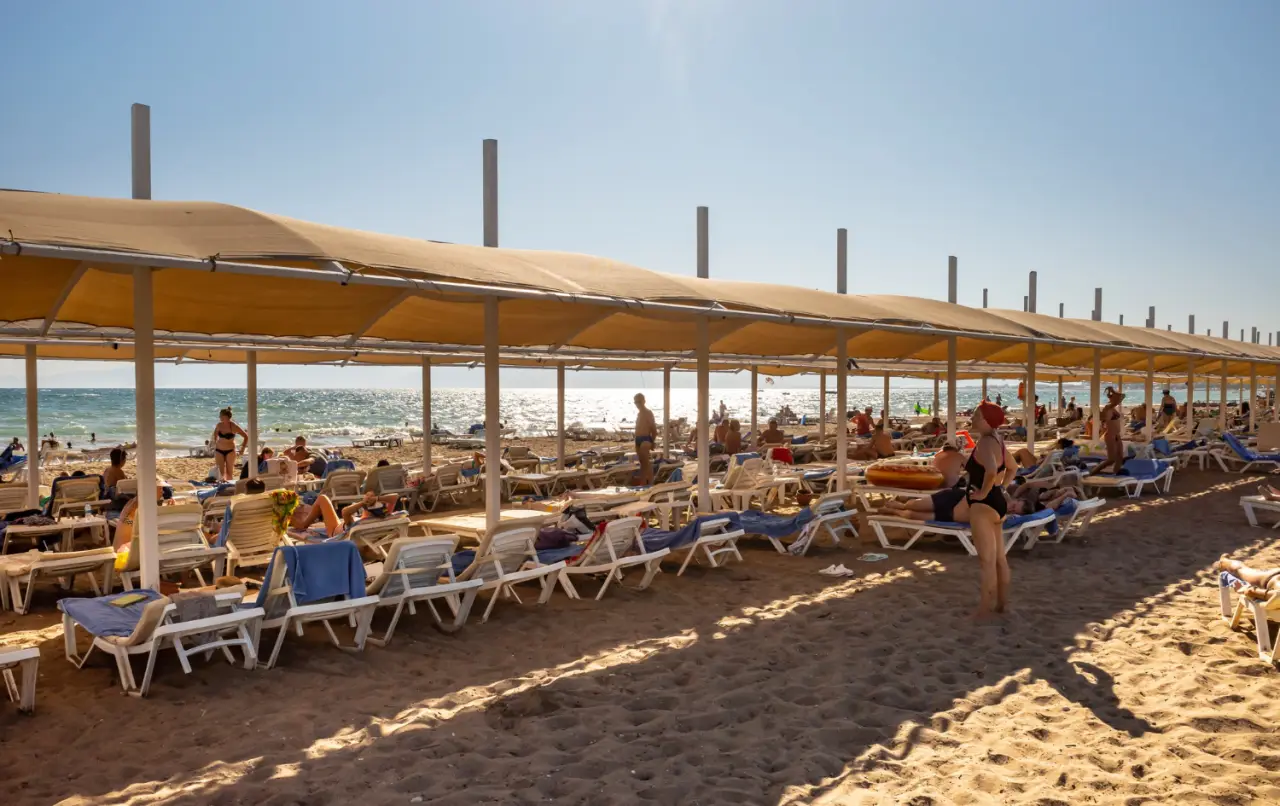
The price issue has become especially important because it affects both package holidays and independent travel. With room rates described as very high, many travellers appear to have chosen rival seaside destinations instead, including Türkiye and Egypt, while some have opted for Abkhazia.
The airport restrictions have also added pressure on the market. Combined with the fuel crisis, they have made it harder for some visitors to reach the region by car, reducing one of the main routes into Sochi for domestic tourists.
Bookings up to April had been stronger, suggesting the market started the year on a relatively firmer footing. But the shift in demand from May onwards shows how quickly price sensitivity and travel constraints can affect a resort region that depends heavily on seasonal visitors.
For hotels and tour operators, the weaker demand creates a difficult outlook for the rest of the season. Autumn bookings are continuing, but the overall picture remains one of low occupancy and intense competition from nearby and overseas alternatives.