Iberostar has shut down its remaining six hotels in Cuba, effectively ending the Spanish chain’s operations on the island for now. The closures took effect on 20 July, and tour operators with bookings from that date onward have already been notified.
The company has not detailed what comes next in Cuba. The withdrawal lands as the country faces a deep economic crisis, with US sanctions continuing to hit its tourism sector and pressure foreign businesses linked to the state-run military conglomerate Gaesa.
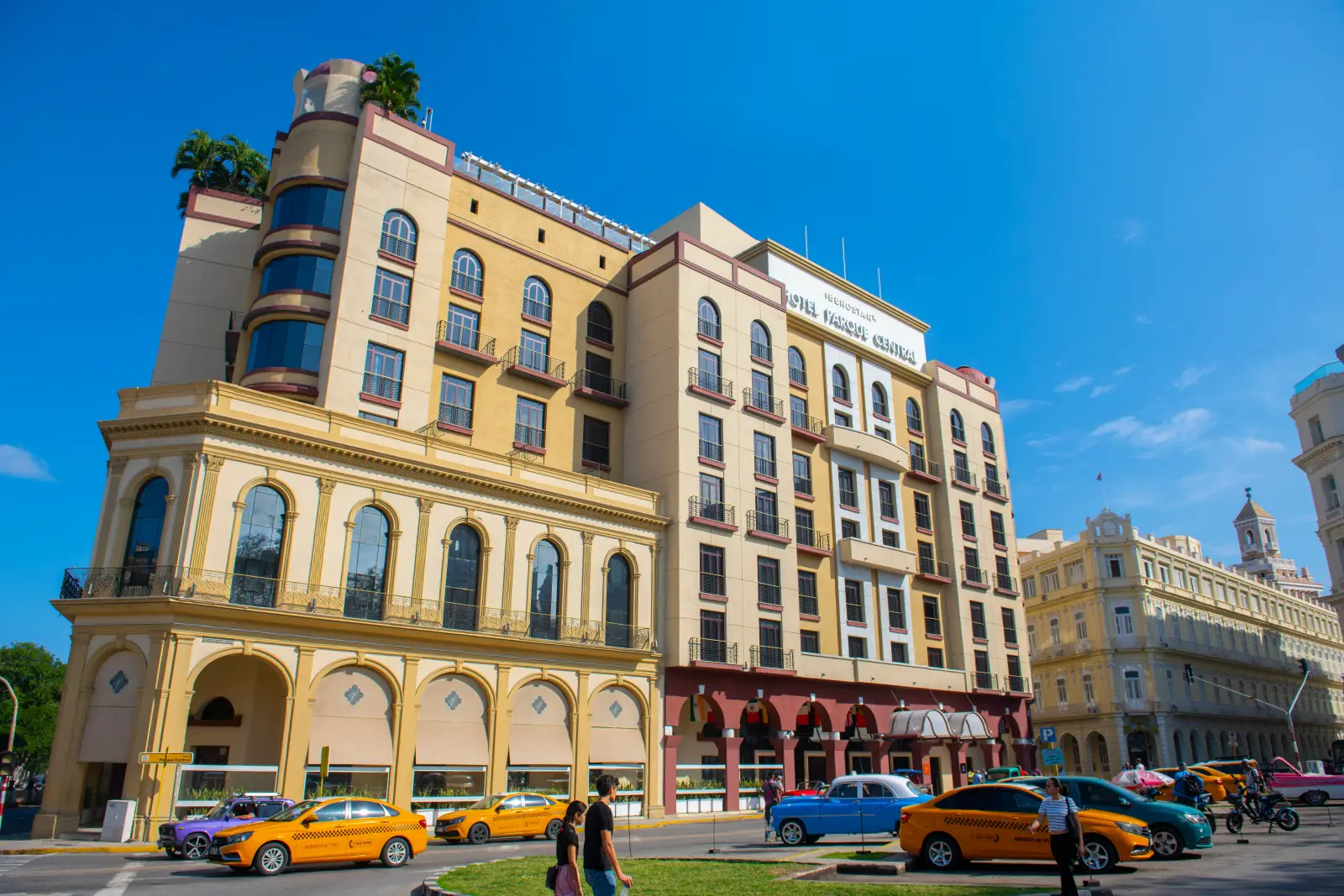
At the start of 2026, Iberostar still ran 18 hotels in Cuba and had been promoting new management models and higher quality standards. That count fell sharply on 1 June, when the chain cut ties with 12 properties linked to Gaviota, the hotel arm of Gaesa, ahead of a US Treasury deadline tied to an executive order signed by President Donald Trump on 1 May. The remaining six hotels, partnered with Cubanacan and Gran Caribe, have now also closed. Iberostar has kept one property, Iberostar Havana Parque Central, open in name only, with Cubanacan Group expected to handle its marketing going forward.
The retreat marks a major setback for Cuba‘s already struggling tourism industry, historically one of the island’s most important sources of foreign currency. According to reports cited by Reise vor9, the latest US measures played a key role in Iberostar‘s decision to pull back completely.
Iberostar is far from alone in reducing its exposure. Rival Spanish group Meliá has also sharply cut its Cuba portfolio, falling from 35 hotels at its peak to just six still open, in Havana, Varadero and Cienfuegos, according to Reise vor9‘s research. Meliá has now gone further, informing Spain’s National Securities Market Commission that it will halt all management, marketing and brand use across its remaining properties from Friday, 24 July, ending a 36 year continuous presence on the island. Spanish rival Barceló announced its own complete exit from Cuba the same week, meaning all three major Spanish hotel chains are leaving the island in the same period.
The exits follow a further escalation from Washington. Last week the Trump administration added Cuba‘s Ministry of Tourism, known as MINTUR, along with nine other state entities, to the US Treasury’s list of Specially Designated Nationals, the first time an entire ministry of the Cuban government has been blacklisted in this way. Because Cubanacan and Gran Caribe both operate under MINTUR, the move removed any remaining legal basis for foreign chains to keep contracts with them, forcing the hand of operators still active on the island.
Canadian operator Blue Diamond Resorts had already announced its complete withdrawal from Cuba in late May, affecting 62 properties and more than 12,900 rooms. Estimated losses for Spanish hotel companies from the wider pullback are put at between 80 and 100 million euros. Cuba‘s government, led by Miguel Diaz-Canel, has threatened legal action over breach of contract, while Meliá has pointed to the European Union’s Blocking Statute, in force since 1996, which prohibits European companies from complying with US extraterritorial sanctions, as part of its defence.
For travellers, the impact is already visible. German holidaymakers can find little to book on the island through major online travel agents, with no accommodation currently listed on sites including Tui, Dertour, Opodo, Booking.com and Check24, according to Reise vor9. Airbnb remains one of the few platforms with a broad range of private homes and apartments still listed, though the wider tourism picture on the island remains uncertain.
The collapse in hotel availability underlines how badly Cuba‘s tourism sector has been hit by geopolitical pressure and a weakening domestic economy. Arrivals had already fallen to historic lows in 2025, with 1.81 million international visitors, the lowest figure since 2002 and less than half the number recorded in 2018. The first four months of 2026 brought only 328,608 international tourists, a drop of more than 55 percent compared with the same period in 2025, and hotel occupancy across the island stood at just 18.9 percent last year. What was once a flagship destination for European hotel groups is now facing a rapid, and possibly lasting, retreat of international investment.
Photo Credit: Wangkun Jia / Shutterstock.com