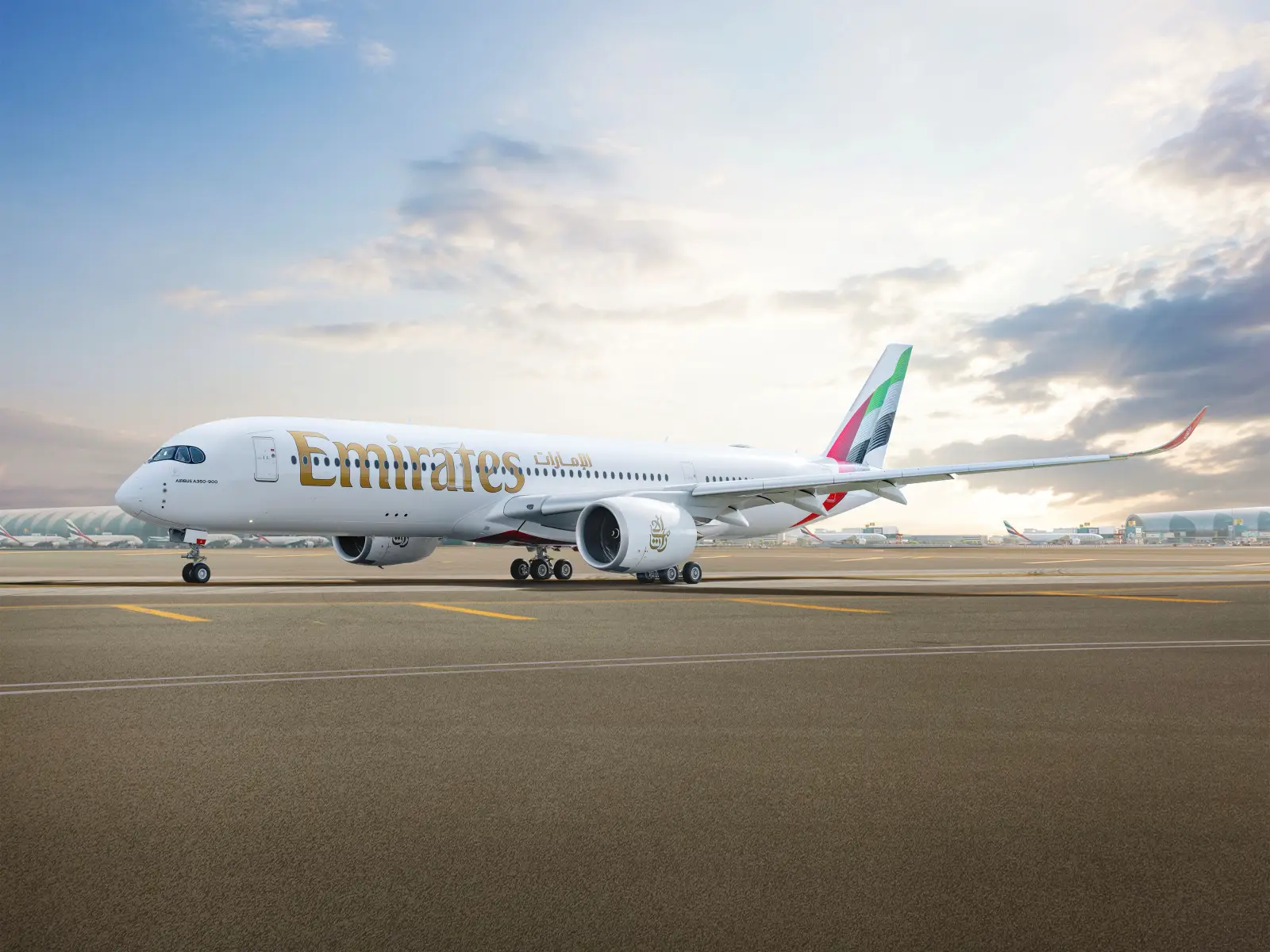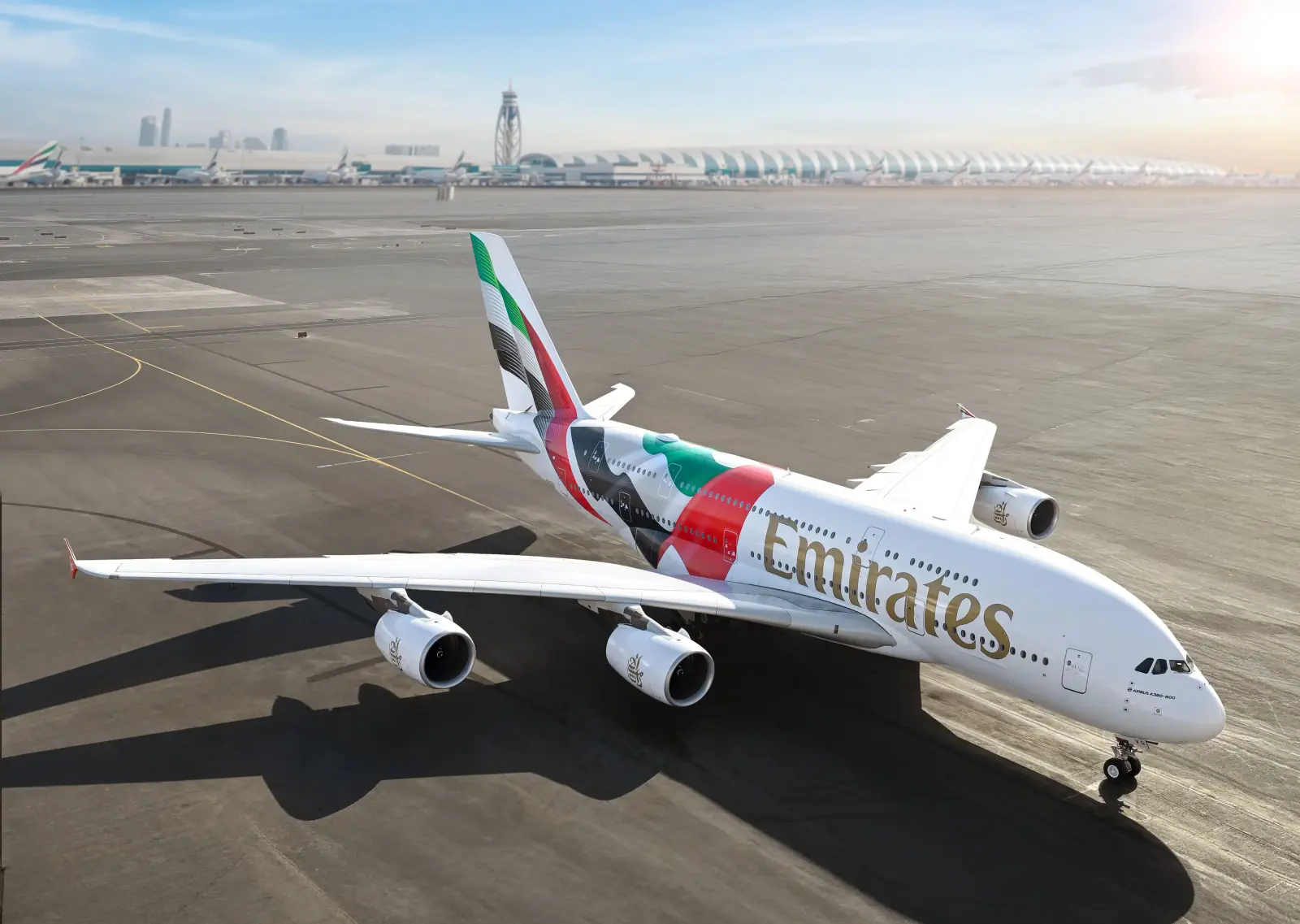
Emirates is set to inspect several of its Airbus A380 jets after the European Union Aviation Safety Agency ordered an urgent review of part of the aircraft’s wing structure following the discovery of cracks during routine maintenance.
The airline said it would carry out the required checks in line with the airworthiness directive. The inspections are due to begin within the next 48 hours, and the affected aircraft will not return to service until the necessary repairs are completed.
Emirates did not say how many aircraft would be examined, but The Guardian reported that 15 of the 16 A380s identified belong to the Dubai-based carrier. The remaining aircraft is in Qantas’s fleet.
The move affects the world’s largest operator of the Airbus A380, which currently has 118 of the superjumbos in service, about 50% of all those built. Emirates has invested billions of dollars in refurbishing many of its cabins in an effort to extend the aircraft’s life and keep it commercially attractive for years to come.
According to Gulf News, Emirates said it would “comply and carry out the required inspections in accordance with the airworthiness directive”. The airline added that it was working closely with Airbus and the relevant authorities to “reduce as much as possible the impact that these checks may have on its flight schedule”.
The checks come after cracks were found on several aircraft during routine maintenance work. Emirates has not said whether the issue affects older aircraft only, but the concern centres on part of the A380’s wing structure, making the inspections a precautionary safety measure rather than a response to an in-service incident.
The A380 remains central to Emirates’ long-haul network and its brand. The airline has continued to defend the aircraft’s commercial value, even as Airbus production of the type ended years ago and other airlines have reduced or retired their fleets.
Any disruption is likely to be watched closely across the industry because of Emirates’ scale. With so many A380s in service, even a limited number of aircraft out of rotation can affect schedules, capacity and connectivity on major international routes.
For passengers, the airline has indicated that it expects to manage the impact as it works through the inspections and repairs. Emirates has not yet published a schedule for which services could be affected.
Airline safety regulators have increasingly taken a precautionary approach to structural issues found in heavy maintenance, particularly on aircraft that remain in long-term service. In this case, the urgent directive suggests the wing cracks need close monitoring and fast action, even though no immediate in-flight safety incident has been reported.