The International Air Transport Association (IATA) has criticized a European Commission proposal to extend the EU Emissions Trading Scheme (EU ETS) beyond Europe’s borders, calling the move a repeat of a mistake made more than a decade ago.
The global airline body said the plan would create friction over extraterritoriality, slow global efforts to cut aviation emissions, and weaken European competitiveness, with travelers and businesses in Europe ultimately bearing the cost.
“The EU is repeating a historic error. The consequences will be harmful, sowing acrimony over extraterritoriality, slowing global decarbonization, and sapping European competitiveness, with European travelers and businesses paying the price,” said Willie Walsh, IATA’s Director General.
The EU ETS is a carbon pricing system that requires airlines to buy allowances covering their emissions on flights within Europe. IATA’s statement, issued on 17 July 2026, refers to a similar attempt by the EU to apply the scheme to flights entering and leaving the bloc in 2012, a move that was suspended after it triggered a diplomatic backlash from countries including the United States, China and India.
IATA argues that instead of widening the EU ETS, the European Commission should strengthen the Carbon Offsetting and Reduction Scheme for International Aviation (CORSIA), the global carbon offset mechanism agreed through the International Civil Aviation Organization. IATA describes CORSIA as the agreed global mechanism for tackling aviation emissions and says the EU should focus its efforts on making that system more effective rather than pursuing a regional scheme with international reach.
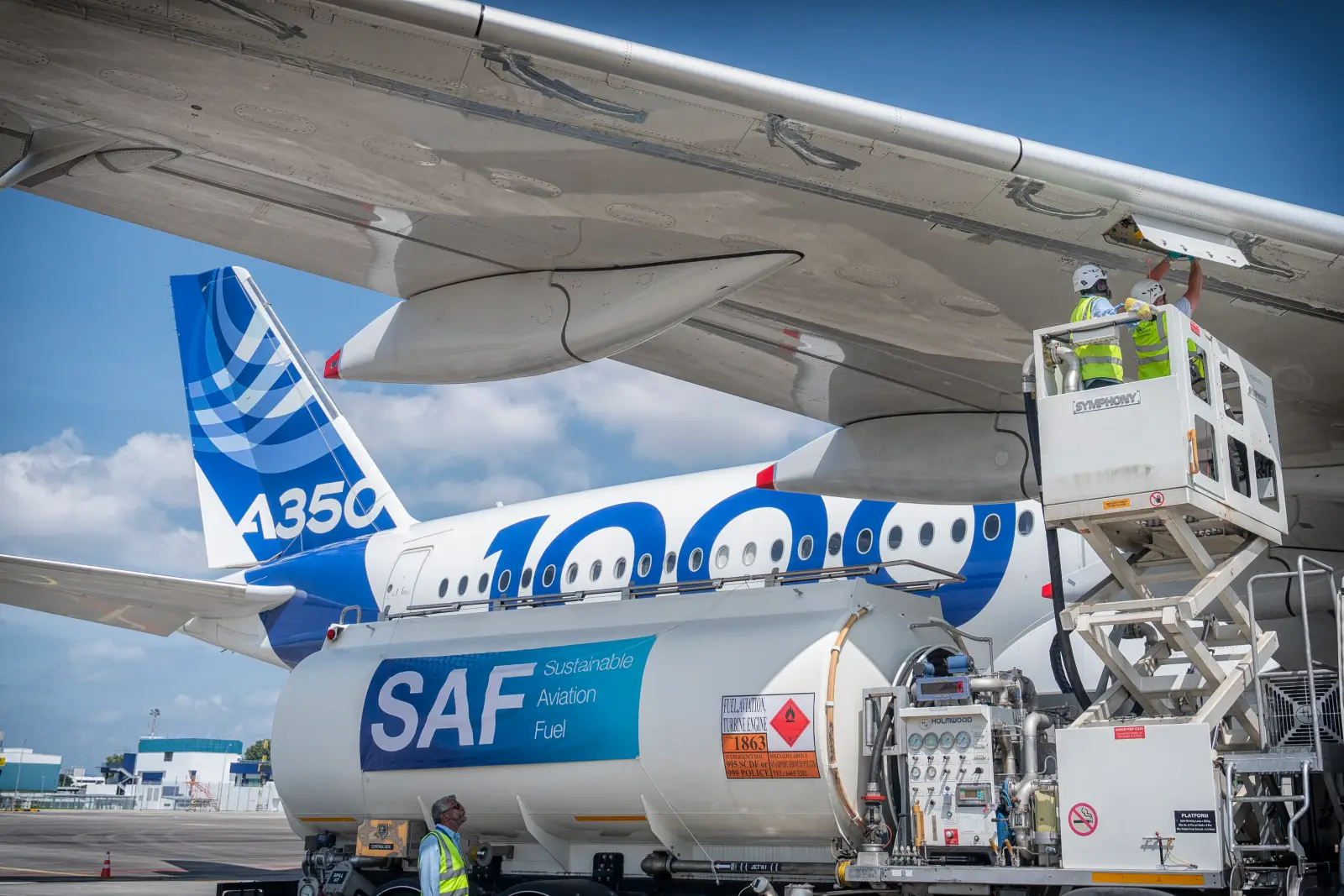
The association points to two measures it says could support that goal: increasing the availability of sustainable aviation fuel (SAF) allowances and introducing a book and claim system for SAF. Under a book and claim model, airlines could purchase the environmental benefits of sustainable fuel without needing to physically uplift it at every airport, a system aviation groups have said could accelerate SAF adoption where production and distribution are limited.
IATA cautioned that the details of any such measures would be critical to their success, without specifying what changes it is seeking from Brussels.
The association said it intends to engage directly with European policymakers to push for what it calls a more effective approach, one that avoids extraterritorial reach, fully supports CORSIA, and includes effective incentives for sustainable aviation fuel.
Aviation’s contribution to climate change has remained a central point of tension between airlines, regulators and environmental groups. Airlines have argued that a fragmented patchwork of regional and international carbon pricing schemes raises costs and creates legal uncertainty, while EU policymakers have said broader carbon pricing coverage is needed to meet the bloc’s climate targets.
IATA represents around 340 airlines worldwide and has repeatedly called for a single, globally coordinated approach to aviation emissions rather than overlapping regional rules. The organization’s latest statement signals that the debate over how far the EU’s carbon rules should extend is likely to continue as the European Commission moves forward with its proposed revision of the EU ETS.