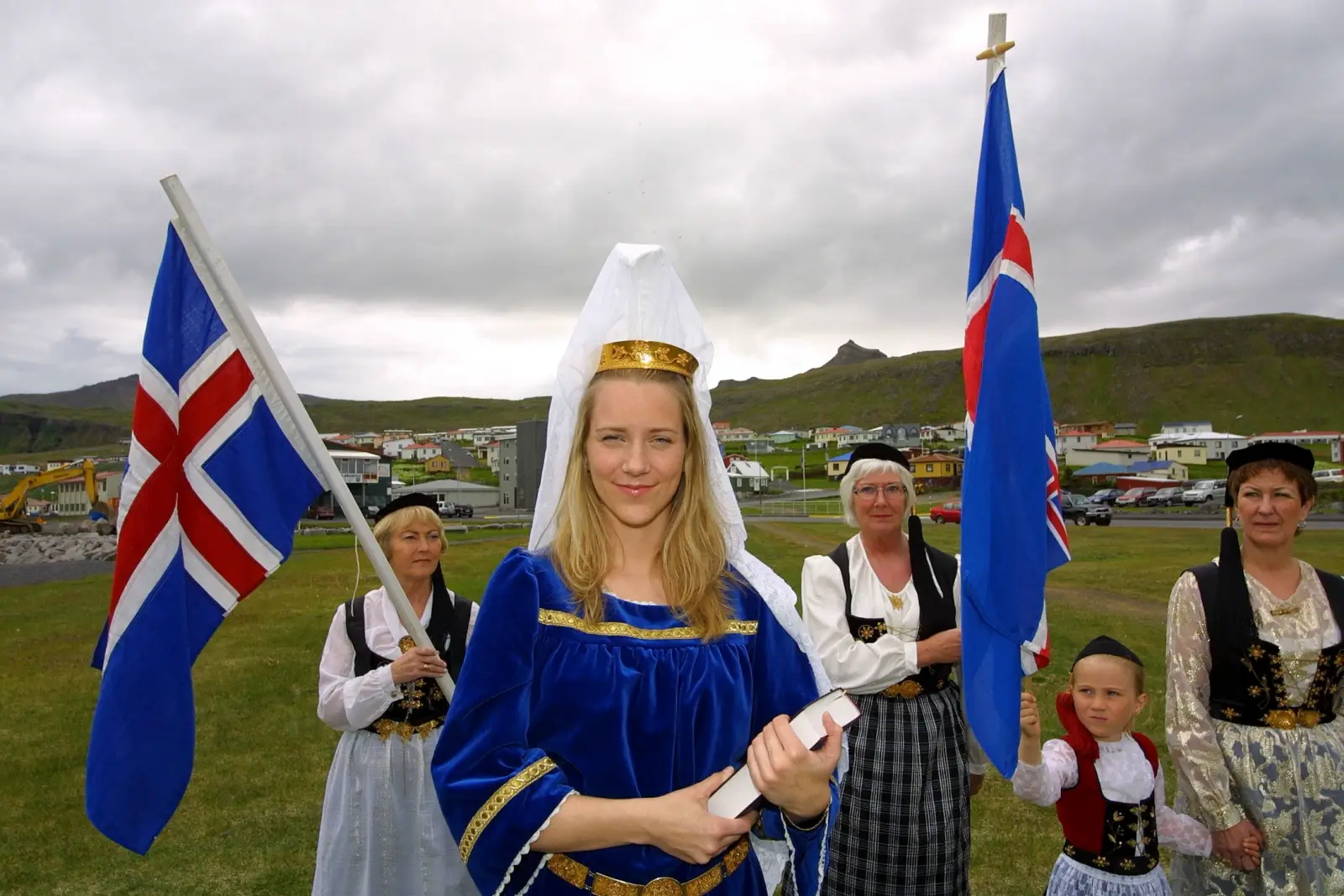
Iceland remains the most peaceful country in the world for the 19th consecutive year, and by a significant margin.
For the last two decades, Iceland has been the most peaceful country on earth underpinned by the absence of a standing military, very low crime rates, and strong social cohesion, according to the Global Peace Index.
Following Iceland at the top of the 2026 were New Zealand, Switzerland, Slovenia, Ireland, Austria, Portugal, Singapore, Finland and Japan. The Index ranks 163 independent states and territories according to their level of peacefulness, covering 99.7 per cent of the world’s population.
Overall, nine of the 10 countries that appear in the 2026 list also appeared in the top 10 in 2025, and the region that contains seven of them, Western and Central Europe, remains the most peaceful in the world despite recording its own deterioration, driven by a broad increase in defence expenditure across European NATO members, who raised spending by 20 per cent in real terms in 2025.
Here’s a look into the top 10 most peaceful countries in 2026:
- Japan
Japan rose three places to secure the final spot in the top 10. The improvement was driven by an improvement in the Ongoing Conflict domain. However, the Militarisation domain deteriorated, reflecting Japan’s ongoing defence expansion. In 2025, Japan approved a record defence budget of US$55 billion and launched its Joint Operations Command to centrally control all Self-Defense Forces branches, continuing a multi-year shift in the country’s security posture.
- Finland
Finland ranks ninth globally, rising one place, continues to perform strongly across the Ongoing Conflict and Safety and Security domains and remains consistently among the top 10 most peaceful countries in the world.
- Singapore
Singapore recorded a marginal improvement over the past year, leaving its overall score essentially unchanged. Singapore is the highest-ranked country in Southeast Asia and continues to perform strongly across the Militarisation and Safety and Security domains. Per capita military expenditure in Singapore stands at US$9,853, among the highest in the world, reflecting the city-state’s significant investment in defence capability relative to its population.
- Portugal
Portugal rose one place to seventh. The country remains one of the most stable performers in the Western and Central Europe region.
- Austria
Austria ranks sixth globally, despite a slight deterioration over the past year. Austria’s terrorism impact indicator recorded one of the largest country-level deteriorations on that indicator over the past year.
- Ireland
Ireland ranks fifth globally. Ireland recorded a marginal deterioration over the past year but continues to perform strongly on the Ongoing Conflict domain, with very low levels of internal and external conflict.
- Slovenia
Slovenia ranks fourth globally, rising two places. Slovenia recorded an improvement in its overall score, driven by the Safety and Security domain. The country has improved steadily in the rankings over several years and continues to be one of the strongest performers within Western and Central Europe.
- Switzerland
Switzerland ranks third globally. Switzerland recorded a marginal deterioration over the past year. The Ongoing Conflict domain remained stable, and Switzerland continues to record among the strongest performances in the region on the Safety and Security domain.
- New Zealand
New Zealand ranks second globally and remains the most peaceful country in the Asia-Pacific region, a position it has held for several years. New Zealand recorded a slight improvement in peacefulness over the past year due to a decrease in weapons imports. New Zealand has the lowest Ongoing Conflict score of any country in the Asia-Pacific region.
- Iceland
In the 2026 Global Peace Index (GPI), Iceland advanced further, recording an improvement in peacefulness of two per cent over the past year. The Safety and Security domain improved by four per cent, driven by a 42.9 per cent improvement in the violent demonstrations indicator. The Ongoing Conflict domain remained unchanged, and the Militarisation domain improved marginally.