Global tour operator Coral Travel says the Canary Islands are well positioned to capture a larger share of the German-speaking travel market as shifting traveller behaviour opens new opportunities for flexible bookings, wellness breaks and authentic destination experiences.
Coral Travel and Spanish consultancy Madison Travel and Tourism presented their Trend Analysis 2026 study to around 50 tourism and hospitality professionals at events in Gran Canaria and Tenerife. The study focused on the DACH markets of Germany, Austria and Switzerland, and on the islands’ potential as a year-round destination for those travellers.
Koray Cavdir, Coral Travel Group’s managing director for DACH operations, said bookings had picked up notably since the end of April 2026. He said last-minute demand and interest in peak-season travel remained strong, but many customers were still holding back before making a final commitment.
Coral Travel said it is responding to that hesitation with flexible booking options and free cancellation offers, working directly with hotel partners to reduce financial uncertainty for travellers who are reluctant to book early. The company said the approach reflects a broader shift in how holidaymakers from German-speaking countries are making decisions about travel.
The Trend Analysis 2026 study found that 40% of international travellers now use artificial intelligence tools when planning trips, and 73% are influenced by content produced by social media influencers and creators. Coral Travel said those figures are reshaping how holidaymakers search, compare and book holidays, and that destinations and operators need to adapt their marketing and distribution strategies accordingly.
The research identified individual experiences, health and wellness, and the search for more authentic holidays as increasingly important motivators for travellers across all three DACH markets. Industry professionals attending the Tenerife event agreed that the Canary Islands could grow further by promoting active holidays, gastronomy, nature experiences, wellness tourism and sustainable travel as alternatives to the traditional sun-and-sea offer.
Pia Louw, Tourism Promotion Director at Turismo de Tenerife, said Tenerife in particular should be presented not only as a beach destination but also as a place for culture, nature, food and outdoor activities. She said broadening the island’s identity in the minds of DACH travellers was key to extending the season and attracting new visitor segments.
The study also highlighted clear differences between the three markets. German travellers place greater importance on value for money, safety and booking flexibility. Austrian customers focus more on the overall quality of the experience, while Swiss travellers pay close attention to service standards and the value they receive relative to the price paid. Coral Travel said those distinctions create specific sales and advisory opportunities for travel agencies working with each market.
The scale of German-speaking demand for the islands is significant. About 1.97 million German package holiday customers visited the Canary Islands during the 2024 to 2025 period, with 85% choosing Fuerteventura, Gran Canaria and Tenerife. Around 140,000 travellers from Austria visit the islands each year. The figures place the DACH region among the most important source markets for Canary Islands tourism.
That position is reinforced by wider market data. Gran Canaria recorded nearly five million tourists and historic revenue of 6.2 billion euros in 2025, with the German market generating 1.342 billion euros, the second-best figure in the historical series. Three in every ten Germans who travelled to the Canary Islands chose Gran Canaria, and German visitors recorded an average stay of 10.68 days, one of the longest of any source market.
Coral Travel said the challenge now is to reach new customer groups, extend average stays and create stronger reasons to travel outside the high season. The company said the Canary Islands are well placed to meet that challenge if the destination and its operators adapt to changing booking patterns, embrace digital channels and align their offer with the evolving expectations of DACH travellers.
The Canary Islands are on track to welcome more than 16 million foreign tourists in 2026, with January figures already showing a 4.9% increase over the same period in 2025. Industry observers say the concentration of demand in a handful of islands and a narrow seasonal window remains the main structural challenge for sustainable growth across the archipelago.
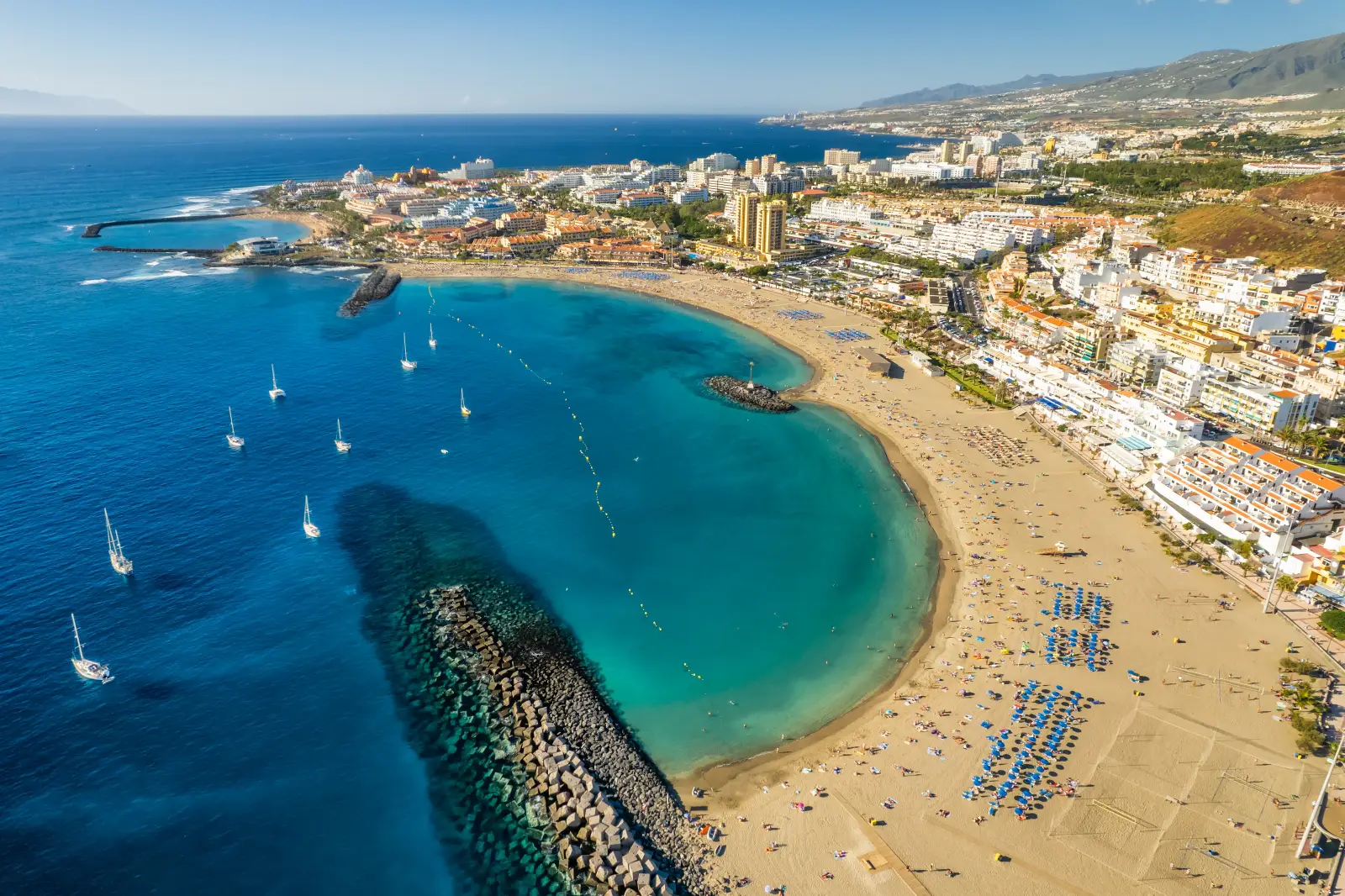
Photo Credit: Mazur Travel / Shutterstock.com