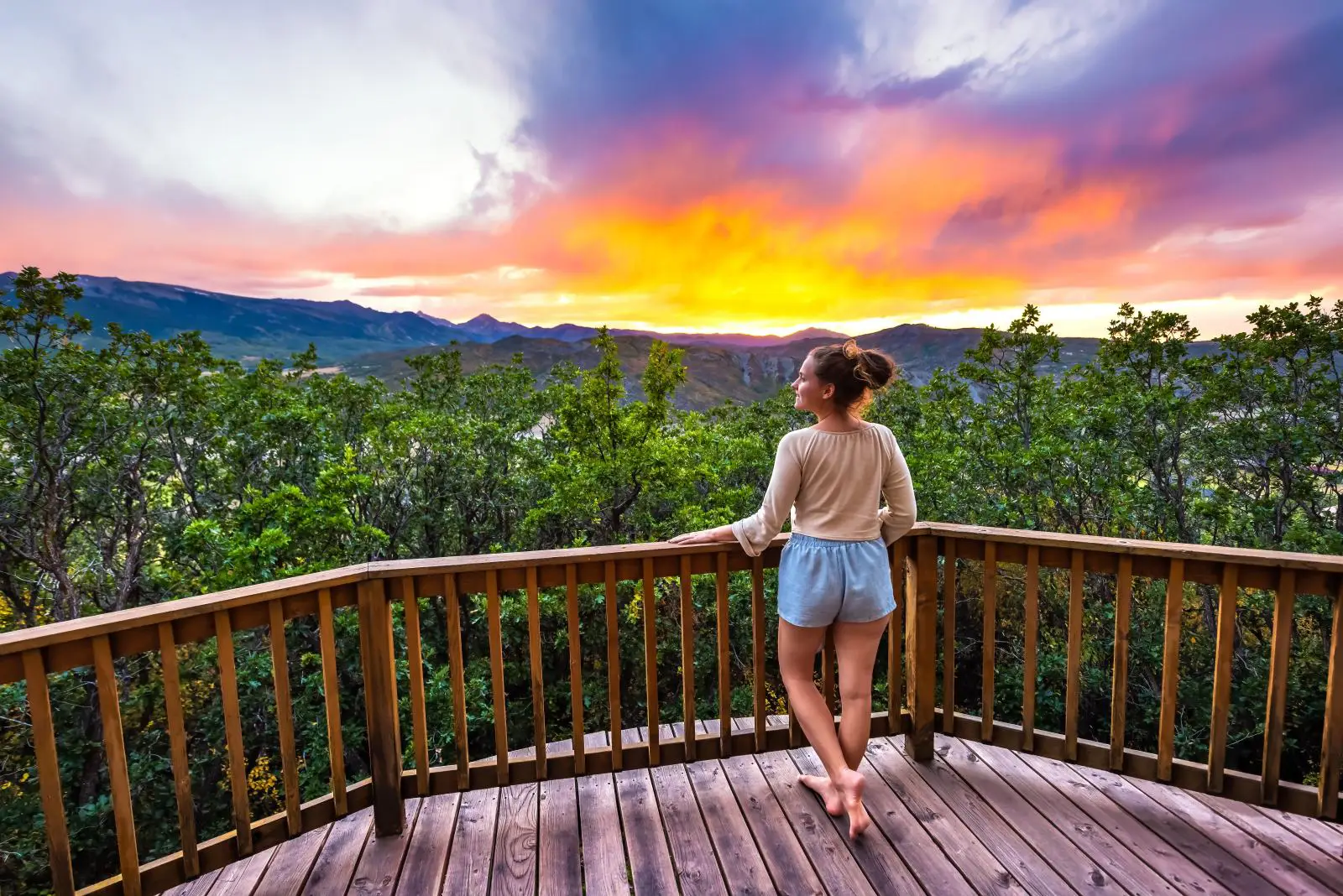
Colorado is the kind of place that looks best when you are not trying to photograph it. The light on the Rockies at four in the afternoon, the particular silence of a mountain town on a Tuesday morning, the way a high-altitude meadow smells in early summer — these are things you encounter when you are not moving fast enough to miss them. Most visitors to Colorado move too fast. They drive the scenic byways, check the national parks, eat at the recommended restaurants, and leave with a collection of images and very little sense of the place itself.
Three days is not a long time. But it is enough — if you choose one part of the state and commit to it, if you resist the itinerary that tries to cover Denver, Rocky Mountain National Park, Aspen, and Mesa Verde in 72 hours. That itinerary exists. It will exhaust you and teach you nothing. The alternative is slower, less photogenic on paper, and considerably more rewarding in practice.
That slower approach has also changed the way many travelers spend their evenings after a day outdoors. Instead of rushing through packed schedules, more visitors now lean into quieter downtime — local breweries, live music, small-town diners, or even casual online entertainment back at the lodge, where offers like a Hidden Jack promo code have become part of the broader digital travel culture surrounding modern getaways.
What follows is not a checklist. It is a way of moving through three days in Colorado that leaves room for the state to surprise you.
Before You Arrive: Choose Your Base and Commit
Colorado is larger than most Europeans expect and more varied than most Americans assume. The eastern plains are a different country from the mountain towns, which are themselves different from the desert canyons of the southwest. Trying to sample all of it in three days produces the worst kind of trip: long drives, shallow stops, and the nagging feeling that the real Colorado is always just over the next pass.
The better decision is to pick one region and base yourself there. The mountains around Breckenridge, Steamboat Springs, or Crested Butte give you high-altitude terrain, small-town character, and the kind of hiking and cycling that Colorado does better than almost anywhere on the continent. The Four Corners region around Durango and Mesa Verde gives you red rock canyon country, ancient history, and a pace that the ski towns do not have. The San Luis Valley, the least visited of Colorado’s distinct landscapes, gives you hot springs, great horned owls at dusk, and the strange flat grandeur of the largest alpine valley in the world.
Pick one. Book accommodation in a town rather than a chain hotel on a highway. If you can, rent somewhere with a kitchen — not because you will cook every night, but because having a place to make coffee in the morning without leaving the building changes the tempo of a trip.
Day One: Arrive Slowly
The first day of any trip is the day most people waste by trying to accomplish too much. Jet lag, altitude adjustment, the disorientation of a new place — these are real, and they are compounded by driving two hours from the airport to your destination immediately after landing, then heading straight to a hike.
A note on altitude: if you are flying into Denver and heading to a mountain town, the elevation change is significant. Denver sits at 5,280 feet. Breckenridge is at nearly 10,000. Your body needs time to adjust, and pushing it with strenuous activity on the first day reliably produces headaches, fatigue, and occasionally worse. Drink water, eat lightly, sleep earlier than you normally would, and save the demanding terrain for day two.
Spend the afternoon of day one walking the town you have chosen. Not a structured walk with a destination, but the kind of aimless movement that lets you orient yourself — which street has the good coffee, where the locals eat dinner, what the light does to the mountains at this particular time of day. Stop when something interests you. Do not check a map unless you are genuinely lost.
Dinner on the first night should be somewhere small and local. In Breckenridge, this means avoiding the chain restaurants on Main Street and finding the places that serve the people who actually live there. In Durango, it means somewhere that has been around long enough to have a relationship with its suppliers. In Crested Butte, nearly anything on Elk Avenue qualifies. The quality of the first meal sets the tone for the whole trip.
Day Two: Go Somewhere That Takes Time
Day two is for the thing that Colorado does that nowhere else can quite replicate: altitude, scale, and silence, all at once.
Choose one destination and give it the whole day. In the mountains, this might be a trail into one of the wilderness areas that surround most of the ski towns — not the popular trails that attract heavy summer traffic, but the second or third option that requires a slightly longer drive on a forest road. The American Flags trail above Crested Butte. The Lost Lake loop near Kebler Pass. The Mount Galbraith area west of Golden if you are staying closer to Denver. These trails reward the visitor who took the time to look beyond the top ten lists.
In canyon country, a full day at Mesa Verde is not wasted — but the visitor who only does the Cliff Palace tour and leaves by noon has missed the point. The Wetherill Mesa side of the park, accessible by a longer shuttle, receives a fraction of the visitors and contains structures of equal quality and comparable history. Sitting at the overlook on Wetherill Mesa in the late afternoon, watching the light flatten across the canyon, is an experience that the main park loop does not offer.
Wherever you go on day two, leave time to do nothing on the way back. Pull off the road at a viewpoint not marked on the tourist map. Eat lunch at a picnic table rather than in the car. In Colorado’s high country, the afternoon light between three and five o’clock turns aspen groves gold and makes the mountains look painted. Being in it, rather than driving through it toward the next thing, is the point.
That evening, eat earlier than you might at home. Mountain towns run on a different clock — kitchens close by nine, and the best tables at the better restaurants fill by seven. Sitting outside in the cooling air after a full day in altitude, eating something simple and well-sourced, with nowhere to be afterward, is what the day is building toward.
Day Three: Slow Down Before You Leave
The mistake most people make on the last day is front-loading it with activity to compensate for the imminent departure. One more hike, one more drive, one more viewpoint. The result is arriving at the airport sweaty, tired, and slightly resentful.
A better use of the final day is to return somewhere you have already been and see it differently. The coffee shop from day one, the trail from day two’s drive, the viewpoint you passed on the way to dinner. Familiarity changes the experience. The second time you sit at the same overlook, you are not orienting yourself — you are simply being there. That is a qualitatively different experience, and one that the first visit rarely allows.
If your lodging has a porch or deck with any view, spend the first hour of the morning there with coffee and without a phone. Colorado’s mornings at altitude are worth the effort of being awake for them. The light comes early. The air at seven in the morning in a mountain town is cold and clear in a way that no photograph captures adequately. Being in it does.
Use the middle part of the final day for anything that requires indoor movement — a gallery in town, a bookshop, a conversation with the person who owns wherever you have been staying. Some of the best travel advice comes from people who have chosen to live somewhere rather than visit it. Ask them what they do on their days off. Ask them what you missed. The answer is usually worth knowing, even if it arrives too late to act on.
What Colorado Rewards
Colorado scales with the attention you bring to it. The visitor who drives the scenic byways and checks the boxes encounters a beautiful set of views. The visitor who stays long enough to understand one place’s rhythms encounters something closer to what the state actually is.
It is a place where the weather changes fast and the altitude changes everything — your sleep, your appetite, your sense of scale. The human history — Indigenous, Spanish colonial, mining-era — is present in the landscape if you know how to look. The food, when sourced locally, reflects an agricultural tradition the Rocky Mountain region has sustained through significant change. The outdoors is not a backdrop but the primary fact of the environment, something that shapes how everyone who lives there moves through their days.
Three days is not enough to know Colorado. But three days spent slowly, in one part of it, with genuine attention, is enough to understand why people who have lived there for years still talk about it the way they do. The state has a hold on people that is not easily explained by listing its features. It is experienced, slowly, at altitude, in the specific light of late afternoon on the mountains. That is what three days, spent correctly, can give you.
Photo Credit: Andriy Blokhin / Shutterstock.com