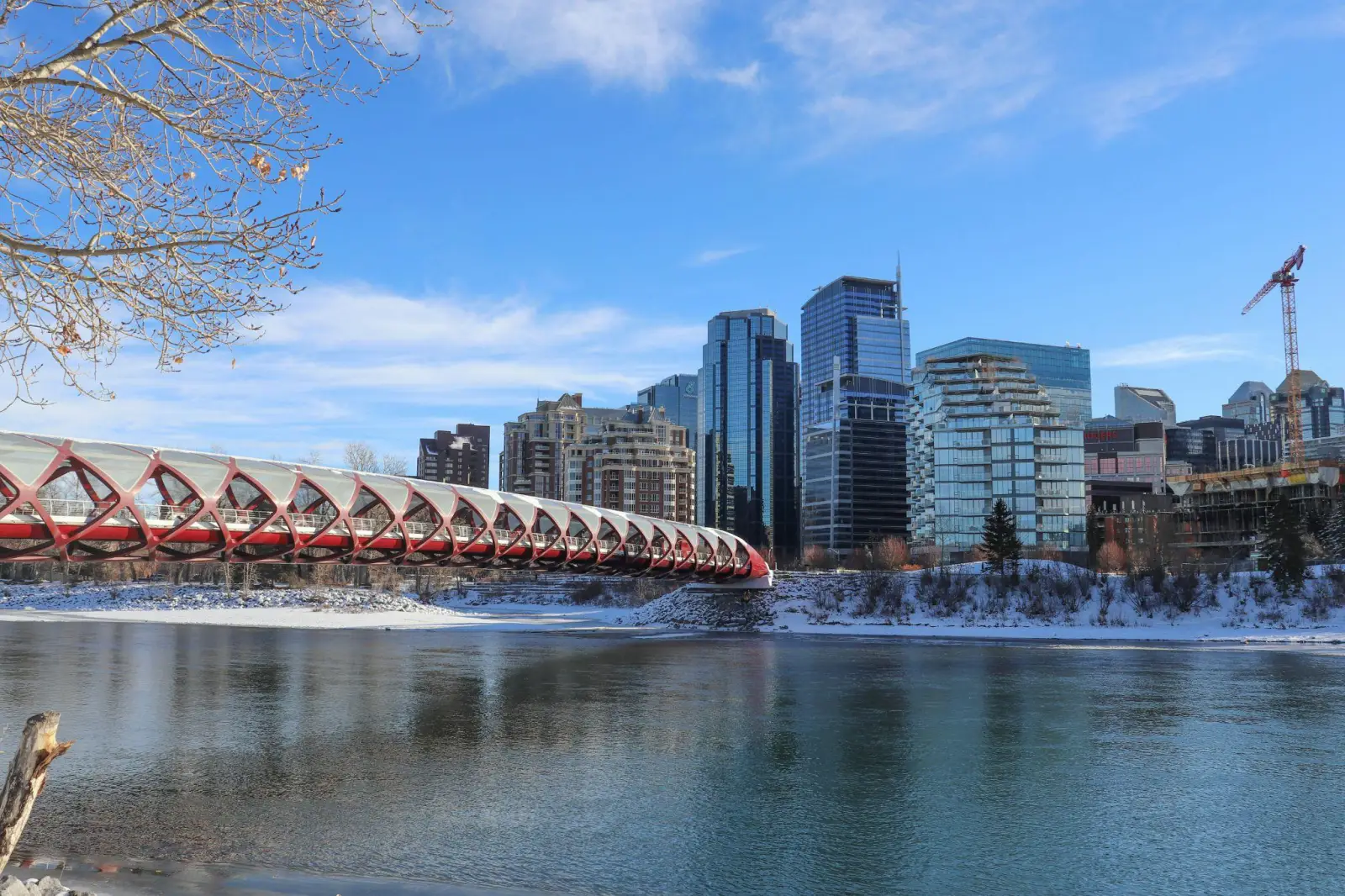
Most travelers arrive in Calgary expecting a gateway to the Rocky Mountains. While the nearby peaks deserve their reputation, the city itself tells an equally compelling story, and one shaped not by geography alone, but by winter.
In many places, cold weather is treated as an obstacle. Streets are empty, outdoor activities slow down, and daily routines adapt to shorter days and freezing temperatures. Calgary took a different approach.
Rather than simply responding to winter, the city incorporated it into the way downtown functions.
The result is a unique urban environment where climate has influenced architecture, transportation, and public life in ways that visitors may not immediately notice.
A Downtown Built on Two Levels
One of Calgary’s most distinctive features is the +15 network, an extensive system of enclosed pedestrian bridges connecting office towers, hotels, retail spaces, and public buildings throughout downtown.
At first glance, the walkways seem like a practical convenience. Look closer, however, and they reveal something more significant.
The network represents a long-term adaptation to Calgary’s climate, allowing people to move between destinations while avoiding snow, wind, and icy sidewalks during the coldest months of the year.
The experience can feel surprisingly different from exploring other North American cities. Instead of relying solely on streets, pedestrians have access to a second layer of downtown suspended above them.
Visitors can spend hours moving through the city without stepping outside for long stretches.
What began as a practical solution eventually became part of Calgary’s identity.
Winter as an Urban Design Challenge
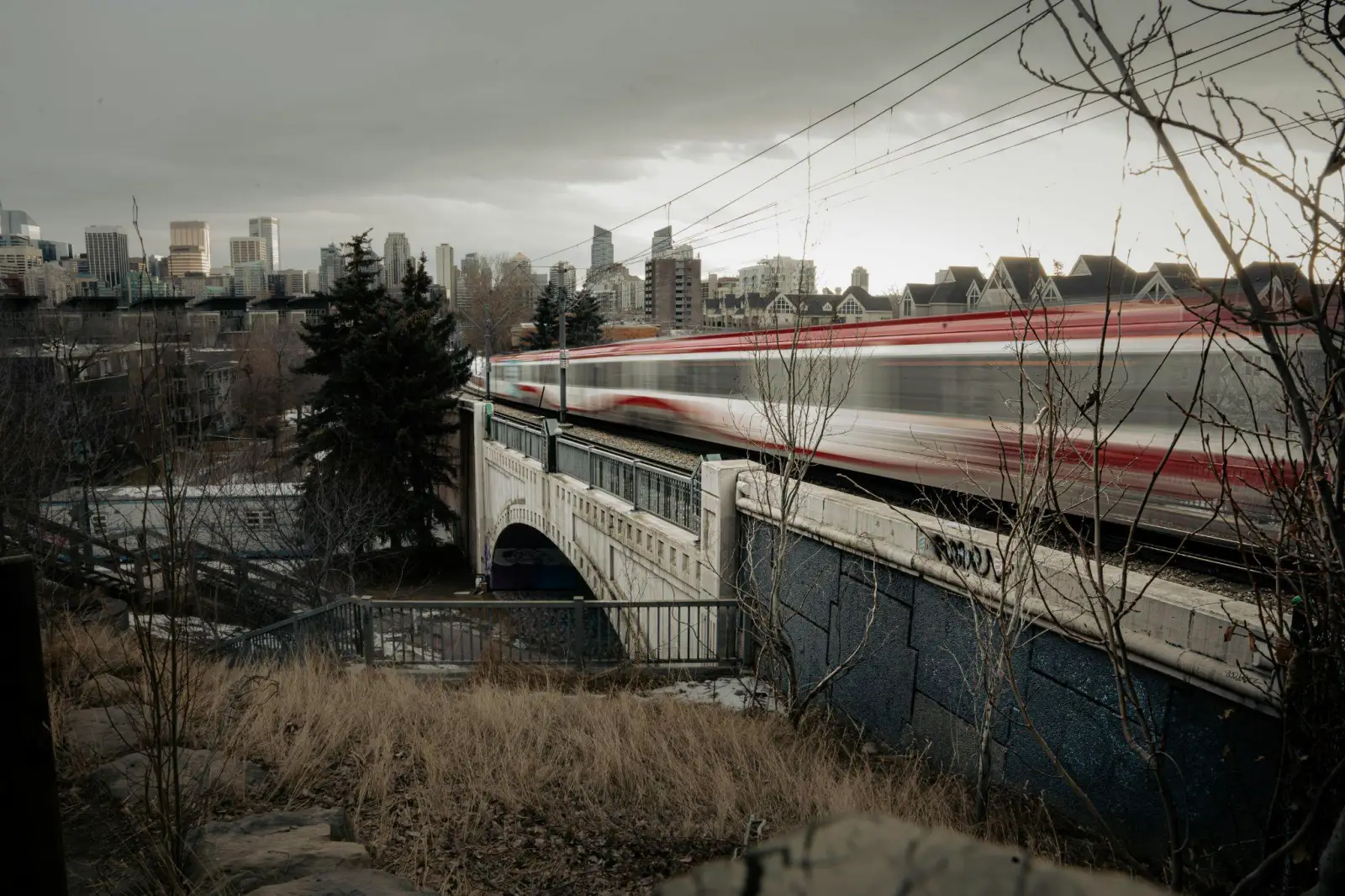
The +15 network is only one example of how winter has influenced the city’s development.
Calgary’s planners have increasingly embraced the idea that cold weather should not bring urban life to a halt. Public spaces are designed with seasonal use in mind, while pathways, parks, and gathering areas continue to serve residents throughout the year.
This philosophy reflects a broader understanding of winter. Rather than viewing it as a temporary inconvenience, Calgary treats it as a predictable part of city life that deserves thoughtful planning.
Visitors often notice the results without realizing the intention behind them. A sheltered public space, a well-maintained pathway, or an active downtown plaza during colder months may seem ordinary.
Together, however, these elements reveal a city designed to remain functional and inviting regardless of the season.
The Chinook Effect
Calgary’s relationship with winter differs from many Canadian cities because of a unique weather phenomenon known as the Chinook.
These warm winds can dramatically increase temperatures during winter, sometimes transforming a frigid week into a surprisingly mild one. The sudden shifts create a rhythm that residents have learned to expect.
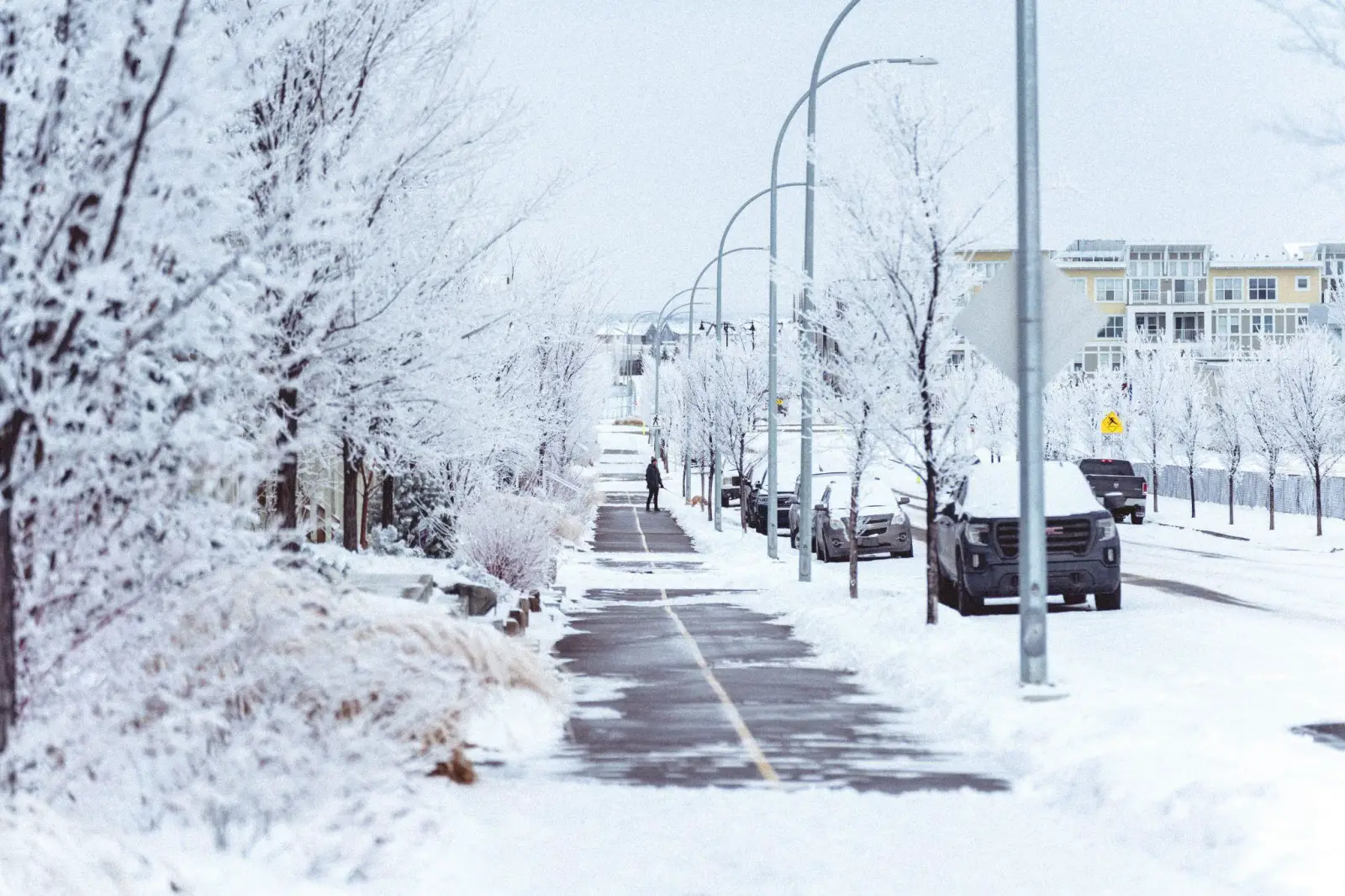
For travelers, the experience can be unexpected. A morning that begins with snow-covered sidewalks may end with people comfortably walking outdoors under clear skies.
This unpredictability has shaped local attitudes toward winter. Instead of retreating indoors for months, Calgarians often remain engaged with the city, knowing that conditions can change quickly.
Exploring Calgary Beyond the Landmarks
Many visitors focus their attention on major attractions, but Calgary rewards those willing to explore its urban details.
Walking through downtown reveals how the climate has influenced everything from pedestrian routes to building design. The city becomes a collection of clues that explain how residents interact with their environment.
Discovering these details can feel a bit like how PHBingo unfolds. A skywalk connection here, a sheltered plaza there, and a pathway that remains active despite the season may seem unrelated at first.
As the pieces come together, a larger pattern emerges. The city begins to make sense through observation rather than sightseeing.
A Different Way to Understand Calgary
Calgary’s winter story is not really about snow or cold temperatures. It is about adaptation.
Over time, the city developed systems that allow people to continue moving, gathering, and participating in public life even during challenging weather conditions.
The +15 network, seasonal public spaces, and winter-friendly infrastructure all reflect a simple idea: a city should work with its climate rather than fight against it.
For travelers, this offers a different perspective on Calgary. Beyond its role as a gateway to the mountains lies a city that has quietly reshaped itself around winter, creating an urban experience unlike any other in Canada.
Sometimes the most interesting attraction is not a landmark at all. Sometimes it’s all about discovering the way a city has learned to live with the season that defines it.