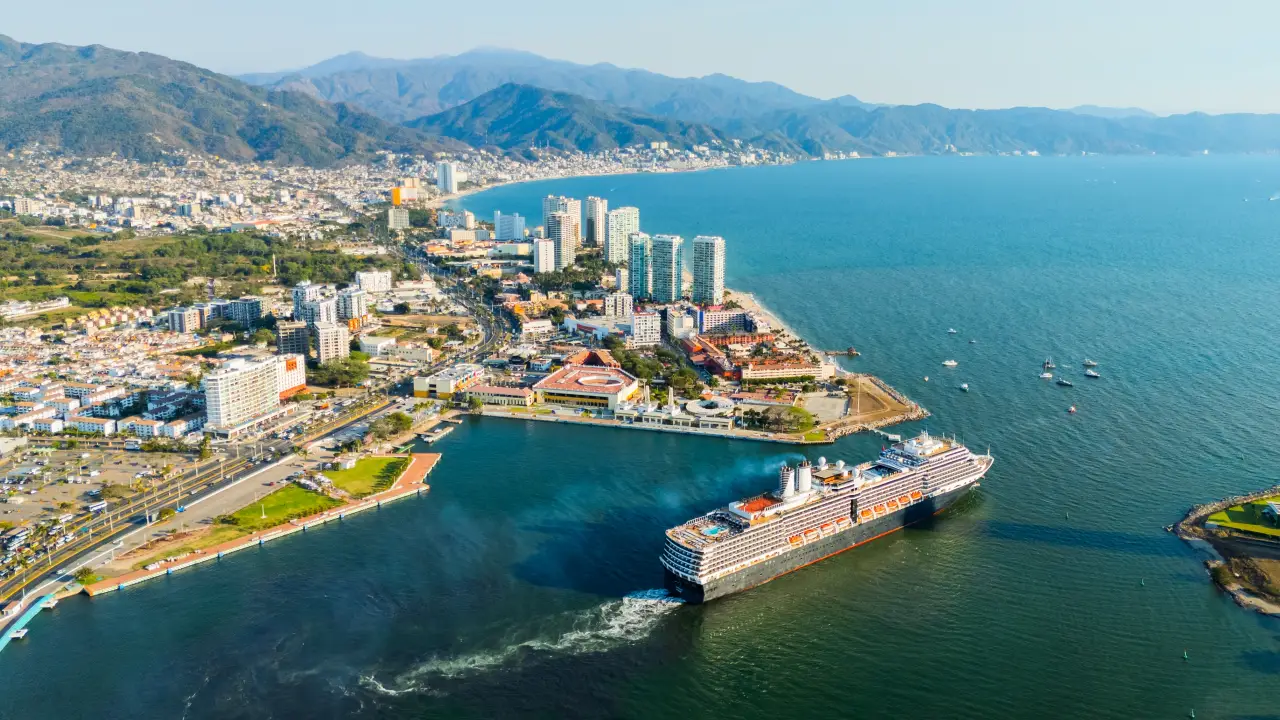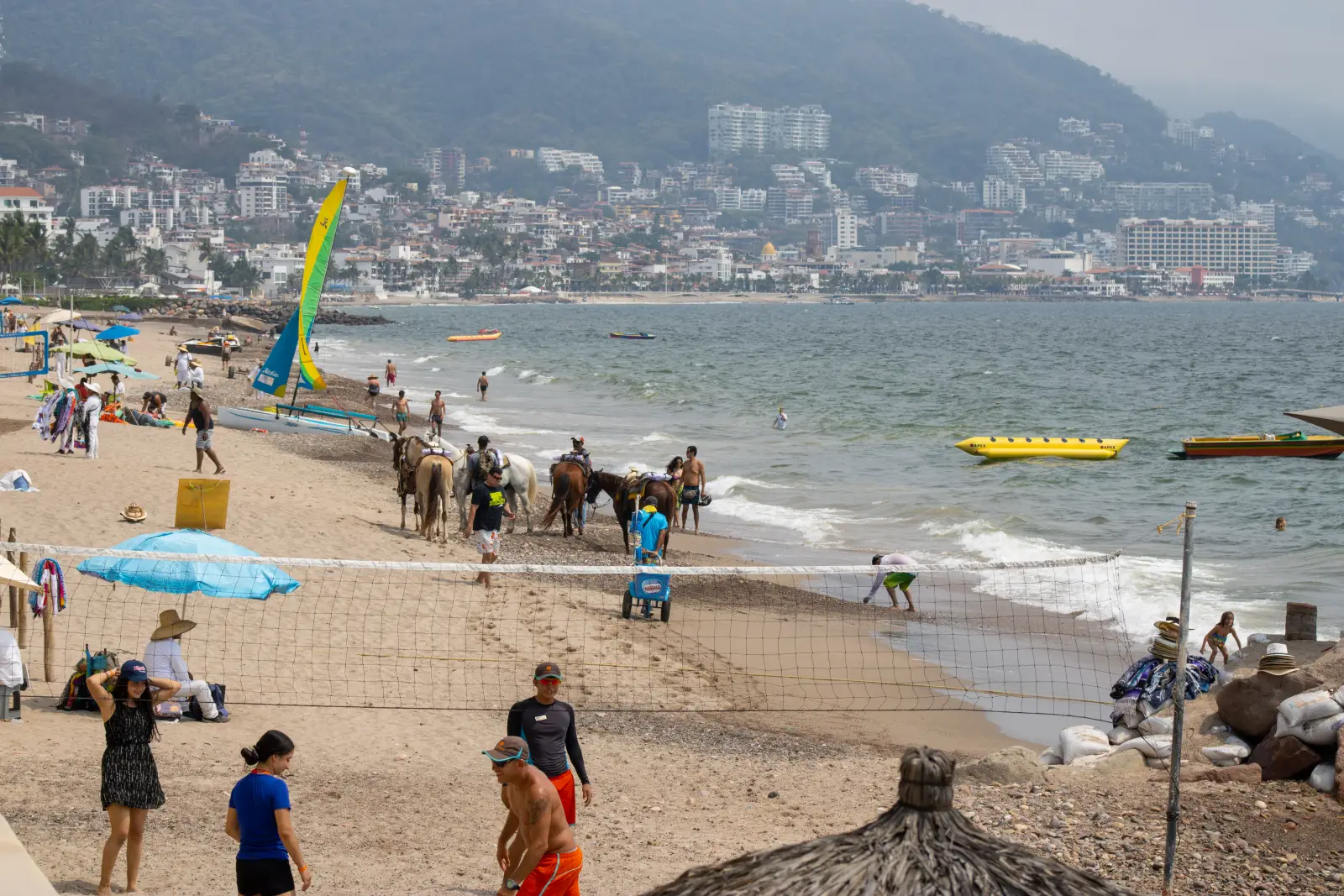
Mexico has declared five beaches unsafe for swimming after federal tests found contamination above official limits, including sites in two of the country’s best known coastal destinations.
The warning affects Playa del Cuale in Puerto Vallarta and Playa Principal in Puerto Escondido, while authorities said 98.3% of the national coastline passed water quality checks.
The beaches were identified during a nationwide monitoring programme carried out by federal health and environmental agencies. The results show that most of Mexico’s shoreline remains suitable for recreation, but officials urged visitors to check local advisories before entering the water.
The warning is likely to matter for international visitors heading to Mexico’s Pacific coast, where beach holidays are a major part of the travel economy. Puerto Vallarta in Jalisco and Puerto Escondido in Oaxaca are both popular with domestic and overseas tourists, especially during peak holiday periods.
The contamination finding does not mean all beaches in either destination are closed, but it does mean some specific stretches have been judged unsafe. Authorities have not said how long the advisory will remain in place, and water conditions can change after rain, runoff or other local pollution events.
Mexico carries out regular beach testing to assess levels of faecal contamination and other pollutants that can affect swimmer health. When readings exceed federal limits, public warnings are issued so that people can avoid exposure to potentially harmful water.
For travellers, the latest figures present a mixed picture. On one hand, the vast majority of Mexico’s coastline remains clean by official standards. On the other, the alert underlines that conditions can vary sharply from one beach to the next, even within the same resort town.
Tourists visiting Puerto Vallarta and Puerto Escondido are usually advised to look for local notices, ask hotel staff about current conditions and avoid swimming near river mouths, drains or visibly polluted water. Travel experts often say that checking official updates is especially important after storms, when contamination levels can rise quickly.
The findings are unlikely to dent Mexico’s overall appeal as a beach destination, given the scale of the clean results. But they do reinforce the importance of monitoring individual beaches rather than assuming all coastal waters are safe at all times.
Officials have not published any further details about remediation measures at the affected beaches. Until new test results are released, the safest approach for visitors is to follow local guidance and treat the warning as a sign that conditions may be temporarily unsafe for bathing.
Photo credit: Go My Media / Shutterstock.com