Satellite monitoring and regional authorities confirmed on April 14, 2026, that the Caribbean is experiencing record-high sargassum accumulations that threaten tourism infrastructure and public health across Mexico and the Antilles.
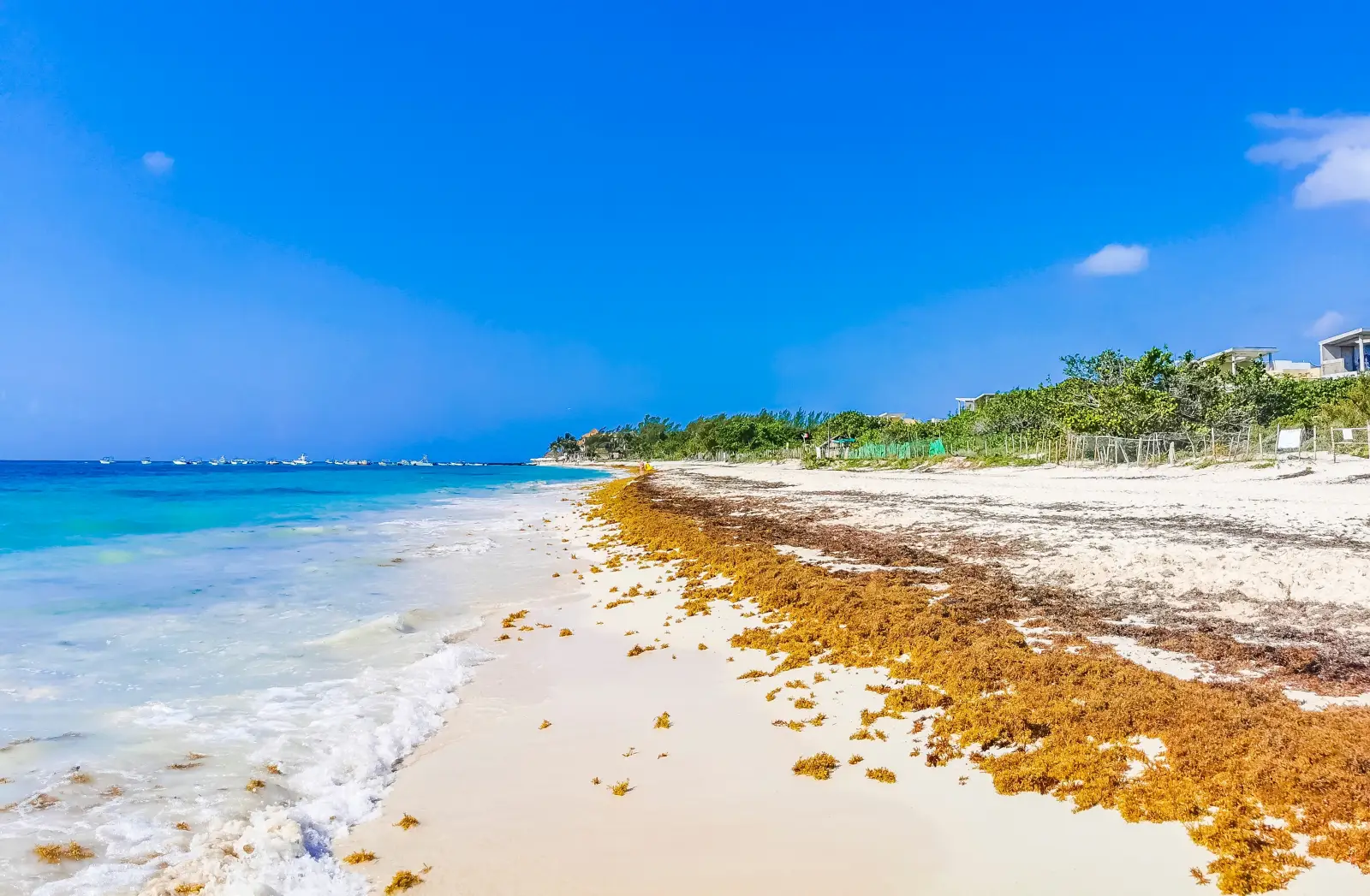
The University of South Florida and NOAA reported that seaweed levels in the Atlantic-wide bloom have reached historic peaks for the first quarter of the year. This influx has forced local municipalities to increase collection efforts as massive seaweed belts drift toward popular travel destinations during the peak Semana Santa holiday period.
The 2026 season is currently on track to surpass previous records, with three distinct sargassum masses moving simultaneously toward the Western Caribbean and Florida. Regional impacts range from localized infrastructure threats in the British Virgin Islands to significant beaching events in Cancun and Tulum.
Authorities are monitoring the situation as domestic and international travel surges during the Easter holidays, placing additional strain on cleanup resources and resort operations.
Regional Impact and Infrastructure Risks
The Mexican Caribbean has reported some of the highest impact levels, with Tulum alone collecting more than 244 tonnes of sargassum as of mid-April. This figure represents a fivefold increase compared to the same period in 2025, according to local reports. While major resorts in the Cancun Hotel Zone conduct daily cleaning, public beaches are experiencing significant buildup that has altered local swimming conditions and increased the risk of rip currents.
In the British Virgin Islands, officials issued a formal warning on April 11 regarding the impact of decomposing algae on desalination systems. The accumulation of seaweed near water intakes can contaminate tap water supplies and alter the odor of the local water grid. Additionally, the decomposition process releases hydrogen sulfide, prompting health warnings for individuals with respiratory sensitivities staying in beachfront accommodations.
Geographic Distribution and Safety Measures
Current data indicates that east-facing coastlines in the Lesser Antilles, including Barbados and Antigua, are seeing consistent influxes that are expected to peak in the coming months. Conversely, leeward locations such as the western coast of Cozumel and Seven Mile Beach in the Cayman Islands remain largely unaffected due to easterly trade winds. Florida and the Florida Keys have also begun reporting moderate beaching events that are projected to intensify by May 2026.
Safety personnel in Cancun have increased patrols during the holiday influx to manage beach hazards associated with the bloom. Lifeguards successfully rescued a child from the Hotel Zone surf on April 13, highlighting the combined risks of heavy seaweed and moderate rip currents. Travelers are advised to utilize live tracking systems and prioritize inland freshwater locations like cenotes to avoid the peak accumulations currently affecting the Caribbean coastline.
Photo Credit: Arkadij Schell / Shutterstock.com