As summer travel picks up across Europe, the U.S. State Department is advising Americans headed to Italy to stay alert. A new advisory highlights a rising risk of terrorism, with concerns that crowded sites like museums, open-air markets, and local festivals could be vulnerable to attacks.
It’s a reminder that even in the world’s most visited cities, the balance between wanderlust and security can shift quickly.
Why the Advisory Was Issued
On May 31, 2025, the U.S. government updated its travel advisory for Italy to Level 2: “Exercise Increased Caution.” While this is not the highest level of warning, it does indicate that travelers should remain vigilant due to the potential for terrorist activity. According to the advisory, “terrorists may attack with little or no warning,” targeting locations that attract large crowds or symbolize local culture.
There is no specific threat or known plot currently identified. Instead, the warning reflects ongoing security concerns in Europe related to global instability and lone-wolf attacks that have occurred in other major cities in recent years. Italian security services remain on high alert, particularly in areas frequented by tourists and at major events.
What Areas Are Considered High Risk?
The advisory outlines a range of potential targets that could be vulnerable to attacks:
- Popular tourist sites like the Colosseum, Vatican City, and Florence’s historic center
- Transportation centers including metro stations, train terminals, and airports
- Shopping areas, outdoor markets, and pedestrian zones
- Hotels, cafes, and restaurants in tourist districts
- Public parks, religious sites, schools, and government buildings
- Sporting events and large festivals or public gatherings
While these may sound alarming, the advisory is not meant to discourage travel. Instead, it serves as a prompt for travelers to be more aware of their surroundings and to make informed choices during their visit.
What Travelers Should Do
Officials recommend that anyone planning to travel to Italy take a few basic precautions to stay safe:
- Stay alert in crowded areas, especially around major landmarks.
- Monitor local news and be prepared to change your plans in response to security updates.
- Enroll in the Smart Traveler Enrollment Program (STEP) to receive alerts and allow the U.S. Embassy to assist you in case of an emergency.
- Review the Country Security Report for Italy for detailed guidance on safety and emergency planning.
- Be mindful in transportation hubs where security may be tight, and lines could be longer due to inspections.
These steps are similar to those recommended for travel to any major city with high tourism traffic. The key message is preparedness—not panic.
How Italy Is Responding
Italy has long been considered one of the safest countries in Europe, but like many Western nations, it faces occasional threats from terrorism. The Italian government regularly coordinates with European and international intelligence agencies to assess and mitigate risks.
Security measures at major transportation hubs and tourist sites are common. Armed police officers are often visible in city centers, especially during holidays, religious observances, and high-profile events. Italian authorities also conduct random bag checks and vehicle inspections in certain zones.
Despite the elevated alert, there have been no recent incidents reported, and Italy remains open for tourism. Travelers continue to arrive in large numbers, especially with the approach of peak summer travel season. Major attractions, including museums, archaeological sites, and historical landmarks, are operating normally with standard safety protocols in place.
Public Reaction and Tourism Impact
So far, the advisory has not triggered widespread cancellations or travel bans. Tour operators and hotel chains report business as usual, though some have taken the opportunity to remind guests of general safety tips. Many experienced travelers note that similar advisories have been issued in the past for France, the United Kingdom, and Germany—countries that continue to receive millions of visitors annually.
For most tourists, the announcement is a reminder to travel smartly rather than avoid travel altogether. Wearing a crossbody bag, staying off your phone in crowded places, and keeping backup documents are simple habits that contribute to overall safety and peace of mind.
Putting the Risk in Context
According to the U.S. State Department, Level 2 advisories are common and cover a wide range of destinations, including Spain, Costa Rica, and South Africa. These warnings are issued not because travel is inherently dangerous, but because certain risks exist that travelers should be aware of. In Italy’s case, the focus is terrorism, but there are no specific restrictions or mandatory security measures for Americans entering the country.
Moreover, Italy continues to attract travelers of all ages—from solo backpackers exploring Tuscany to families enjoying the Amalfi Coast. The country’s excellent rail network, healthcare infrastructure, and established tourism industry provide reassurance for cautious travelers.
Final Advice for Travelers
If you’re planning a trip to Italy this year, here are a few final tips to keep in mind:
- Download offline maps and emergency contacts before your trip.
- Carry a small first aid kit and copies of your travel documents.
- Have an emergency meeting point with your group in case you get separated.
- Be polite but firm if approached by strangers in tourist areas—scams are rare but do occur.
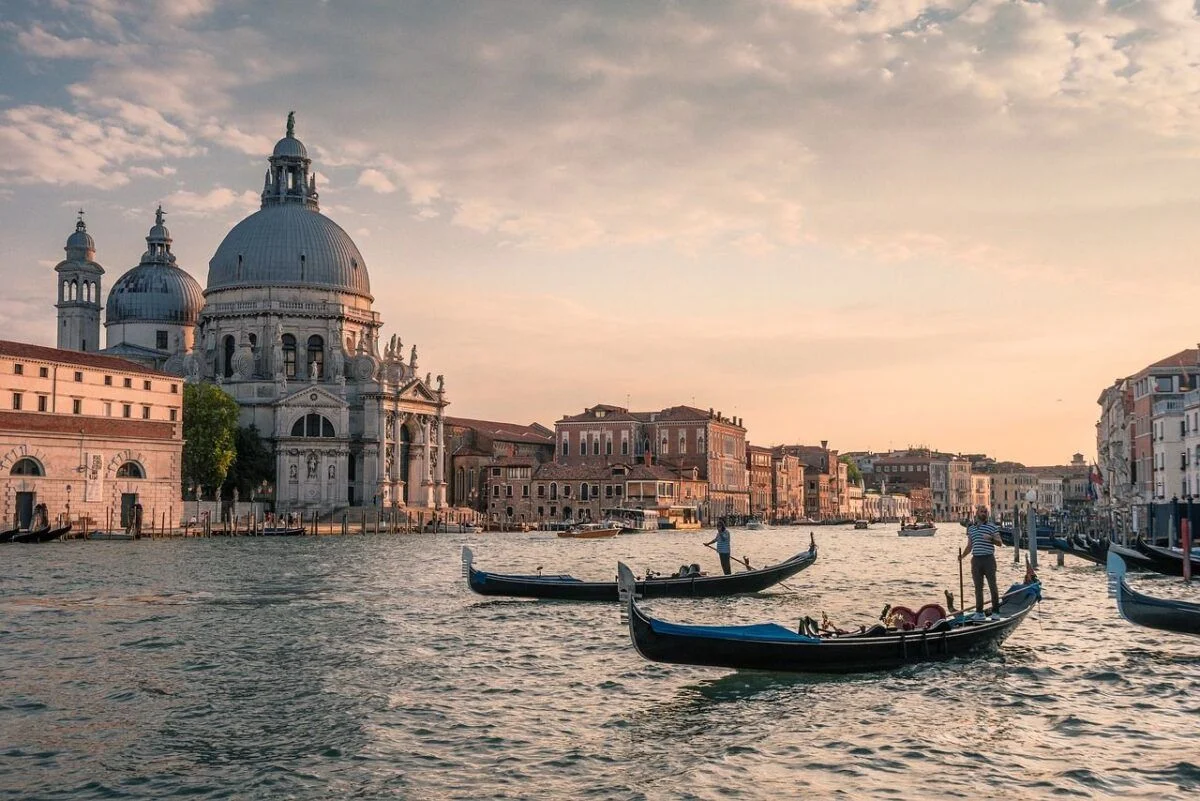
Italy remains one of the world’s most iconic travel destinations. From the canals of Venice to the ancient ruins of Rome, its charm endures. The new advisory is not a reason to cancel your plans—but it is a reason to be more aware, stay informed, and take common-sense steps to protect yourself while enjoying your journey.