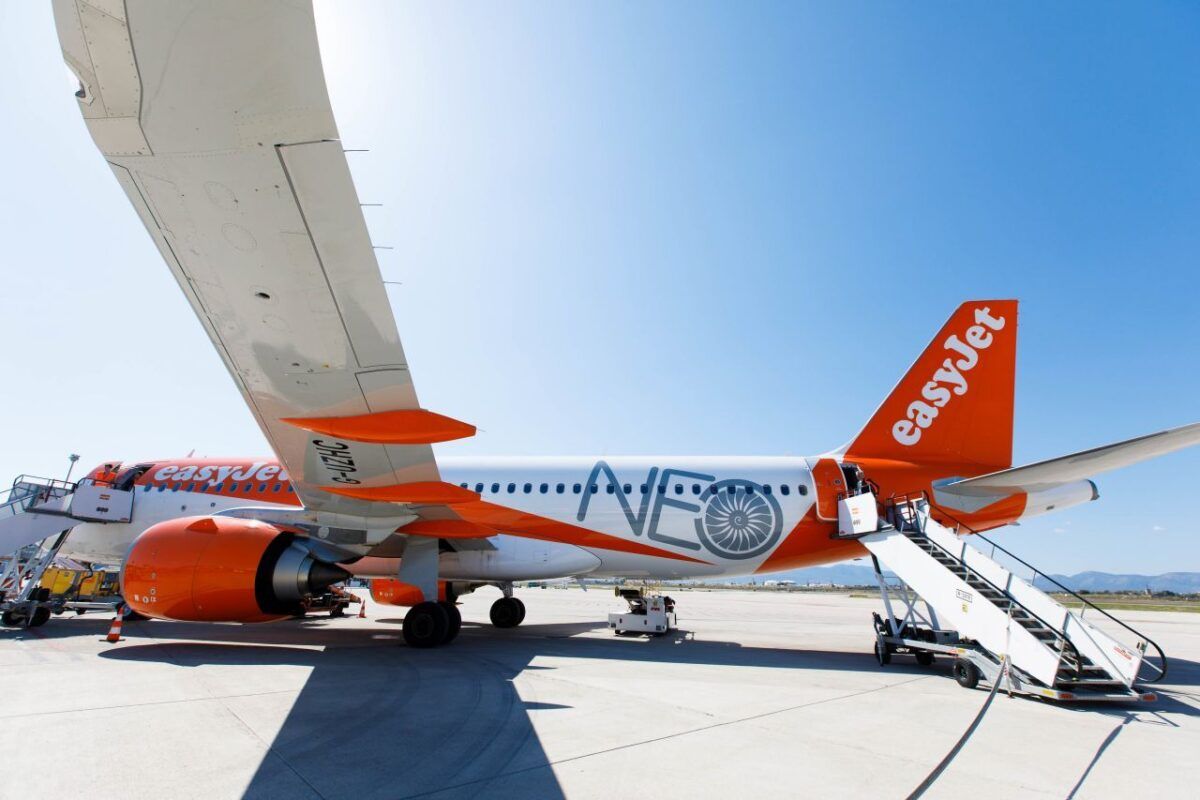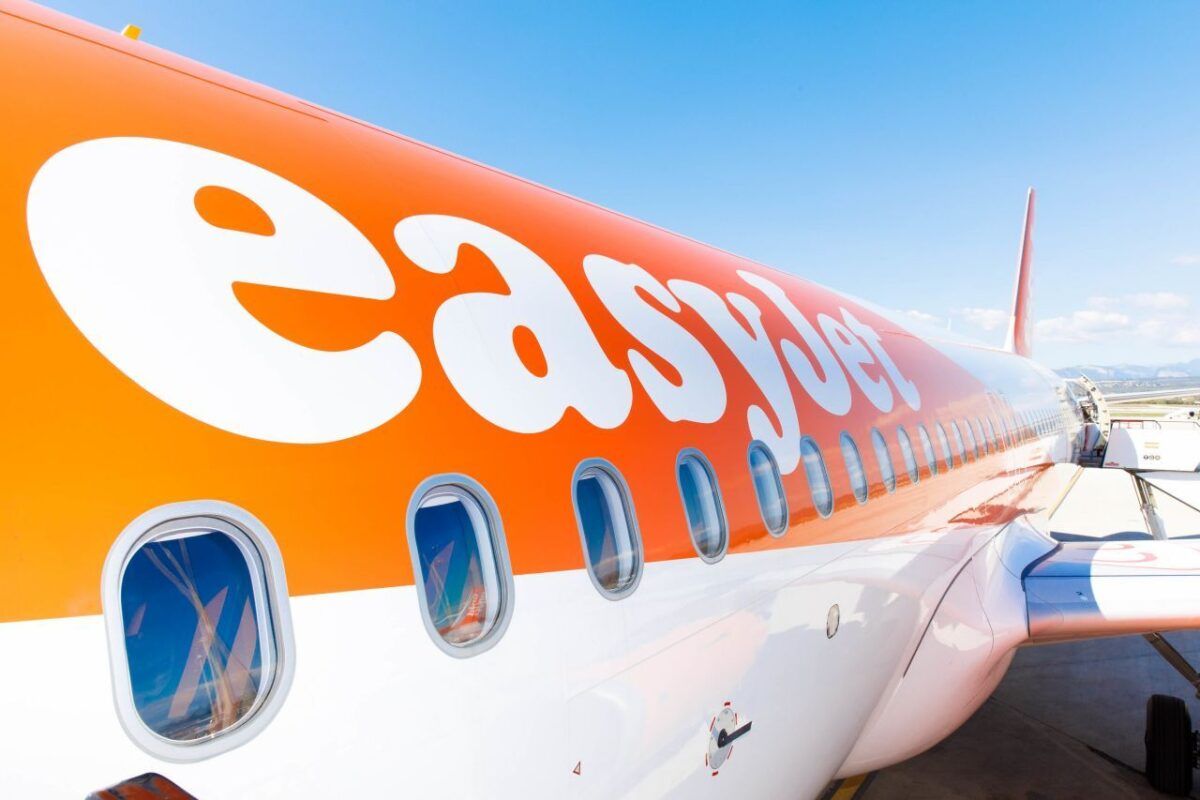
As the easyJet strike continues, passengers should know their rights as Spain’s Facua consumer group reminds travelers that European Union rules guarantee refunds, compensation and assistance even when staff walkouts disrupt flights.
The ongoing strike, which affected hundreds of easyJet flights over several days in Spanish airports such as Palma de Mallorca, Málaga, Alicante, and Barcelona, has led Facua to issue a public reminder about what passengers can and should claim.
Many travellers are unaware of the strict obligations imposed on airlines, which include not just straightforward refunds but also compensation payments that can amount to hundreds of euros per traveller, coverage of additional costs incurred due to cancellations, and even accommodation and meals if they are stranded overnight. For anyone caught up in the disruption, knowing these rules is the first step toward avoiding financial loss and ensuring fair treatment.
During the easyJet strike, know your passenger rights under EU261
Facua’s message centres on the European regulation EU261/2004, which was designed to protect passengers facing delays and cancellations. According to EU law, strikes by airline workers do not count as “extraordinary circumstances” that would exempt a carrier from paying compensation. This legal interpretation was confirmed by an April 2018 ruling by the European Court of Justice (ECJ), which declared that even walkouts organized by staff fall within an airline’s control and therefore do not let them off the hook for payments owed to travellers.
This is vital information for easyJet passengers affected by the current cabin crew strike in Spain. Despite the operational challenges that strikes pose for airlines, EU261 obliges carriers to offer affected travellers a choice between re-routing at the earliest opportunity or a full refund. In addition, passengers may claim compensation ranging from €250 to €600 depending on the distance of the flight and the length of the delay at arrival compared to the original schedule.
Here’s a quick guide to the standard compensation amounts under EU261:
| Flight Distance | Compensation Amount |
|---|---|
| Up to 1,500 km | €250 |
| Intra-EU over 1,500 km | €400 |
| 1,500–3,500 km (non-EU) | €400 |
| Over 3,500 km | €600 |
Exceptions and Conditions for Compensation
While EU261 is very passenger-friendly, there are specific conditions under which airlines can reduce or avoid paying full compensation. Facua emphasizes that airlines are exempt if they inform passengers of the cancellation with sufficient notice or if they offer alternative flights that minimize the delay. For example, no compensation is owed if passengers are informed:
- At least two weeks before the scheduled departure.
- Between two weeks and seven days in advance, and offered re-routing departing no more than two hours earlier and arriving less than four hours later than the original flight.
- Less than seven days in advance, but with re-routing departing no more than one hour earlier and arriving less than two hours later.
Additionally, airlines can reduce compensation by 50% if they provide an alternative flight that arrives within certain timeframes. These reductions apply when:
- The new flight arrives within two hours of the original schedule for flights up to 1,500 km.
- Within three hours for intra-EU flights over 1,500 km and all other flights between 1,500 and 3,500 km.
- Within four hours for flights over 3,500 km.
Facua’s detailed breakdown helps passengers understand when they’re still entitled to compensation, even if the airline tries to mitigate delays by rebooking them. Airlines must communicate these rights clearly, but in practice, many passengers are unaware of them, making public reminders essential during disruptive events like strikes.
Rights to Refunds and Alternative Transport
Beyond compensation, EU261 ensures that affected travellers can choose between a full refund or an alternative flight to their destination. If easyJet cancels a flight due to the strike, it must refund the full ticket price within seven days if requested. Alternatively, passengers may accept re-routing on the next available flight, even with another carrier if easyJet cannot accommodate them quickly.
Facua also reminds passengers that airlines are responsible for covering “reasonable costs” incurred because of the cancellation. This includes accommodation if an overnight stay is necessary, transport between the airport and hotel, and even meals and refreshments proportional to the delay. Under Article 9 of the regulation, these rights apply regardless of the cause of the cancellation—including strikes—meaning that easyJet must make arrangements or reimburse expenses even while disputing pay with its staff.
The EU Court of Justice has further clarified that these rules extend to flights that are delayed by more than three hours upon arrival. A landmark 2017 ruling confirmed that significant delays grant passengers the same compensation rights as outright cancellations. This is particularly important in strike scenarios where airlines might try to operate with skeleton crews, leading to longer-than-expected delays rather than clear-cut cancellations.
Claiming Additional Damages Beyond EU Compensation
While EU261 sets standardized compensation levels, it doesn’t limit passengers’ rights to seek further damages. Facua notes that travellers can also claim reimbursement for additional losses suffered because of the cancellation, including missed connections on other airlines, pre-booked hotels, car rentals, package tours, and even moral damages like lost vacation days. Though these claims may require negotiation or legal support, they provide another avenue for affected passengers to recover costs that exceed the basic compensation amounts.
Consumers should keep all receipts and documentation related to their disrupted journey to strengthen any claims. Facua encourages passengers to submit formal complaints to easyJet first, using the airline’s own channels, before escalating to aviation regulators or consumer protection bodies if necessary. Spain’s Ministry of Transport and its regional equivalents also maintain dedicated channels for handling air passenger rights disputes, offering further recourse for those who feel their claims are being ignored or unfairly denied.
For Spain’s tourism sector, ensuring these rights are upheld is vital to maintaining traveller confidence during the busy summer season. And for individual passengers, knowing the rules means avoiding unnecessary stress, unexpected costs, and unfair treatment when plans go awry due to airline labour conflicts.