A nationwide general strike across Portugal on Wednesday brought air travel to a near standstill and shut down much of the country’s public transport, as workers walked out in protest against the government’s proposed labour reforms.
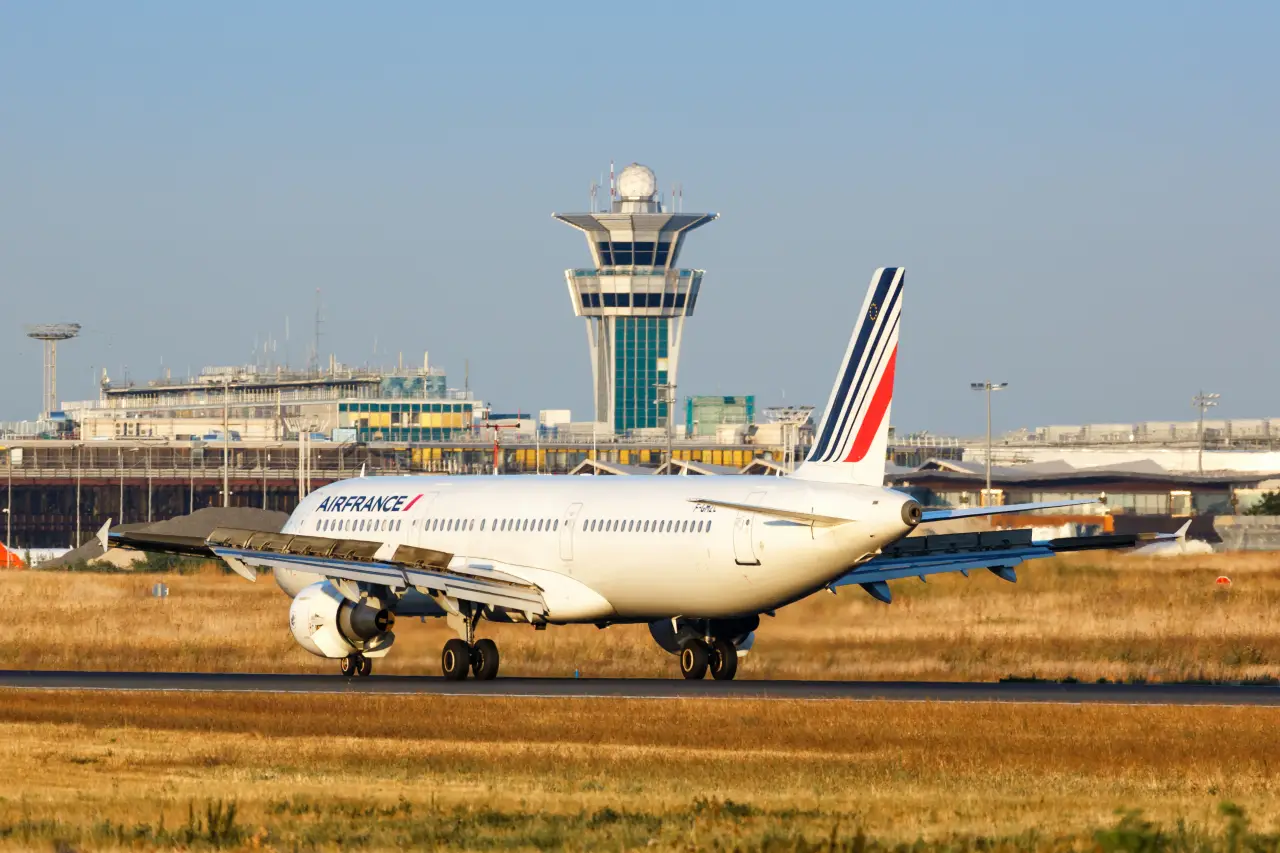
Airline industry estimates put more than 500 flights at risk of cancellation or delay over the course of the day. TAP Air Portugal, the country’s flag carrier, was hit hardest, cancelling up to 300 services and operating only 79 minimum-service flights.
By midday, official airport operator figures showed at least 43 arriving and 46 departing flights cancelled at Lisbon’s Humberto Delgado Airport. Porto’s Francisco Sá Carneiro Airport recorded 29 cancelled arrivals and 27 departures, while Faro lost 21 arrivals and 23 departures.
The disruption extended well beyond Portugal’s borders. Air Europa cancelled all flights between Madrid and both Lisbon and Porto for the day. Ryanair said it did not expect disruption and intended to run its full schedule, while easyJet warned that some disruption was possible from its Portuguese bases.
Public transport was equally affected. The Lisbon Metro came to a complete standstill, as no minimum service was in place. Unions representing staff at rail operator Comboios de Portugal confirmed their participation, alongside the transport union FECTRANS, leaving long-distance and local train services heavily reduced.
The impact reached into hospitals and schools as well. Several National Health Service hospital units saw an almost total walkout during the night shift, with most surgeries and appointments postponed. Many schools across the country remained closed.
The strike was called by CGTP, Portugal’s largest trade union confederation, in opposition to the government’s proposed labour reform package known as “Trabalho XXI.” Unions say the plan would make it easier for companies to dismiss employees and would loosen limits on outsourcing, describing it as a serious rollback of long-standing worker protections.
The government moved quickly to play down the strike’s reach. The Minister for Labour, Maria Rosário da Palma Ramalho, told a press conference that the overwhelming majority of workers were at their jobs and that the country was functioning normally. She cited business confederation data showing residual participation in the private sector, while acknowledging higher turnout across public services.
Travellers should brace for knock-on effects beyond Wednesday. Recovery from a day of mass cancellations does not happen instantly, as aircraft and crews can end up out of position, meaning ripple delays are likely on Thursday and Friday. TAP has said affected passengers can change their travel dates without additional charges through Manage Booking at its website.
Photo Credit: max.ku / Shutterstock.com