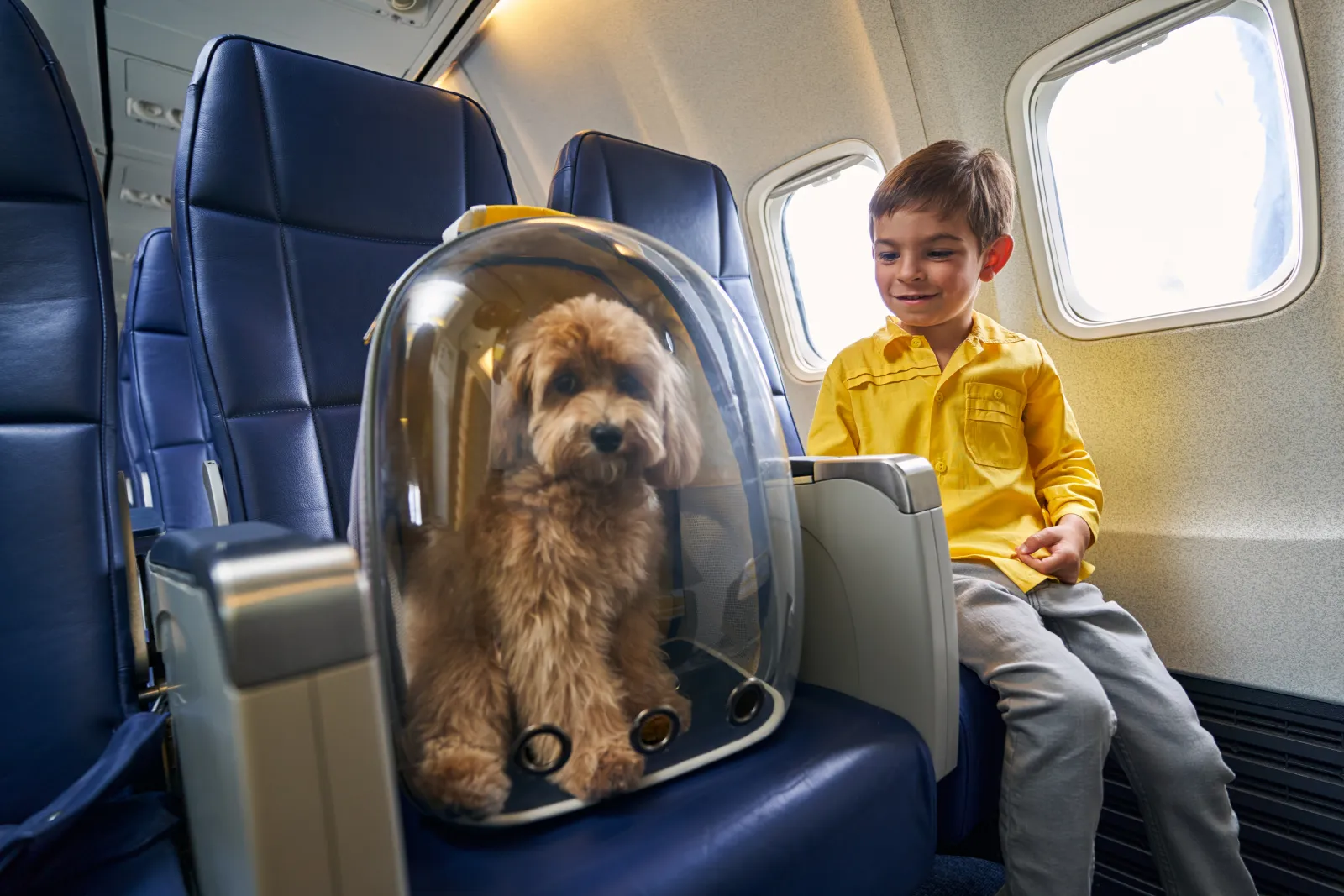
The unexpected truth behind Spain’s love for pet travel is that it’s not simply a trend—it’s an evolving cultural shift that’s placing the Iberian Peninsula at the heart of Europe’s pet-friendly movement.
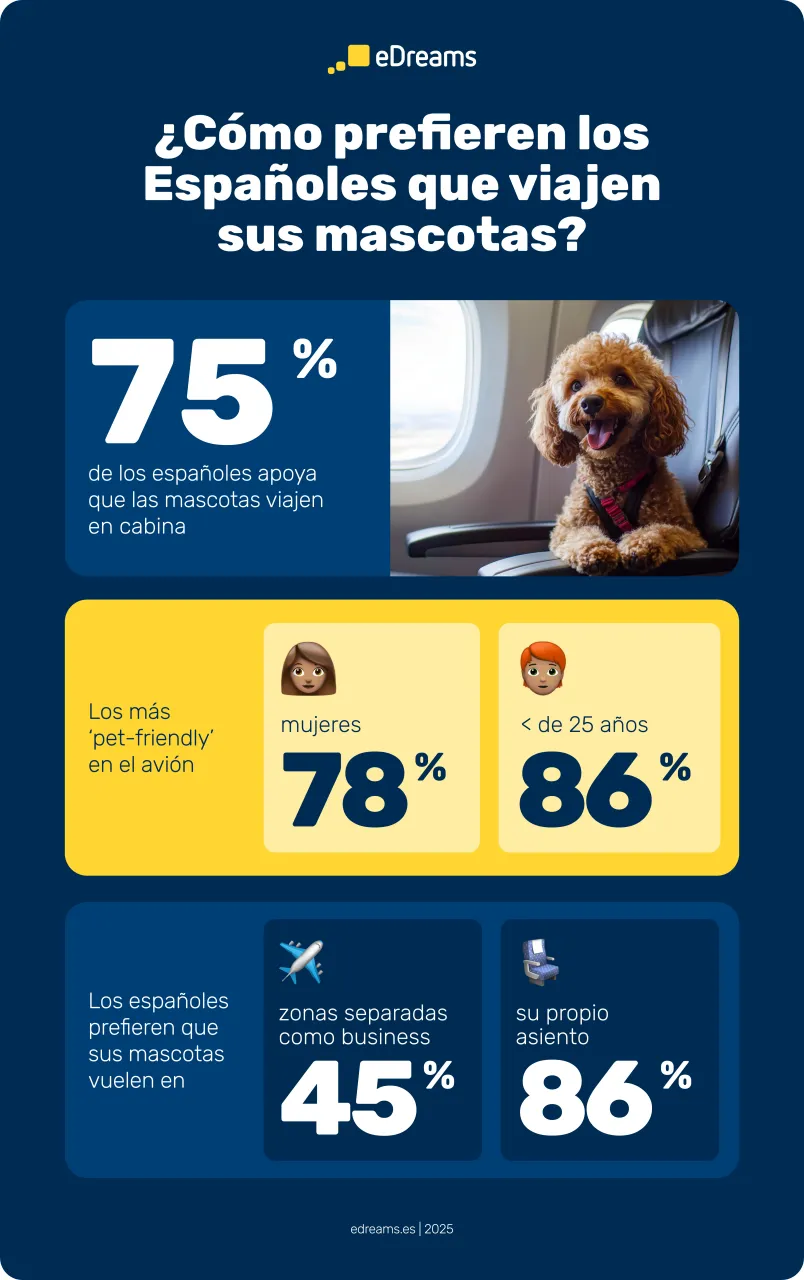
According to new survey data from eDreams, Spain and Portugal have emerged as the most pet-friendly travel nations in Europe, a surprising development that reveals deep social changes and economic opportunities. The data offers a window into how travelers across Southern Europe are transforming the way we think about tourism, hospitality, and even everyday mobility with pets.
This international survey uncovers not only where travelers are heading with their furry companions, but also what they want, what they fear, and how local infrastructure is adapting. By exploring why Spain and Portugal stand out, the study exposes valuable insights for pet owners planning trips, tourism businesses looking to adapt, and anyone curious about Europe’s evolving travel landscape. It also hints at future trends that could redefine travel across the continent as more people demand inclusive, animal-friendly services and experiences.
Spain and Portugal: Leading the Pack in Pet-Friendly Travel
At first glance, it might seem surprising that Spain and Portugal lead Europe in pet-friendly travel, especially when many travelers traditionally associate pet-friendly policies with Northern European destinations like Germany or the Netherlands. However, eDreams’ international survey suggests that Southern Europe is rapidly embracing pets as integral travel companions. This shift reflects broader cultural changes in attitudes toward animals, where dogs and cats have become family members rather than merely pets.
According to the survey results, Spanish and Portuguese travelers report the highest rates of bringing their pets along on holidays within Europe. In part, this is due to increasing infrastructure—from pet-friendly hotels and short-term rentals to restaurants with dedicated spaces for animals. In Spain, entire regions are marketing themselves as dog-friendly, complete with beaches where dogs are welcome year-round and hotels that provide pet beds, bowls, and welcome packages upon arrival.
Portugal is keeping pace with an equally impressive set of initiatives. Cafés and restaurants in Lisbon and Porto have embraced the pet-friendly label, while rural tourism operators promote dog-friendly hiking trails and accommodation. Combined, these offerings make travel easier for pet owners, who might otherwise have to navigate a patchwork of rules and restrictions across Europe.
Pet Travel Infrastructure: More Than Just a Bed
One of the survey’s most striking findings is how much travelers value well-thought-out infrastructure for pets. For Spanish and Portuguese respondents, it’s not enough to simply allow pets—they want places that genuinely welcome them. This includes amenities such as:
- Pet-friendly hotel rooms with beds, bowls, and treats
- Outdoor dining spaces with shaded areas for dogs
- Beaches and parks with off-leash areas
- Public transport that permits pets without hassle
- Veterinary services available in tourist zones
Such features aren’t just nice extras—they’re essential for pet owners deciding where to travel. In Spain, cities like Barcelona and Valencia have adopted comprehensive policies that make it easier to move around with pets, while Portugal’s scenic coastline offers countless walking trails that welcome dogs, often with water stations and waste disposal points.
Why Southern Europe is Embracing Pet Travel
While eDreams’ survey results shine a light on the practical aspects of pet-friendly travel, they also point to deeper cultural dynamics. In both Spain and Portugal, pet ownership has surged over the past decade, with more urban professionals adopting dogs and cats as part of increasingly small and mobile households. This demographic shift has pressured cities, transport systems, and tourism operators to rethink how they accommodate pets.
The survey suggests that this demand is also pushing brands and tourism boards to compete for pet-friendly credentials. It’s no longer a niche market. Instead, it’s a mainstream expectation that has become a key part of destination marketing, particularly in regions hoping to attract younger, affluent travelers who see their pets as part of their identity and lifestyle.
Interestingly, this movement has created economic opportunities for local businesses. Pet-friendly hotels can charge premiums for dedicated amenities, while restaurants and attractions that welcome animals report increased foot traffic and customer loyalty. The ripple effect includes higher demand for pet grooming, pet-sitting, and veterinary services in tourist hotspots, supporting jobs and local economies.
The Emotional Value of Pet-Friendly Travel
Beyond logistics and infrastructure, the survey underscores the powerful emotional connection between travelers and their animals. For many, leaving a pet behind isn’t just inconvenient—it’s heartbreaking. Pet owners in Spain and Portugal are leading the charge in refusing to make that compromise, instead demanding travel experiences that allow them to share adventures with their furry companions.
By recognizing this bond, tourism operators are tapping into an emotional driver that can’t be ignored. A hotel that welcomes pets signals that it understands its guests’ needs on a deeper level, while a city that invests in dog-friendly spaces projects a modern, inclusive image that resonates with residents and visitors alike. This isn’t just about marketing—it’s about empathy and connection.
As eDreams’ survey reveals, the pet-friendly travel revolution isn’t simply a collection of individual choices. It’s a collective shift in expectations, signaling that travelers no longer see their pets as obstacles but as partners in exploration. This redefinition of travel reflects broader cultural trends valuing flexibility, inclusion, and well-being.
Pet-Friendly Travel Trends Across Europe
Spain and Portugal may top the survey, but the demand for pet-friendly travel is surging across Europe. The eDreams survey suggests a Europe-wide shift toward more inclusive tourism models, as other countries catch up to the Iberian leaders. Cities in Italy, France, and Germany are increasingly adapting their infrastructure and marketing strategies to welcome pets, recognizing the commercial advantages of doing so.
However, the study also highlights regional differences in adoption. While Southern Europe is leading the way with lifestyle-driven adaptations and tourism marketing, Northern Europe’s pet-friendly culture often stems from broader social policies around animal welfare. This distinction suggests different growth trajectories for pet travel infrastructure depending on local customs, laws, and tourism strategies.
As pet ownership continues to rise globally and travelers seek more meaningful, human-centered experiences, Europe’s tourism industry faces both a challenge and an opportunity: adapt to the needs of pet owners, or risk losing a loyal and growing market segment.
| Key Features of Pet-Friendly Travel | Examples in Spain and Portugal |
|---|---|
| Dedicated pet-friendly hotels | Special rooms, welcome packages, on-site services |
| Outdoor dining with pets | Shaded seating, water bowls, pet menus |
| Beaches and parks access | Year-round dog-friendly beaches, off-leash parks |
| Public transport policies | Pet access with minimal restrictions |
| Marketing and tourism campaigns | Destination branding as pet-friendly |
In the end, the unexpected truth behind Spain’s love for pet travel is that it reflects more than a convenient service or a marketing strategy—it’s a fundamental rethinking of travel itself. By centering experiences around the bonds between people and their animals, Spain and Portugal are not only meeting demand but also setting an example for a more compassionate, inclusive, and human form of tourism that other destinations are now eager to follow.
Photo Credit: Svitlana Hulko / Shutterstock.com