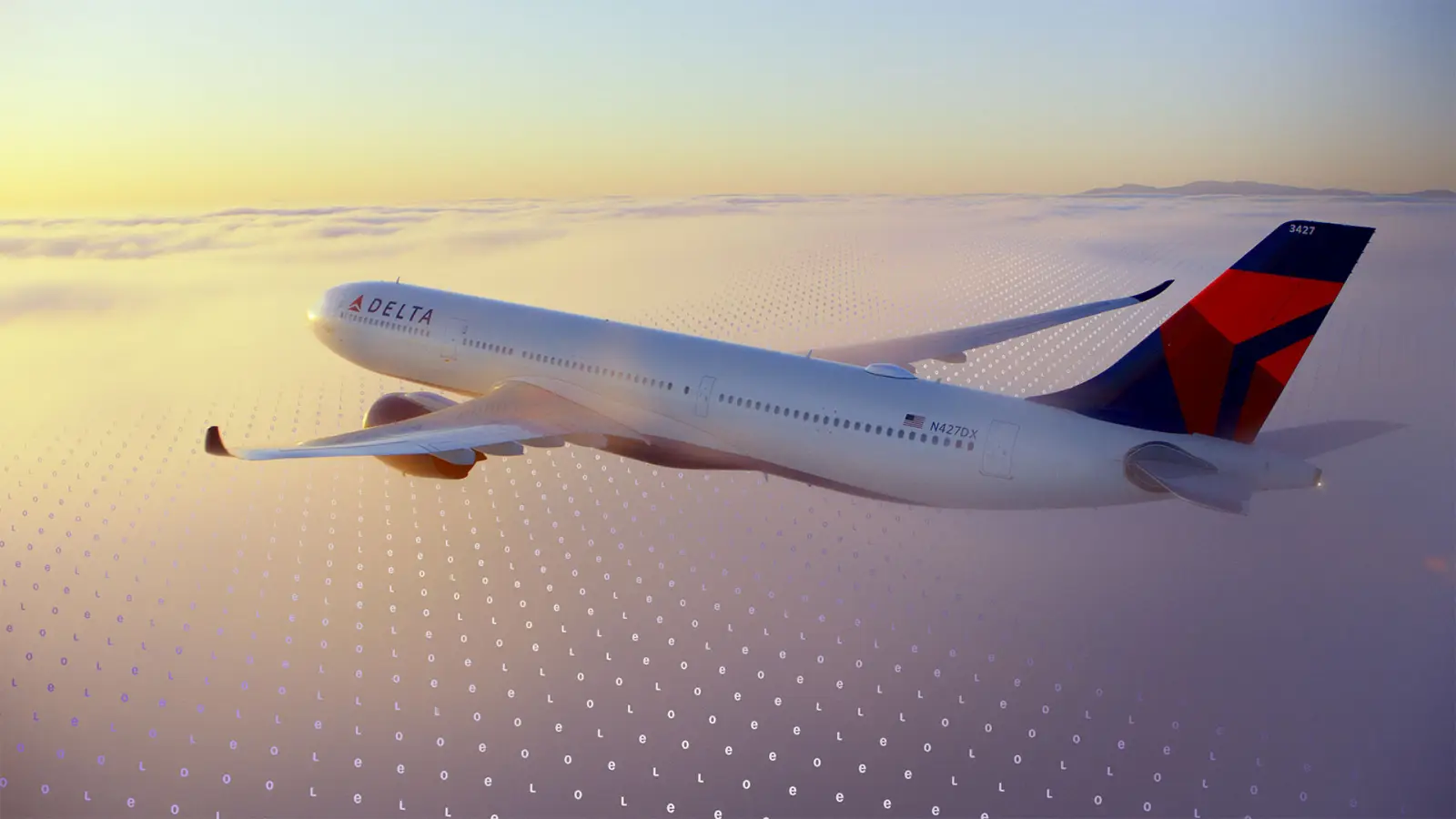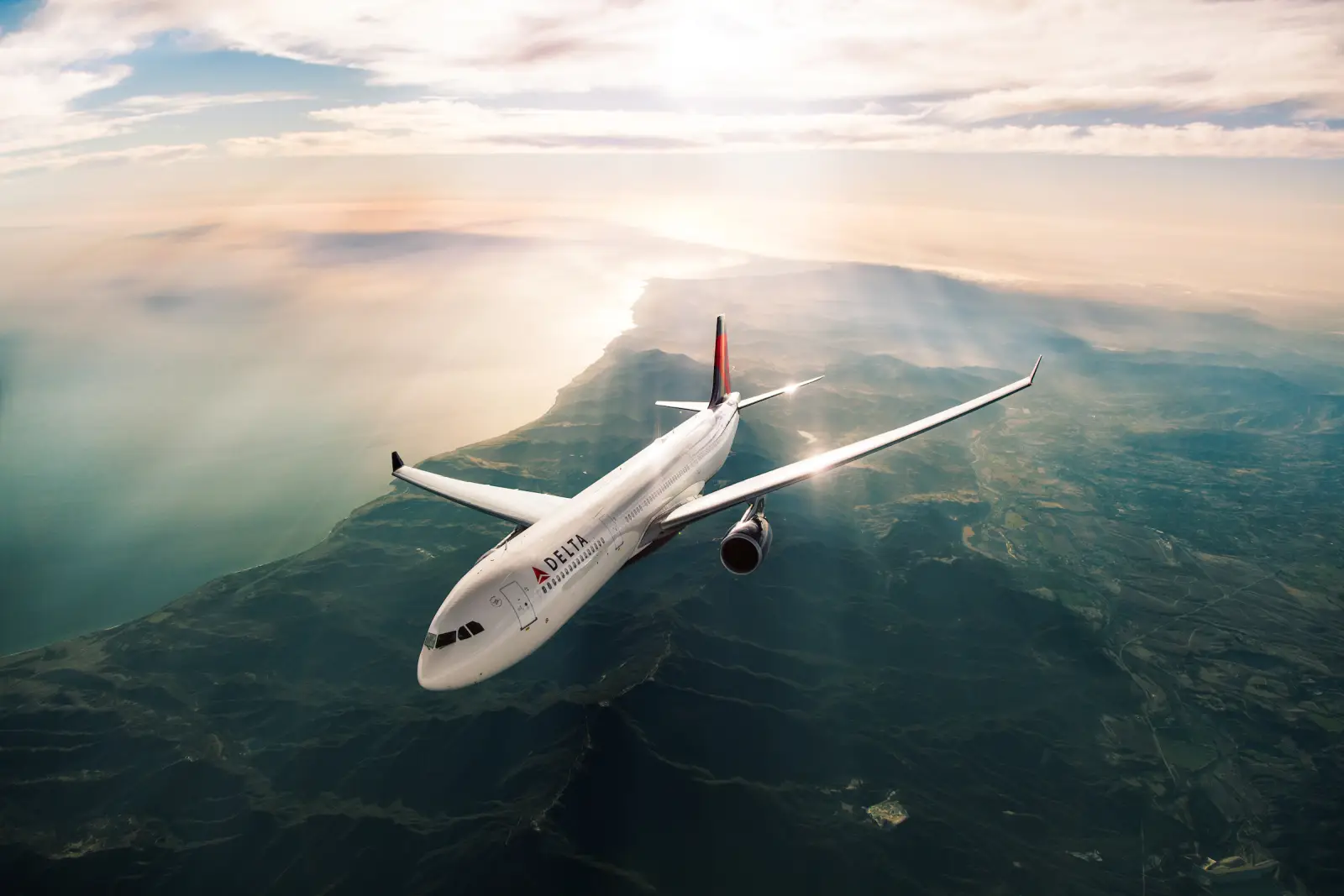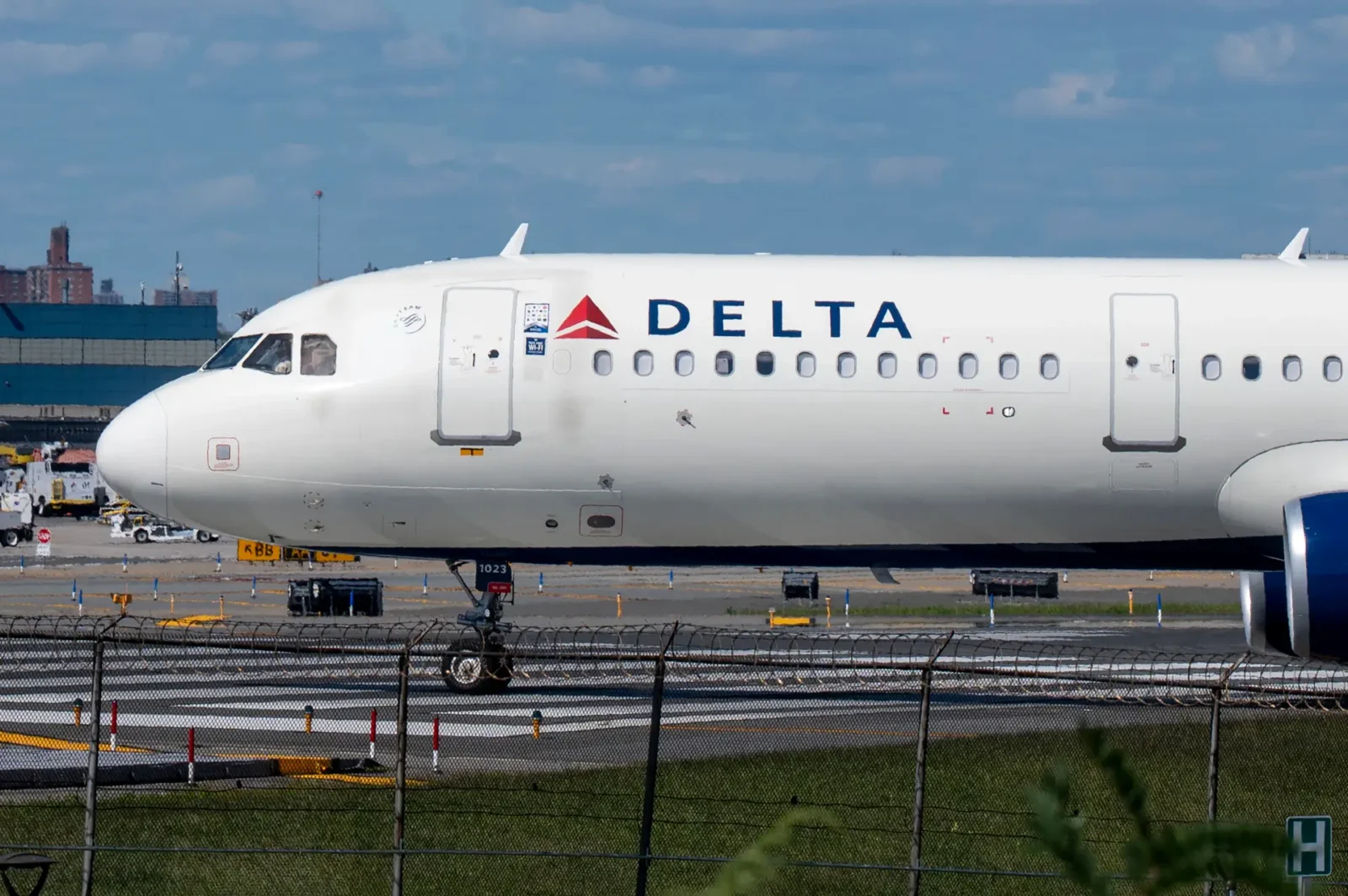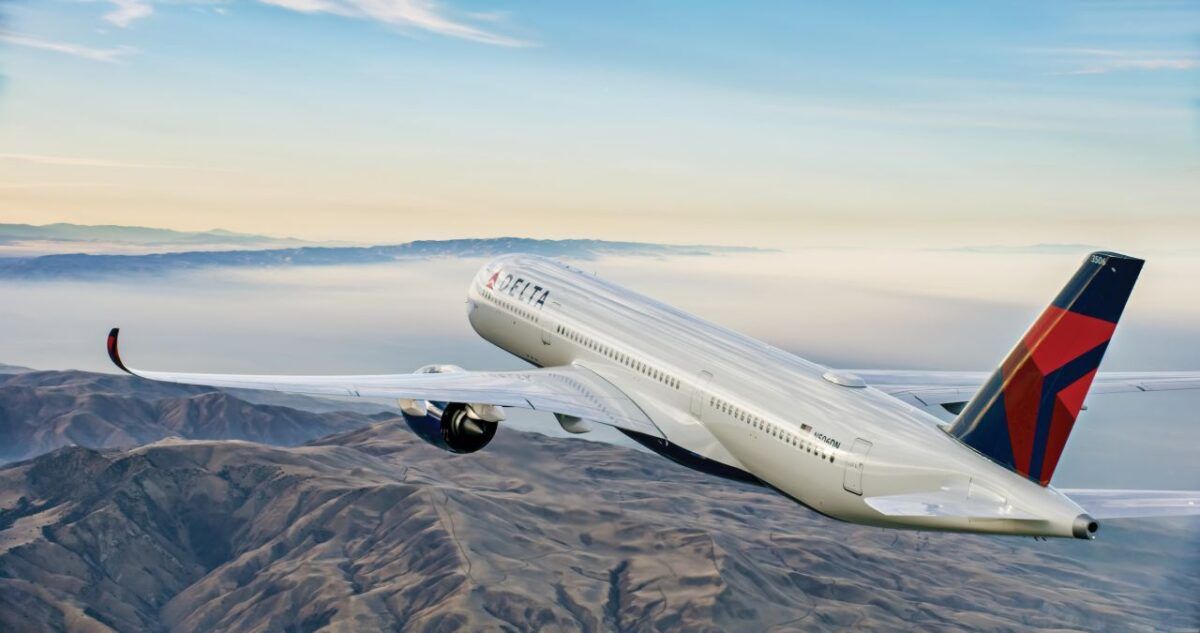
Passengers on a Delta Air Lines flight from Salt Lake City to Amsterdam experienced a terrifying ordeal this week when the aircraft encountered severe turbulence mid-flight. The Airbus A330-900, carrying 275 passengers and 13 crew members, was forced to divert to Minneapolis-St. Paul, where emergency crews awaited its arrival. According to the airline, 25 passengers were injured and required hospitalization for evaluation and treatment.
The incident occurred on Wednesday afternoon, turning a transatlantic journey into a frightening reminder of how unpredictable air travel can be. Emergency responders boarded the aircraft immediately upon landing to assist the injured, and passengers recounted moments of panic as the turbulence threw some travelers around the cabin.
Passengers Describe Chaos in the Cabin
While turbulence is a common occurrence during flights, passengers described this incident as extreme. One traveler, Leann Clement-Nash, told ABC News that the jolt was unlike anything she had experienced before. “They hit the ceiling and then fell to the floor,” she said, describing passengers who were not wearing seatbelts. “People were injured, and it happened multiple times, so it was really scary.”
Airline officials confirmed that the flight crew followed all safety protocols, and the pilots made the decision to divert out of an abundance of caution. Delta later issued a statement thanking first responders for their swift assistance, while also expressing concern for those injured.
Growing Concerns About Turbulence in Air Travel
Although commercial air travel remains one of the safest modes of transportation, turbulence-related injuries have been drawing increasing attention in recent years. Scientists note that climate change may be intensifying instances of clear-air turbulence—sudden, violent air currents that occur without visible warning such as clouds or storms.
Severe turbulence incidents like the one on Delta Flight 266 are still relatively rare. According to the Federal Aviation Administration (FAA), the majority of turbulence injuries occur when passengers are not wearing seatbelts. This recent incident serves as a reminder of the importance of heeding the crew’s instructions to remain seated whenever possible.
Other Turbulence Incidents in 2024–2025
Delta’s turbulence incident is part of a troubling trend of mid-air disruptions over the past year. Several flights worldwide have been forced to divert or experienced injuries due to sudden air disturbances. Among the notable cases:
- In June, an American Airlines flight from Miami to Raleigh-Durham experienced severe turbulence, sending five passengers to the hospital for evaluation.
- Earlier in June, a Ryanair flight from Berlin to Milan made an emergency landing in southern Germany after nine passengers and one crew member were injured by turbulence.
- In March, a United Airlines flight from San Francisco to Singapore encountered extreme turbulence over the Philippines, injuring five passengers.
- In May 2024, a Singapore Airlines flight struck severe turbulence, resulting in the death of one passenger—the first turbulence-related fatality on a major airline in decades.
Such incidents illustrate that while the risk of catastrophic accidents from turbulence remains low, injuries to unrestrained passengers are a persistent hazard. Aviation experts often emphasize that keeping your seatbelt fastened at all times, even when the seatbelt sign is off, is one of the simplest and most effective safety measures.
Safety Measures and Airline Response
In response to the turbulence, Delta Air Lines reiterated its commitment to passenger safety. The airline stated that its crew followed all required protocols, including immediately notifying emergency services. Passengers were evaluated on-site, and 25 were transported to local hospitals for further observation.
Experts point out that airlines have sophisticated weather and radar systems to help pilots avoid turbulent regions whenever possible. However, clear-air turbulence remains difficult to detect until the aircraft is already encountering the disturbance. This unpredictability is why airlines continuously urge passengers to remain buckled during flight.
Practical Tips for Travelers
For travelers planning long-haul flights, especially across regions prone to turbulence, several steps can improve safety and comfort:
- Keep your seatbelt fastened even if the sign is off. Most turbulence injuries occur to unbelted passengers.
- Secure loose items like laptops, drinks, and phones to prevent them from becoming projectiles.
- Listen to crew instructions and avoid standing or moving around the cabin during rough air.
- Choose your seat wisely—over the wings or toward the front of the aircraft may experience less vertical movement than the rear.
By taking these precautions, passengers can significantly reduce their risk of injury if unexpected turbulence strikes.
This week’s Delta Air Lines incident serves as a stark reminder to travelers that turbulence remains an unavoidable aspect of air travel. Aviation authorities and scientists continue to study the potential link between climate change and increased turbulence frequency, particularly on popular transatlantic and transpacific routes.
For global travelers, the key takeaway is that aviation safety depends on both technological advances and personal vigilance. While airlines can provide advanced radar and well-trained crews, individual travelers can protect themselves simply by staying buckled in and prepared for sudden air movements.
Delta’s swift emergency response and the fact that the aircraft landed safely in Minneapolis underscore the effectiveness of modern aviation safety protocols. Still, the experience of those 25 injured passengers will serve as a lasting cautionary tale for anyone boarding a flight in the months ahead.
As airlines and meteorologists adapt to evolving weather patterns, turbulence awareness is expected to remain a top priority for international carriers. For now, the Salt Lake City-to-Amsterdam flight stands as one of the most significant turbulence events of 2025, emphasizing that safety in the skies is a shared responsibility between airlines and passengers alike.