Affluent travelers are expected to play a key role in driving global tourism growth over the next five years, despite signs of a slowing world economy, according to new research from Visa Business and Economic Insights.
Households earning more than $200,000 annually make up just 5% of the global population but account for roughly one in every four dollars spent worldwide. Visa’s analysis of aggregated transaction and travel data shows these travelers are increasingly favoring a broader range of destinations, including emerging markets.
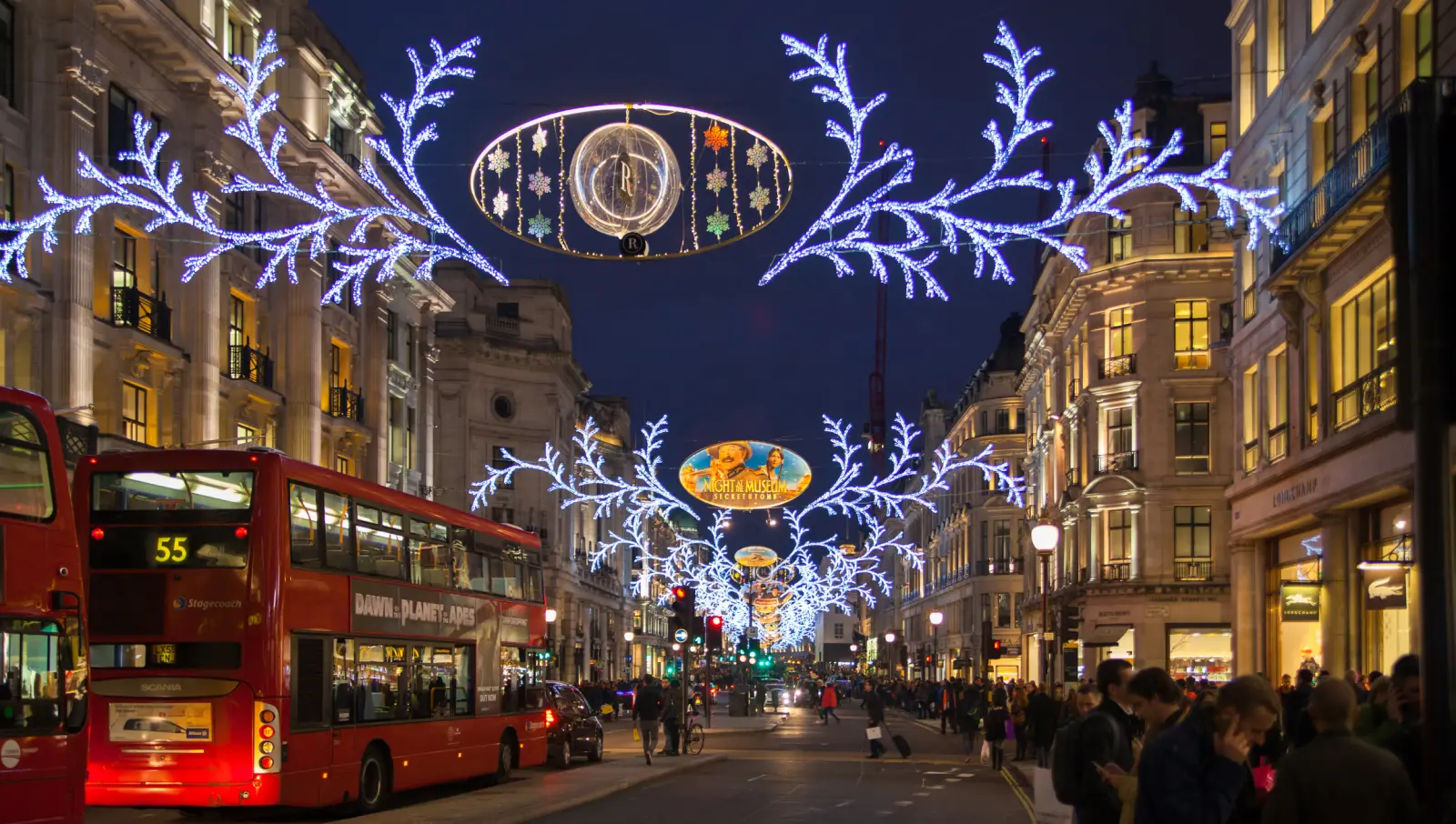
While London remains the top city for affluent travelers from both advanced and emerging economies, cities such as Dubai, Singapore, Bangkok, Paris, Barcelona and Tokyo also rank highly. Less traditional destinations—including Hokkaido in Japan, Mendoza in Argentina, and Mersa Matruh in Egypt—are identified as potential growth markets for high-income visitors.
Spending patterns suggest that affluent travelers allocate a significant share of their budgets to dining, shopping and premium accommodations. In Australia, domestic luxury travelers spend about one-third of their travel budgets on food, drink and retail purchases. Globally, affluent travelers’ cross-border credit card spending at destinations is three times that of non-affluent visitors, with retail making up a large portion of that total.
The report highlights the growing influence of emerging markets. Since 2010, North America and Europe’s share of affluent households has declined, while Asia Pacific’s share has risen to about 10% and is projected to reach 12% by 2030. Affluent households in the region are expected to grow at an annual rate of 8%, the fastest in the world.
In the Middle East and North Africa, stronger air connectivity, more relaxed visa rules, and short-haul appeal are boosting intra-regional travel. Affluent travelers account for 55% of cross-border trips within the region and 65% of trips between MENA and Europe.
Survey data indicates that affluent consumers travel nearly twice as often as non-affluent travelers, with the majority planning at least one trip in the next year. Japan has seen notable growth in visits from high-income travelers from the United States, Australia and the United Arab Emirates, drawn by its mix of cultural heritage and modern amenities.
Visa’s analysis concludes that affluent travelers are not only resilient in the face of economic headwinds but are also shaping the direction of the global travel industry. Their preferences for diverse destinations and premium experiences are expected to define the next phase of tourism growth.