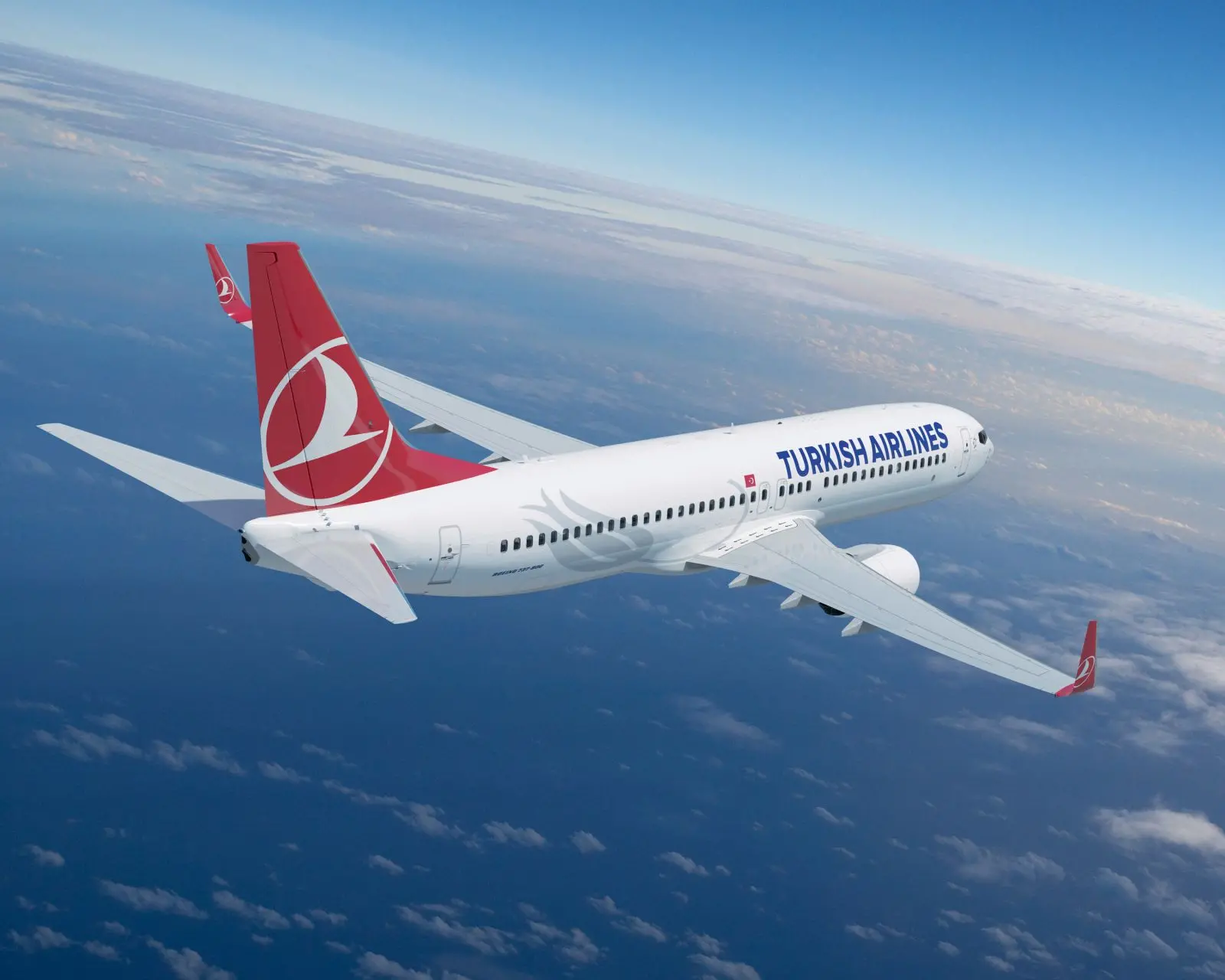
Turkish Airlines reported that it carried 60.7 million passengers in the first eight months of 2025, achieving an 82.7% load factor.
The total number of passengers rose 5.8% compared to the same period in 2024, according to the carrier’s disclosure to Türkiye’s Public Disclosure Platform (KAP).
The airline noted particularly strong international transfer traffic, with international-to-international passengers rising 10.3% year-on-year to 23.1 million between January and August. The company also reported improvements in seat utilization, with the overall load factor up 0.6 percentage points from the previous year.
International flights posted an 82.3% load factor, while domestic operations registered 86.7%. Available seat kilometers increased 6.4% to 179.2 billion, up from 168.5 billion in the first eight months of 2024. The company also highlighted growth in cargo and mail services, with volumes climbing 5.4% to 1.4 million tons compared to 1.3 million tons a year earlier.
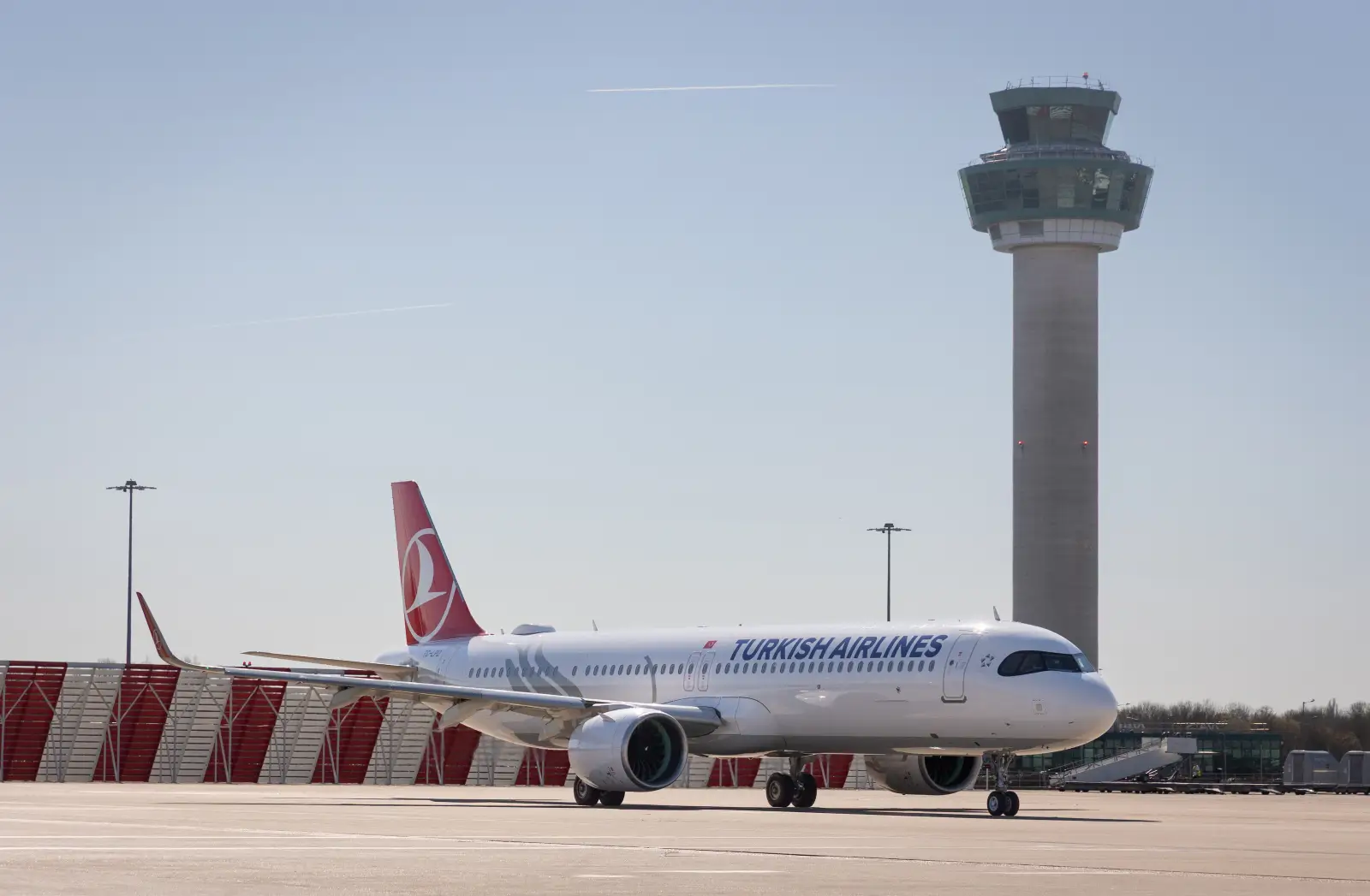
Turkish Airlines’ fleet reached 501 aircraft by the end of August, underlining its continued capacity expansion and global network reach. The airline said its operational growth is balanced across both passenger and cargo divisions, reinforcing its role as Türkiye’s flagship carrier.
August 2025 Results
In August alone, Turkish Airlines carried 9.4 million passengers, up 11.9% from the same month in 2024. Transfer traffic performed strongly, with international-to-international passengers increasing 17.3% year-on-year to 3.49 million.
The monthly passenger load factor reached 86.7%, improving by 0.9 percentage points compared with August 2024. International flights achieved an 86% load factor, while domestic services reached 92.6%, reflecting strong demand in the summer travel season.
The airline also reported growth in available seat kilometers, which rose 8.2% to 25.3 billion in August. Cargo and mail volumes transported exceeded 191,100 tons, marking a 10.5% increase compared with August 2024.
Turkish Airlines emphasized that both passenger and cargo growth demonstrate the resilience of its operations despite broader pressures on the aviation sector. Its fleet expansion to more than 500 aircraft positions the company to increase frequencies and open new destinations, strengthening its hub-and-spoke model centered in Istanbul.
The company continues to leverage its geographic advantage at the crossroads of Europe, Asia, and Africa, attracting both transfer and point-to-point passengers. International transfer growth, in particular, supports Turkish Airlines’ strategy of building Istanbul as a leading global aviation hub.
With demand showing no signs of slowing, Turkish Airlines is positioned to close 2025 with record passenger numbers and higher cargo volumes. The airline’s steady load factors and growth in available seat kilometers point to sustained efficiency and operational performance.
The company has not released financial results corresponding to the traffic report, but passenger and cargo data suggest continued momentum. The airline remains focused on expanding capacity while balancing profitability in a competitive global aviation environment.