Spain will adjust its clocks in late October 2025 as the country transitions from summer to winter time, an annual change that affects daily schedules and travel arrangements nationwide. The shift will alter flight, train, and tourism timetables during one of the busiest periods for autumn visitors.
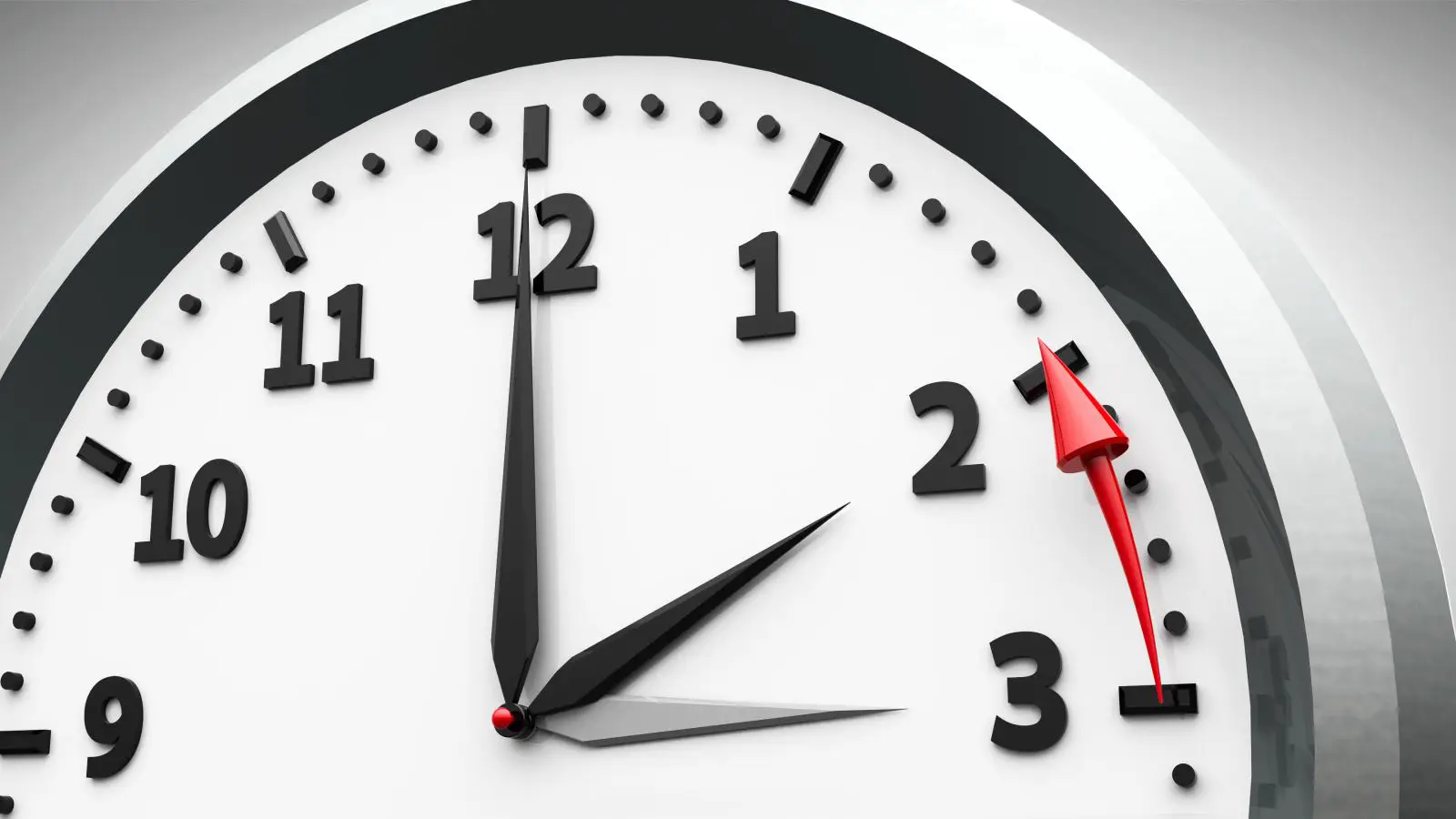
The winter schedule begins in the early hours of Sunday, October 26, when clocks will be set back by one hour across Spain. The adjustment extends nighttime hours and shortens daylight, a change with implications for both residents and the millions of international travelers expected in Spain during the autumn and winter months.
Impact on Travel and Tourism
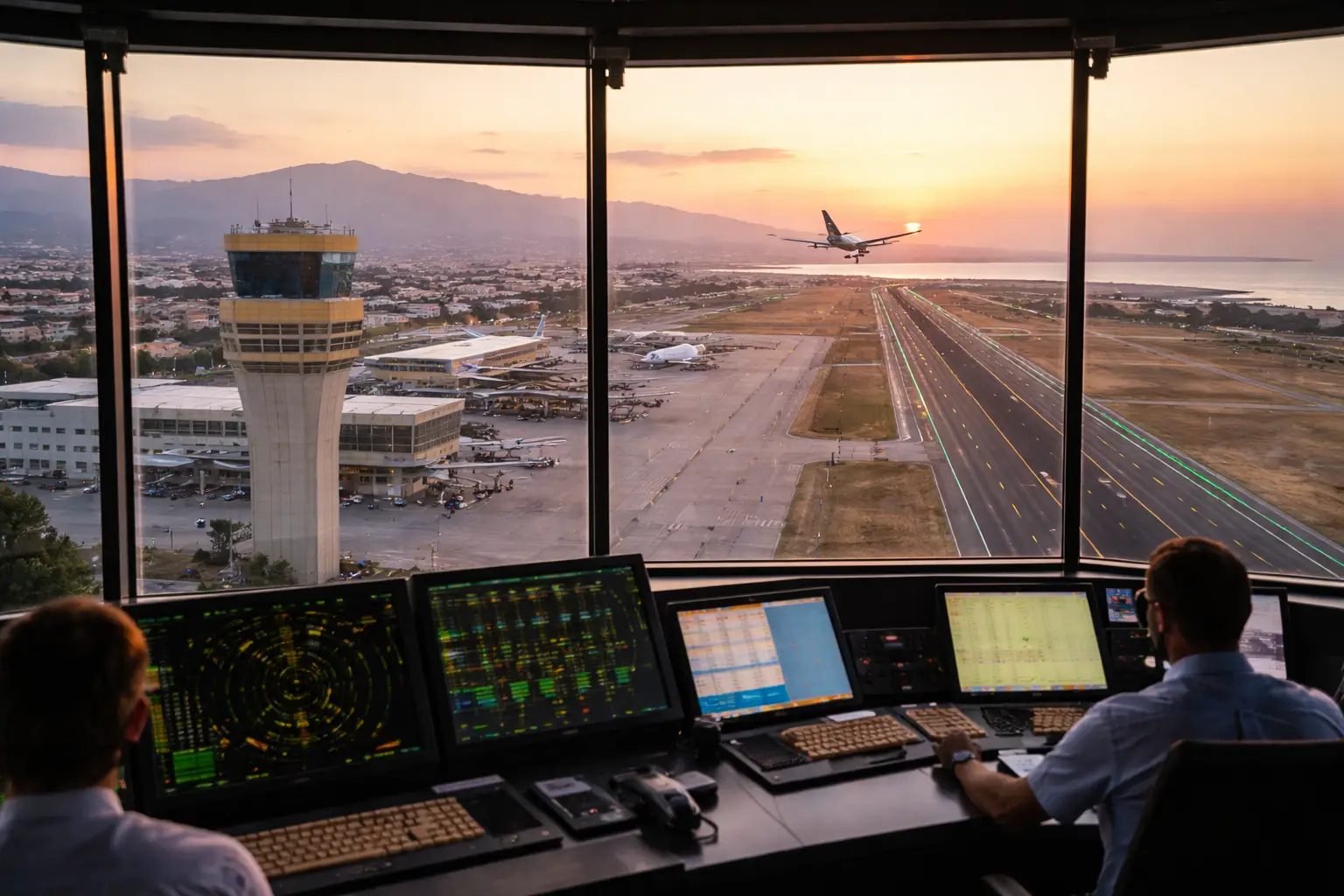
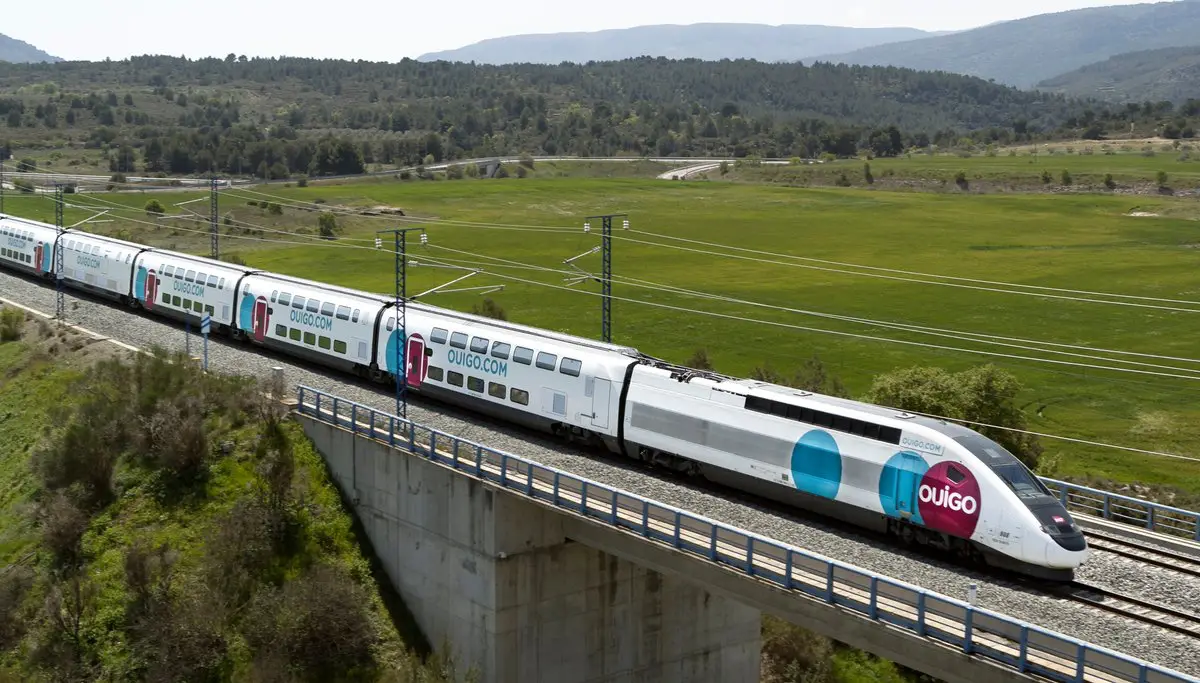
Transport operators, including airlines, trains, and bus companies, will align schedules with the new official time. Tourists with early morning or late-night connections are advised to check their itineraries carefully, as the time change can create confusion for services running overnight. Airports in Madrid, Barcelona, and Málaga, key entry points for international visitors, have confirmed that flight departure and arrival boards will update automatically.
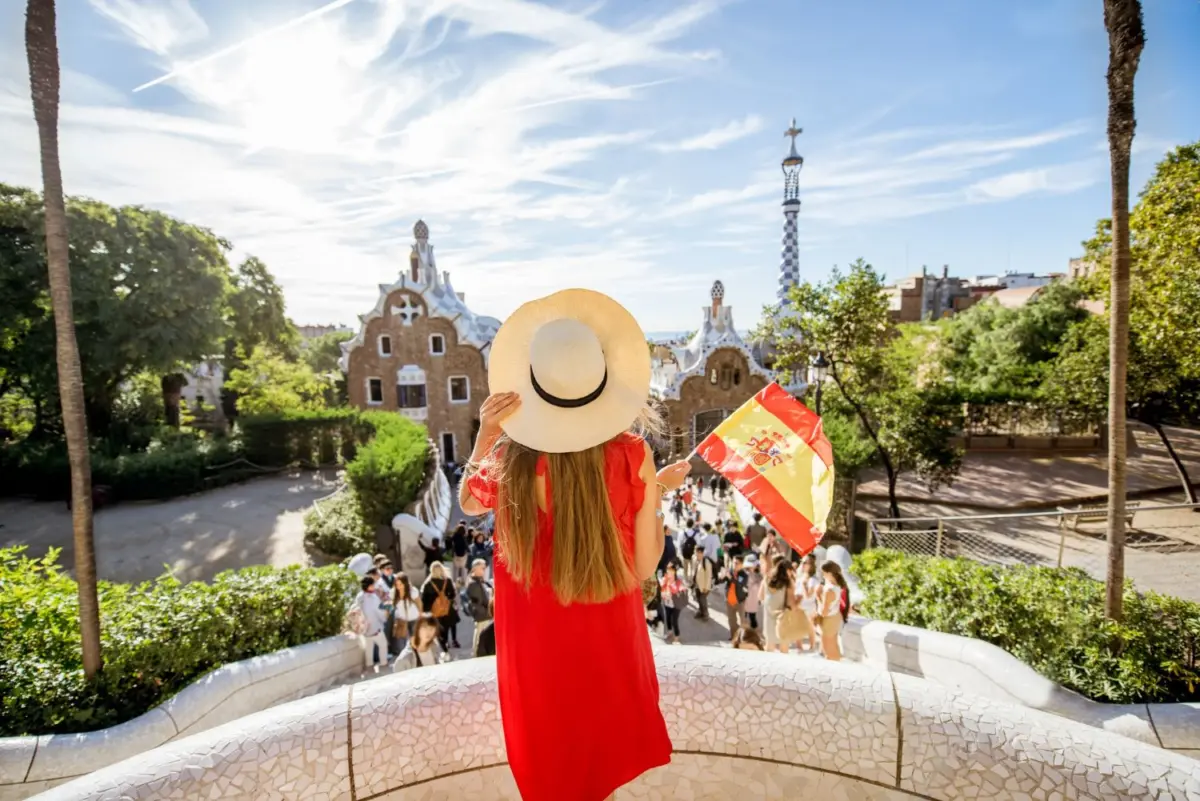
For travelers on the ground, the shorter daylight hours mean adjustments to sightseeing plans. In destinations such as Seville and Granada, sunset will arrive earlier, affecting outdoor tours and cultural excursions. In the Canary Islands, where nature-based tourism is popular, visitors will need to plan hikes and activities earlier in the day to take advantage of natural light.
Background and Debate
Spain, like other European Union countries, makes two seasonal clock changes each year, moving forward in March and back in October. The practice, designed to optimize daylight use and conserve energy, has been subject to ongoing debate within the EU. While some policymakers argue for permanent summer time, others support winter time as a closer match to natural light patterns.
The Instituto Geográfico Nacional (ING) confirmed the October 2025 change as part of the current framework, noting that the adjustment will remain mandatory until the EU adopts a new directive. Travelers visiting Spain during this period are encouraged to ensure devices update automatically or manually set clocks to reflect the official change.
Guidance for International Visitors
Tourists arriving in Spain around October 26 should account for the one-hour adjustment to avoid missed flights, tours, or reservations. Renfe, Spain’s national rail operator, and local transport providers will update schedules in advance. Event organizers, including sports leagues and concert venues, will also adjust start times to match the new official hour.
For visitors, the change means more evening darkness but longer mornings, which in turn influence both travel logistics and the overall holiday experience. From Madrid’s cultural calendar to beach towns along the Mediterranean and the Atlantic, the earlier sunsets will shape how tourists plan their activities in the months ahead.
The October time change reflects Spain’s continued adherence to the EU system despite years of discussion about ending seasonal adjustments. For international travelers, awareness of the new schedule will ensure smoother connections and well-timed itineraries throughout the winter travel season.
Photo Credit: Oakozhan / Shutterstock.com