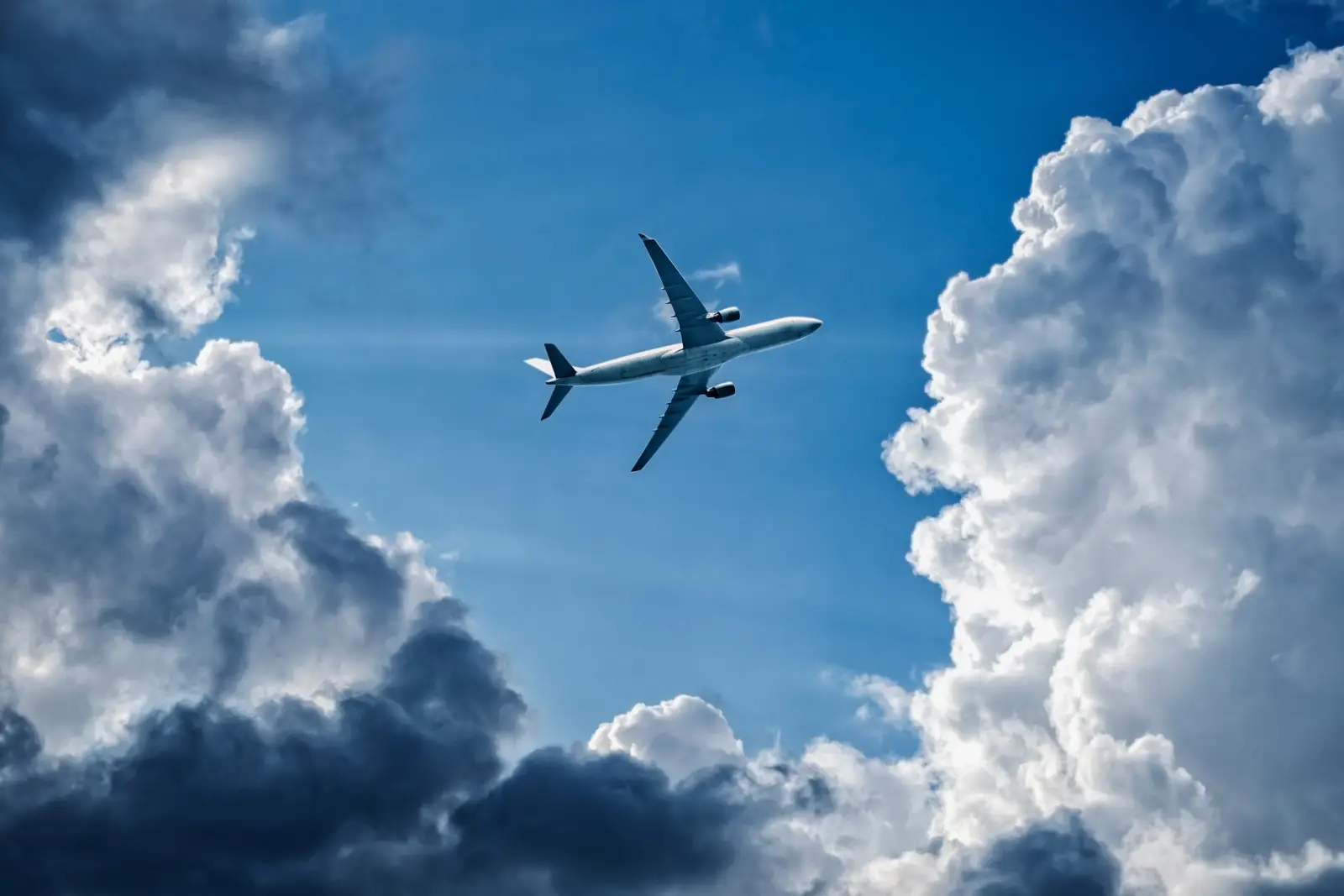
Singapore has become the first to classify severe air turbulence as a major in-flight threat. Abruptly shifting winds which are invisible to radar and jolting cruising aircraft without warning, have become so serious that the phenomenon must be classified as a “state-level operational safety risk”, the Civil Aviation Authority of Singapore (CAAS) said.
That puts it in the same category as the threat from mid-air collisions and unauthorised incursions on runways.
Of the accidents logged by Singapore in 2024, turbulence ranked as the highest in an earlier safety plan for 2022-2024, turbulence was mentioned mainly in the context of training and operational awareness, not classified as a priority risk area in its own right.
Climate change is cited as the main factor behind the growing number of clear-air turbulence incidents worldwide, which are the leading cause of in-flight injuries.
“The recent spate of serious aviation safety incidents around the world is a timely reminder that we must stay vigilant and not take safety for granted,” said Han Kok Juan, CAAS director general, as the authority outlined 45 safety measures for national airlines in its latest report which include actions to address aviation safety risks over the next three years, as air passenger volumes continue to grow.
Turbulence incidents
Two serious events involving Singapore Airlines last year highlighted the danger. In May, a Boeing 777 flying from London to Singapore encountered violent turbulence over Myanmar. The aircraft made an emergency landing in Bangkok, and the incident resulted in a fatality and dozens of others were injured. In September last year, a passenger and a cabin crew member were injured on a Guangzhou-bound flight that ran into turbulence over Hong Kong.
In the United States in August, two passengers on a United Express flight were treated in hospital and 37 others received medical attention after the aircraft ran into fierce turbulence over Texas. In the US, at least 163 people sustained serious injury from turbulence between 2009 and 2022.
Airlines and operators taking steps to address the issue
Several Asian carriers, including Singapore Airlines, have revised crew procedures, including seatbelt use and methods of serving hot drinks. Korean Air stopped serving ramen instant noodles to avoid scalding injuries.
Airlines have also implemented a variety of measures including drilling flight crews on turbulence-related scenarios and enhancing forecasting and detection systems.
Singapore, Korea, and Japan have also urged the International Civil Aviation Organisation to recognise turbulence as a threat in its 2026 global safety plan.
To mitigate the risks of turbulence, Singapore air operators have implemented several measures. These include incorporating turbulence-related scenarios as part of evidence-based training for flight crew. This ensures that they are well-prepared to manage turbulence encounters.
The use of modern weather radars and turbulence awareness applications also enables flight crew to avoid areas of potentially hazardous turbulence. Internationally, CAAS is working with several other like-minded civil aviation authorities to promote the use of enhanced turbulence forecasting and onboard turbulence detection systems and to share real-time turbulence data.
IATA’S Turbulence Awareness programme
IATA projects that air traffic in the Asia Pacific region will grow at a compound annual growth rate of 5.3%, nearly tripling by 2043. Global air passenger journeys in 2050 could exceed 10 billion.
Global bodies have been co-ordinating action on turbulence. The International Air Transport Association (IATA) has a “Turbulence Aware” programme that enables aircraft to share data on turbulence with nearby aircraft.
Artificial intelligence is being developed to predict dangerous shifts in the jet streams, the narrow currents of fast–flowing air at around 30,000 feet in which airliners cruise. The streams, which move from west to east, are powered by differences in the temperature of air masses.
Studies have shown that the more extreme weather caused by climate change is creating fiercer changes in wind speed and direction, or windshear, involving the jet streams. The increase in airline traffic in recent decades has contributed to the rise in clear-air turbulence encounters because more planes are flying through the turbulence-prone corridors, for example, over the north Atlantic and Asia.
Photo Credit: Lina Mo / Shutterstock.com