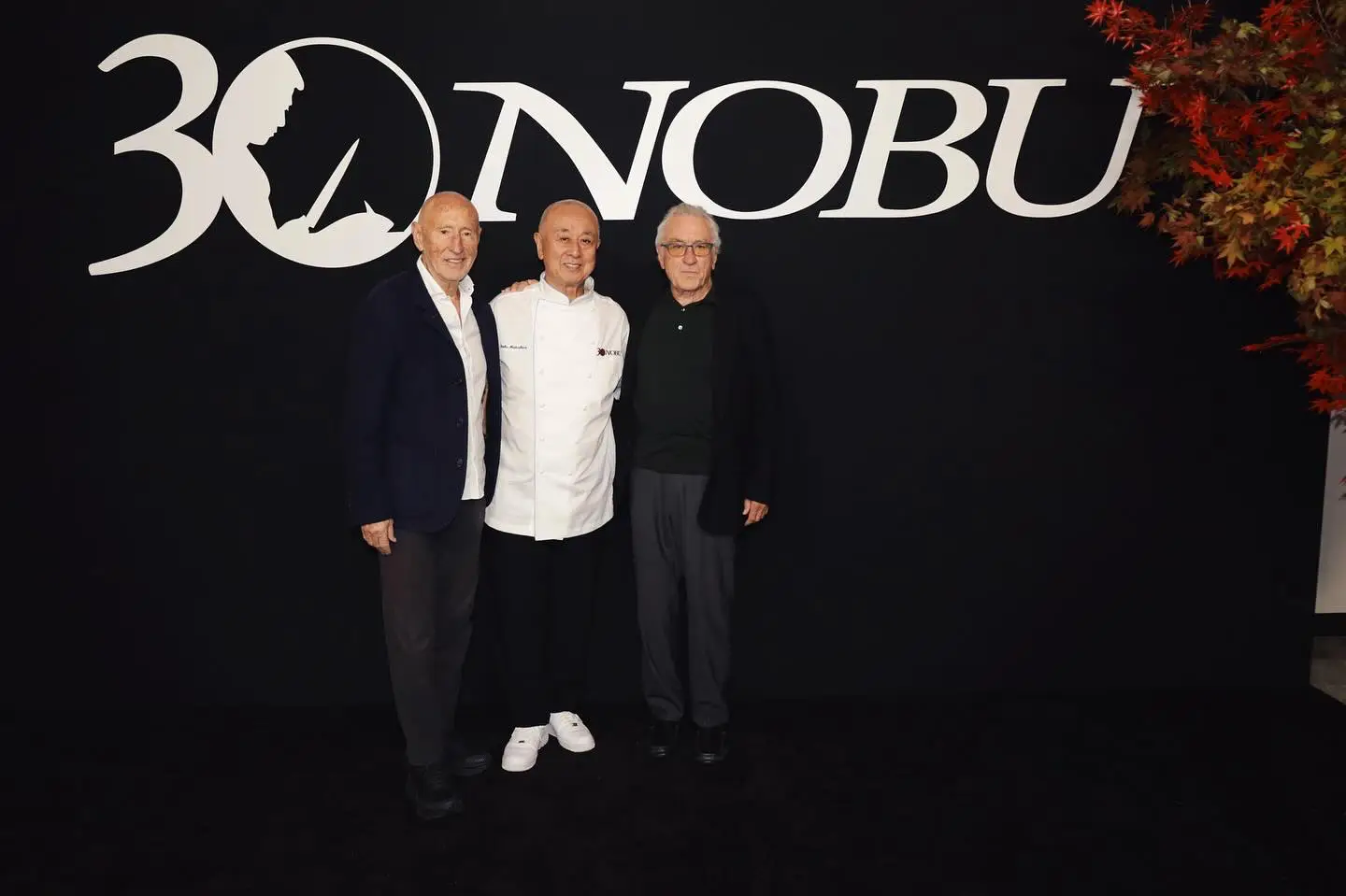
A Polish member of parliament has called for an official inspection of the historic building being converted into a luxury hotel in Kraków backed by actor Robert De Niro’s Nobu Hospitality.
The request follows concerns that recent construction work may have compromised the integrity of a protected postwar monument located near the city’s Old Town.
MP Daria Gosek-Popiołek submitted a letter to the provincial conservator of monuments last week, asking for immediate oversight of the redevelopment project. The site, a 1950s-era building known locally as the Miastoprojekt offices, is part of a hotel-residential complex under construction by Nobu Hospitality in partnership with SAO Investments.
Concerns Over Heritage Preservation
Photos shared publicly in late October appeared to show extensive interior demolition at the site, including the removal of parts of the roof and structural walls. The MP said such work could endanger the building’s historical status and urged heritage officials to intervene before further damage occurs.
“Immediate action from the conservation services [is needed] before it is too late,” said Daria Gosek-Popiołek, member of the Polish parliament. She noted that the Miastoprojekt building “is, or at least should be, part of Kraków’s identity.”
The property, located on Mogilska Street near Kraków’s cultural and business district, is listed as a historic monument. It was originally designed in the post-war modernist style and is recognized for its architectural and civic value. Under Polish law, any alterations to protected buildings require approval from conservation authorities, who must ensure that restorations preserve the structure’s defining features.
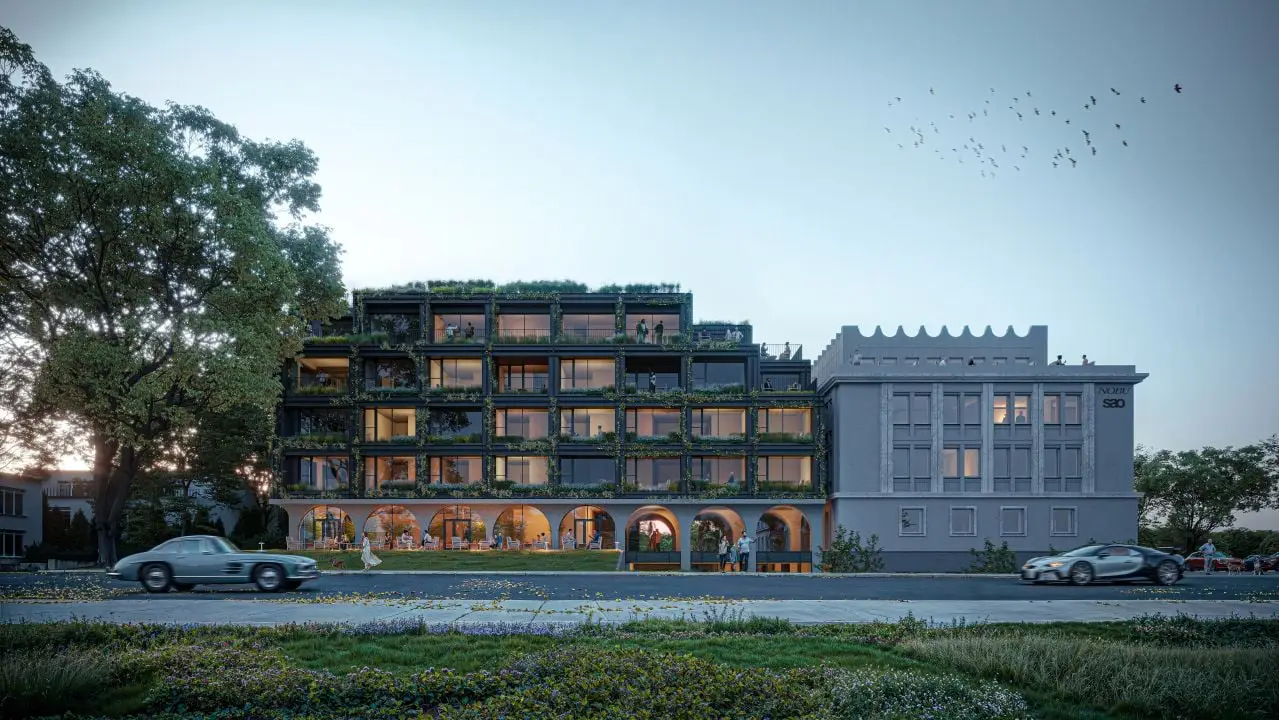
Nobu Project Plans and Scope
The Kraków development is part of Nobu Hospitality’s ongoing European expansion. Founded by actor Robert De Niro, film producer Meir Teper, and chef Nobu Matsuhisa, the brand operates luxury hotels and restaurants across major cities including London, Paris, and Warsaw. The Kraków project was first announced in 2023 and includes plans for a 100-room hotel, 80 private residences, and a cultural district featuring a theatre, cinema, recording studio, and art gallery.
Developers have described the design as a balance between preservation and innovation, integrating the historic Miastoprojekt structure with new architectural additions. The project also includes amenities such as a rooftop pool, wellness facilities, and Nobu’s signature restaurant.
Local media reports indicate that construction activity has accelerated in recent months, though no formal response has yet been issued by the provincial conservator or city authorities regarding the MP’s request. It remains unclear whether the inspection will proceed or whether any potential violations have been documented.
Balancing Growth and Conservation
The debate underscores the tension between heritage protection and luxury development in one of Poland’s most visited cities. Kraków, a UNESCO World Heritage Site, has strict building regulations designed to safeguard its architectural heritage. Yet, growing demand for upscale accommodation has encouraged developers to adapt historic buildings for tourism and mixed-use projects.
Heritage advocates argue that adaptive reuse of older properties can succeed when executed with care, but warn that insufficient oversight risks irreversible loss. For Kraków’s tourism industry, which has rebounded strongly since the pandemic, maintaining the city’s visual and historical integrity remains a key part of its appeal to both domestic and international visitors.
While Nobu Hospitality and SAO Investments have not publicly commented on the MP’s concerns, the project continues to attract attention from industry analysts as one of the city’s most ambitious private investments. The mixed-use concept aligns with global trends in luxury hospitality, blending accommodation, residences, and cultural experiences under a single brand.
If completed as planned, Nobu Hotel Kraków will join the group’s growing European portfolio, marking its second property in Poland after Nobu Warsaw. The final completion date has not yet been confirmed, and future timelines could depend on regulatory reviews stemming from the heritage inspection request.
The case has renewed public debate about how historic cities can modernize without losing their architectural identity. For Kraków, where cultural tourism represents a cornerstone of the local economy, the outcome may shape how future developments navigate the balance between preservation and progress.