Travelers worldwide are embracing mobile technology and biometric identity systems as the preferred way to manage air travel, according to the International Air Transport Association’s (IATA) 2025 Global Passenger Survey (GPS) released this week in Istanbul.
The findings show a clear shift toward smartphone-based travel management and digital identification, underscoring how the passenger experience is being transformed by mobile reliance and digital trust.
The survey results, based on more than 10,000 responses from travelers across 200 countries, reveal that passengers want to control their journeys digitally — from booking and payments to airport check-in and boarding. Biometric use has also reached record levels, with 85% of passengers who have tried the technology reporting high satisfaction. IATA said the trends mark a defining moment in the air travel industry’s digital evolution.
Smartphones take over the passenger journey
IATA’s data shows that travelers are increasingly using mobile devices to complete every stage of their journey. Over half of respondents (54%) said they prefer to deal directly with airlines, most often through mobile apps. Airline websites remain the leading booking channel at 31%, though this share has fallen from 37% in 2024, while web app use rose to 19%, up from 16% the previous year. The shift is driven largely by younger travelers, 25% of whom prefer mobile channels.
“Passengers want to manage their travel the same way they manage many other aspects of their lives—on their smartphones and using digital ID,” said Nick Careen, IATA’s Senior Vice President Operations, Safety and Security. “As experience grows with digital processes from booking to baggage claim, the message that travelers are sending in this year’s GPS is clear: they like it, and they want more of it.”
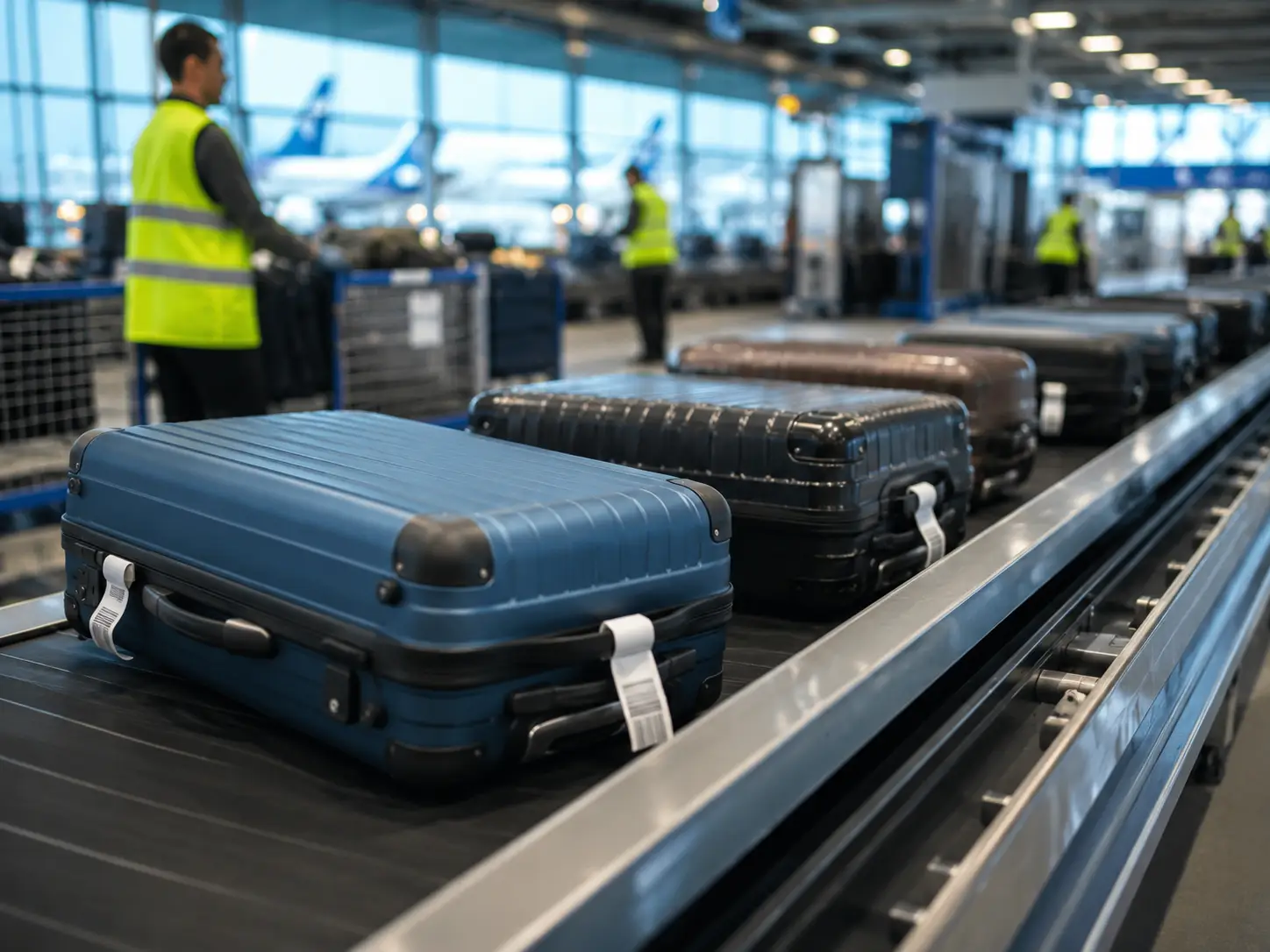
Payment preferences are also changing rapidly. Credit and debit cards remain the dominant methods, used by 72% of passengers, but that share has fallen from 79% in 2024. Digital wallet use climbed from 20% to 28%, and instant payment platforms such as IATA Pay rose from 6% to 8%. Travelers are also embracing electronic bag tags, which increased from 28% to 35% year-on-year, allowing passengers to generate tags directly from their devices during mobile check-in.
In total, 78% of passengers now want smartphones to serve as a single travel hub, integrating a digital wallet, digital passport, and loyalty cards to book, pay, and navigate airports. IATA said this appetite for smartphone-based travel solutions continues to grow across all age groups and regions.
Biometric identity becomes central to seamless travel
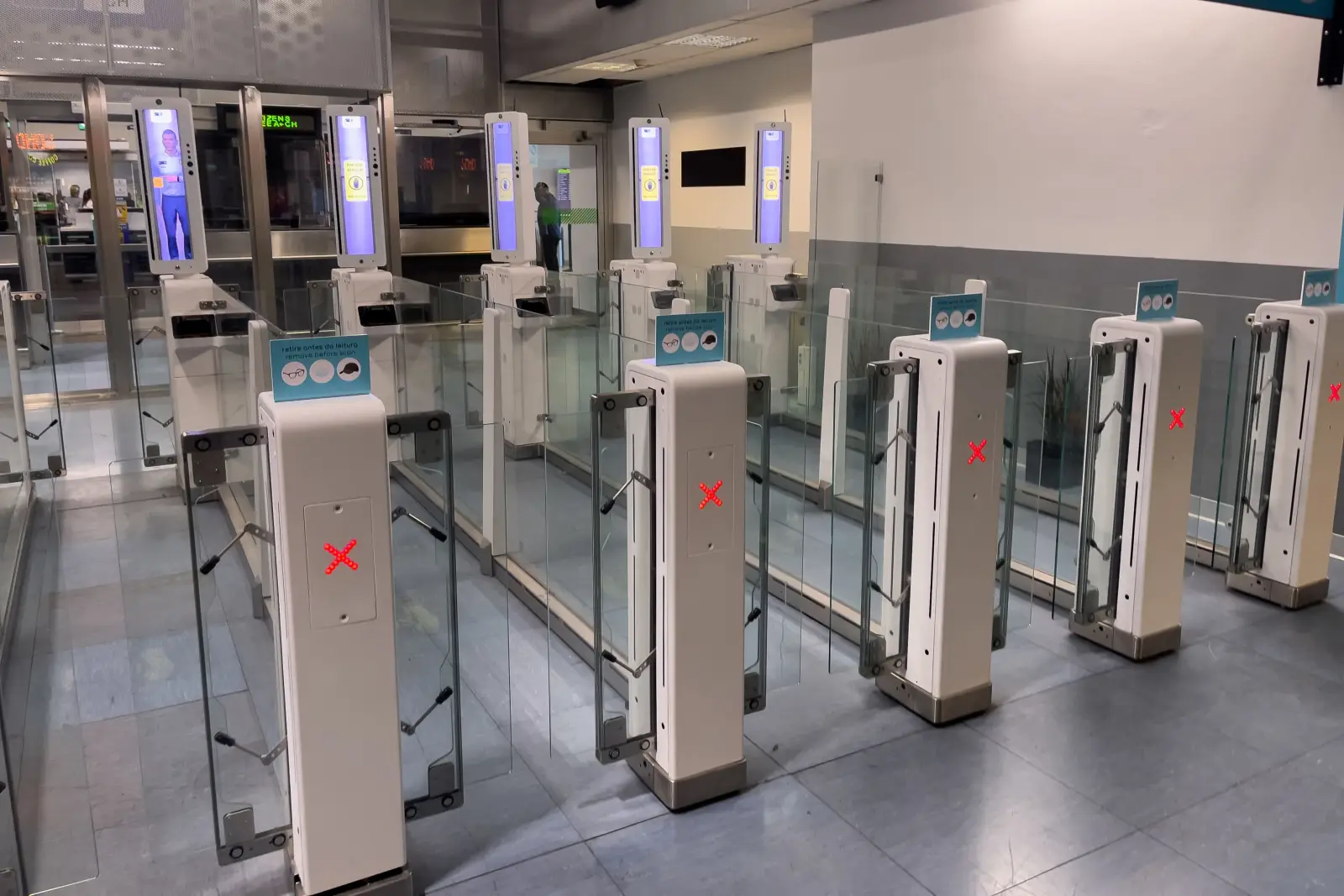
The 2025 GPS highlights strong acceptance of biometrics as part of the airport experience. Half of passengers (50%) said they have used biometric identification during their travels, up from 46% in 2024 and nearly 20 percentage points higher than in 2022. Usage is most common at security screening (44%), exit immigration (41%), and entry immigration (35%).
Among those who have used the technology, satisfaction remains high: 85% of passengers said they were happy with their biometric experience. Moreover, 74% indicated they would be willing to share their biometric information if it allows them to bypass passport or boarding pass checks at points such as check-in, border control, and boarding. Privacy concerns persist, but 42% of those currently unwilling to share biometric data said they would reconsider if robust data protection measures were guaranteed.
“Passengers are already using biometrics for different stages of their journey, from check-in to boarding,” said Careen. “But to make the international travel experience fully digital, governments need to start issuing digital passports and enable their secure recognition across borders. When that becomes common practice, travelers, governments, and airlines will all see the benefits of digital identity with an experience that is even more convenient, efficient, and secure.”
IATA emphasized that cybersecurity must remain a core priority in the sector’s digital transformation. The association urged industry stakeholders to adopt an end-to-end approach to protecting passenger data and to maintain public trust as technology continues to advance.
Regional insights highlight differences in adoption
The survey also reveals notable regional differences in digital behavior. Asia-Pacific travelers lead globally in using mobile apps, digital wallets, and biometrics, reflecting the region’s advanced digital infrastructure. However, satisfaction levels among these travelers were the lowest overall, suggesting that speed and convenience expectations are rising even faster than service delivery.
European passengers remain the most traditional, preferring airline websites and card payments while showing the least willingness to use biometrics or share data. North American travelers prioritize convenience and journey time but express strong privacy concerns, placing them among the least satisfied groups worldwide. In contrast, travelers in the Middle East and Africa report some of the highest satisfaction scores, citing loyalty programs, personal service, and improved digital tools as key factors. Latin American travelers remain cautious adopters of biometrics but demonstrate strong willingness to embrace the technology once introduced.
Demographically, younger passengers under 26 are driving the shift to digital travel but are also the most difficult group to satisfy, reflecting higher expectations around user experience and privacy. Male travelers tend to adopt airline apps and biometrics faster than female travelers, while women place greater emphasis on trust, reliability, and brand reputation when making travel decisions.
According to IATA, the continued expansion of mobile-first and biometric processes represents a critical step toward a fully digital travel ecosystem. With airlines, airports, and governments now working to integrate digital ID systems and border controls, the path toward a seamless, paperless journey is becoming clearer. However, the association cautioned that trust, privacy, and cybersecurity will determine how quickly travelers — and regulators — are willing to take that next step.
Photo Credit: Wirestock Creators / Shutterstock.com