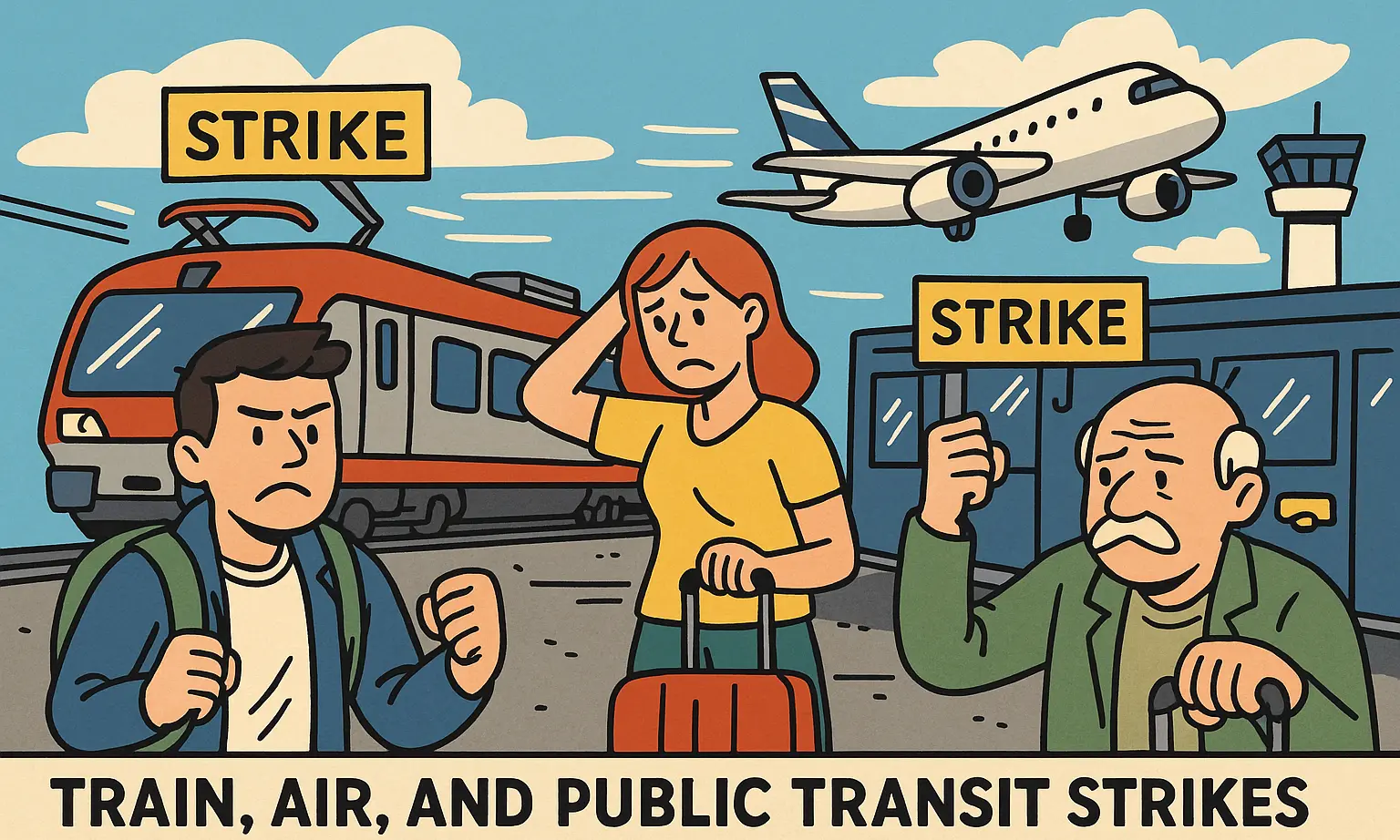
Italy’s largest trade union, the CGIL, is calling a nationwide general strike on 12 December 2025, raising the prospect of widespread disruption to rail services and public life across the country as the government’s 2026 budget is contested.
The strike, scheduled from 00:01 to 21:00 on Friday, targets both public and private sectors in protest at spending plans that union leaders say favour defence over social investment. Travellers arriving in or moving around Italy that day face a heightened risk of delays, cancellations and last-minute changes to transport connections.
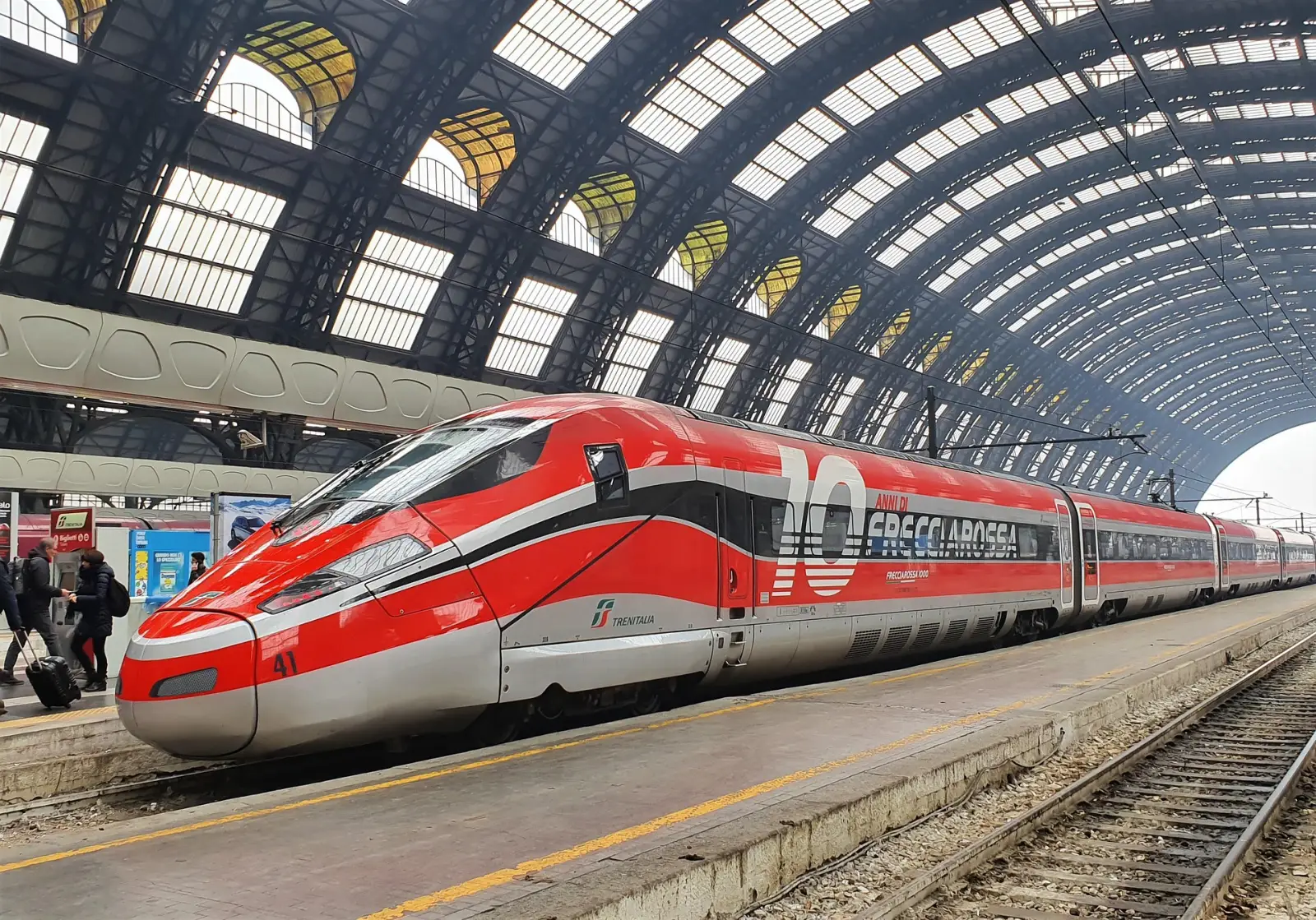
Rail operators warn that regional, suburban, long-distance and airport services may be heavily reduced or suspended during the walkout, with only limited “guaranteed” trains running. In several regions, including Lombardy, the rail company Trenord plans to operate minimum services in two time bands, from 06:00 to 09:00 and from 18:00 to 21:00, while most other trains remain at risk of cancellation. Where airport rail links are interrupted, replacement buses are expected on key routes such as Milan Cadorna to Malpensa Airport, extending journey times and putting extra pressure on road networks.
Reasons for the 12 December Strike
The general strike focuses on the budget law presented by the government of Prime Minister Giorgia Meloni, which the CGIL argues does not respond to rising living costs and pressures on public services. The union says the plan channels too much money into weapons and defence rather than health, education and social protection, while failing to reverse years of wage stagnation. It is also pressing for renewal of expired national labour contracts and measures to safeguard purchasing power for workers and pensioners.
The CGIL frames the industrial action as part of a broader push for structural reform of Italy’s tax and welfare systems. “We want wages to increase — people cannot be poor while working. Wages must be raised, and investment should not go into weapons but into public healthcare, public education, and knowledge. We need to correct a flawed tax system and fight tax evasion. We must affirm a model of society founded on people’s needs,” said Maurizio Landini, General Secretary of the CGIL. The strike is designed to increase pressure on the government while the budget bill is still under parliamentary discussion.
Impact on Travellers and Transport Networks
The 12 December action falls in a month already marked by a dense calendar of industrial disputes across Italian transport, including earlier walkouts by local public transport staff, ferry workers and other categories. Rail disruption is expected to be most visible on intercity and commuter lines, especially around major hubs such as Rome, Milan, Florence and Naples. Local buses, trams and metro services could also be reduced where staff join the strike, leading to longer waiting times and more crowded vehicles.
Business travellers and logistics operators are being warned to prepare for possible delays in freight movement and last-mile deliveries. Road traffic near major cities and airports may increase as passengers shift from rail to cars, taxis and coaches. Companies that rely on just-in-time shipments or tight travel schedules are being advised to adjust itineraries, bring forward key journeys or postpone non-essential trips.
For leisure visitors, the strike may affect not only transport but also access to some public services and cultural sites, depending on staffing levels on the day. Museums, municipal offices and other state-run facilities could shorten opening hours or operate with reduced staff, although precise arrangements will depend on local participation in the strike. Travellers are encouraged to check the latest updates from transport operators, airlines, accommodation providers and tour companies, and to allow extra time for transfers and connections.
As the strike approaches, further operational details are likely to be published by national and regional transport authorities. The overall impact will depend on how many workers take part and how widely the action spreads across different sectors. What is clear for now is that 12 December is shaping up to be one of the most challenging days for moving around Italy this winter, coinciding with the start of the busy festive travel period and highlighting the tension between the government and organised labour over the country’s economic priorities.