Bleisure travel has become a standard part of how professionals move through major business hubs.
Once meetings end, evenings turn into a valuable window for personal time, networking, and curated services that fit tight schedules. Travelers often plan these hours in advance, researching dining, wellness, and discreet options much like they would look up a chicago escort to ensure their limited free time is used efficiently. This behavior reflects a broader shift in work culture, where business trips are no longer confined to offices and conference rooms but extend into thoughtfully planned after-hours experiences.
How business travelers use evenings in major cities
After-hours time is typically short and purposeful. Business travelers favor options that are close by, easy to arrange, and reliable. Large cities offer a dense mix of services that make it possible to transition quickly from work to leisure without complex planning. Convenience and safety tend to outweigh novelty, especially for repeat visitors.
Common after-hours activities include:
- Dining within walking distance of hotels or offices
- Lounges and bars suited for conversation rather than crowds
- Wellness services such as spas or fitness centers
- Informal meetups with colleagues or local contacts
These patterns repeat across global hubs, with small adjustments based on local culture and operating hours.
Social and networking-focused after-hours activities
Evenings often function as a softer continuation of the workday. Dinners, small gatherings, and relaxed venues allow professionals to connect without formal agendas. In major business hubs, these interactions are expected and supported by infrastructure that caters to business travelers. The value lies not in entertainment alone but in the opportunity to build trust and rapport in a low-pressure environment.
Private leisure and personal services
Not every traveler seeks social engagement after work. Many prioritize privacy and downtime to reset after long meetings. Solo dining, quiet venues, and private services appeal to those who want control over their schedule and surroundings. Discretion and ease of booking are key, especially when evenings are the only personal time available during a trip.
Why major business hubs attract bleisure travelers after work
Cities that succeed as bleisure destinations share common traits. They are designed for activity beyond office hours and offer reliable transport and clear navigation. After-hours appeal often matters as much as daytime business infrastructure.
Key city-level factors include:
- Walkable districts connecting offices, hotels, and venues
- Efficient transport options late into the evening
- A concentration of services operating beyond standard hours
These elements reduce friction and encourage travelers to explore without extensive planning.
Neighborhood choice and proximity to business districts
Bleisure travelers tend to stay near business centers to maximize usable time. Neighborhoods adjacent to offices or convention areas allow for spontaneous plans and shorter travel times. This proximity supports flexible evenings and reduces the risk of delays, making after-hours planning more predictable.
The role of hotels and accommodation in after-hours planning
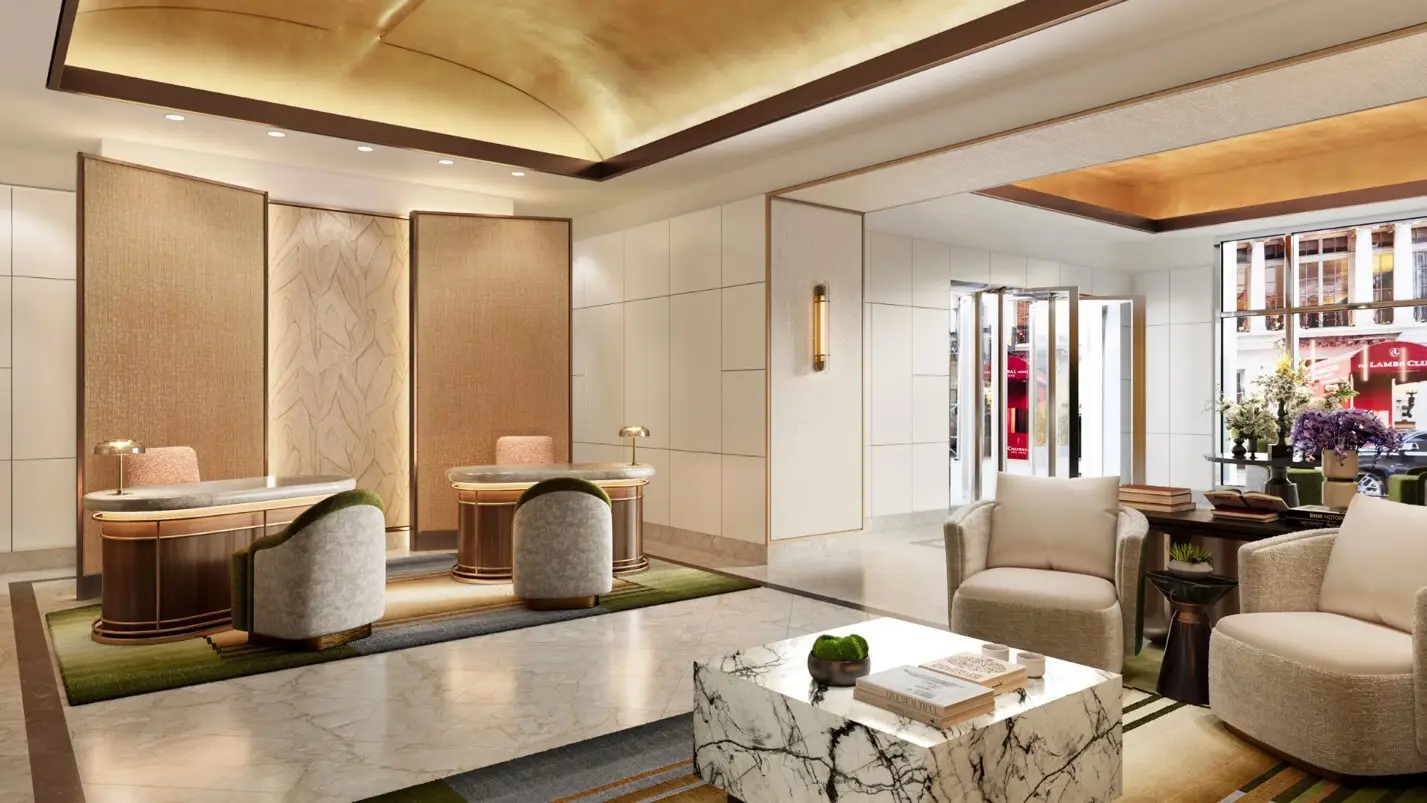
Hotels play a central role in shaping evening experiences. In major hubs, accommodation is no longer just a place to sleep but a starting point for after-hours activity. Lounges, rooftop spaces, wellness areas, and curated local partnerships help travelers transition smoothly from work to leisure without leaving the property.
Concierge and on-demand services for evenings
Concierge teams and digital platforms simplify after-hours arrangements. From securing reservations to organizing transport or private experiences, these services save time and reduce uncertainty. For bleisure travelers, this support is essential when evenings are short and expectations are high.
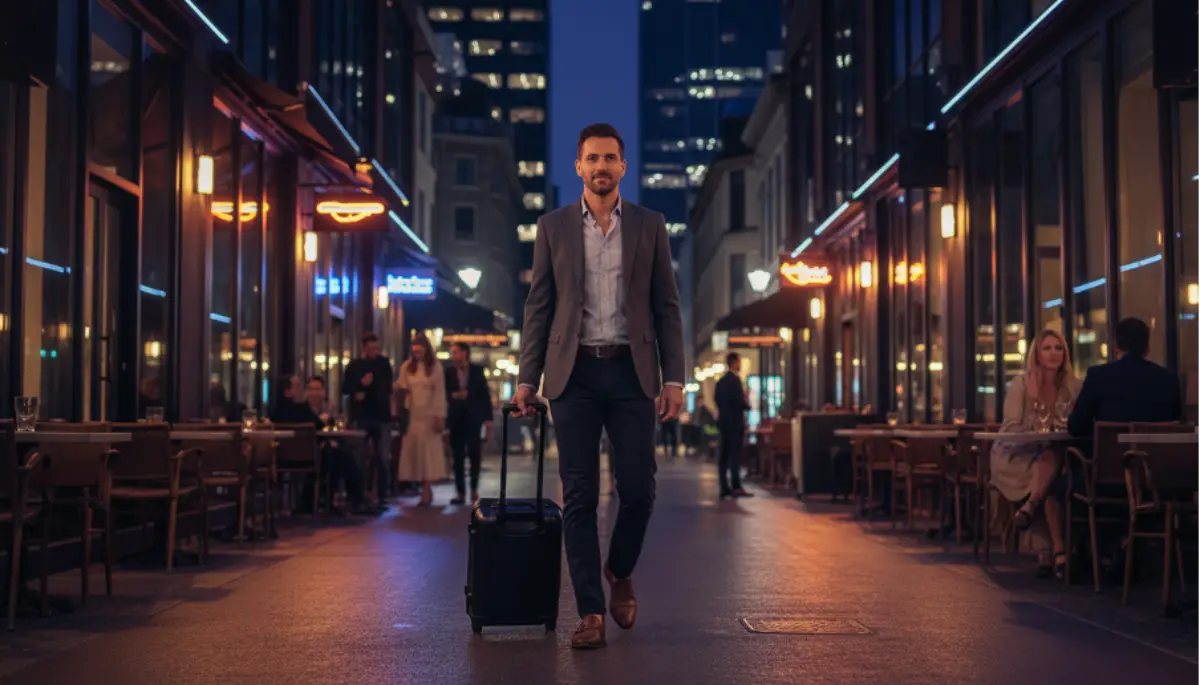
Planning bleisure trips around after-hours services
After-hours priorities influence how trips are structured. Travelers may extend stays, adjust arrival times, or choose accommodation based on evening options rather than meeting locations alone. Budgeting also reflects this shift, with more attention given to experiences that enhance limited free time.
Practical strategies for maximizing after-hours time
- Schedule meetings earlier to protect evenings
- Choose centrally located accommodation
- Preselect nearby after-hours options to avoid delays
These strategies help ensure that evenings contribute meaningfully to the overall trip experience.
Conclusion: after-hours services as a core bleisure driver
In major business hubs, after-hours services are no longer secondary to bleisure travel. They define how professionals unwind, connect, and personalize their trips. As work and leisure continue to overlap, cities and services that support efficient and high-quality evenings will remain central to the bleisure travel experience.