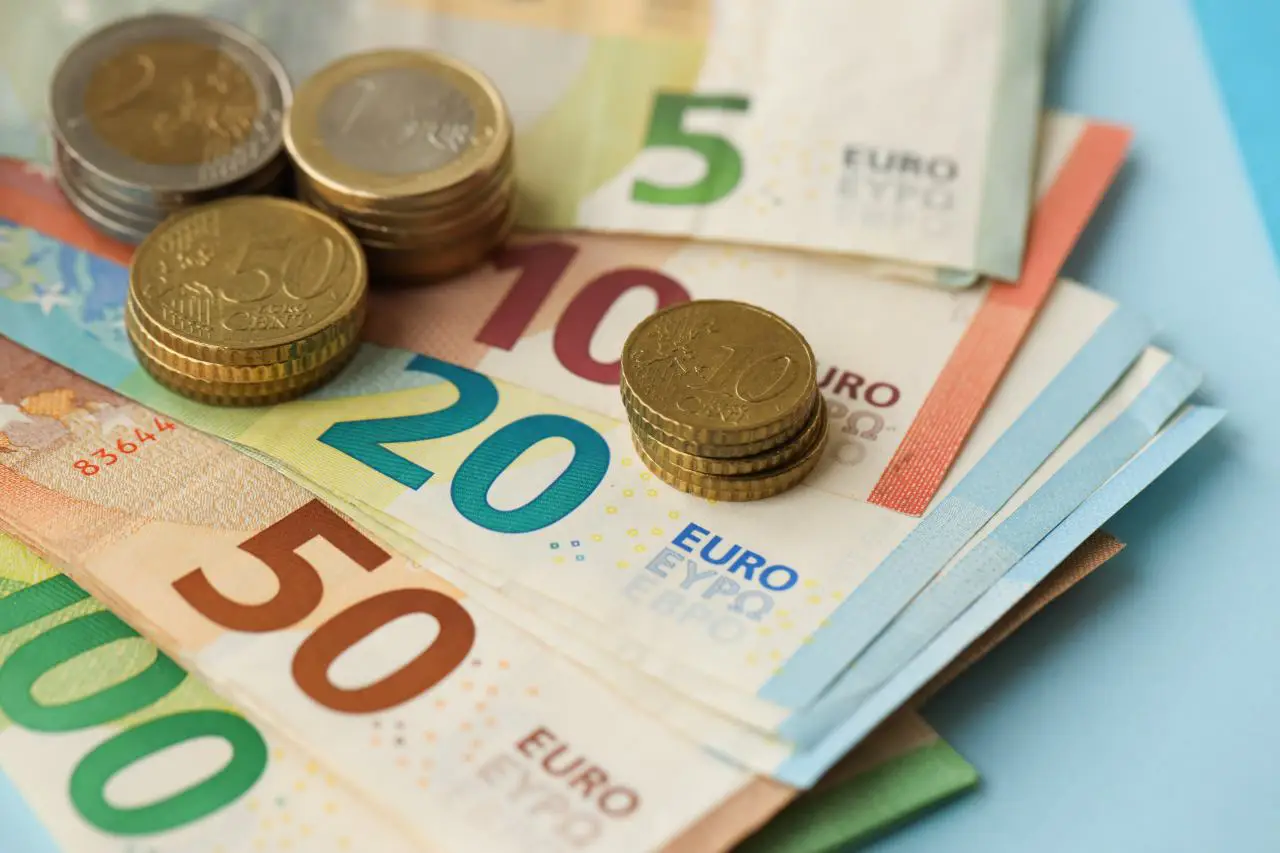
Bulgaria officially switches to the euro on 1 January 2026, replacing its national currency, the lev, following years of preparation and European Union formal approval.
The change makes Bulgaria the 21st EU member state to use the euro, bringing more than 357 million people under the shared currency and marking a significant shift for travellers, businesses and residents.
For visitors, the move means simpler payments, clearer prices and fewer exchange costs when travelling in the country. The lev and the euro will circulate together for one month, with a fixed conversion rate of 1.95583 lev to €1, while prices continue to be displayed in both currencies until August 2026.
What the euro change means for travellers
For many travellers, Bulgaria has long been an affordable destination, but one that required a little extra preparation at the border or the cash machine. From today, that extra step disappears for visitors arriving from the euro area, as hotels, restaurants, transport providers and attractions begin operating in the same currency used across much of Europe.
During January 2026, travellers can expect to see both currencies in use. Payments made in lev will be returned in euro change, allowing the older currency to be withdrawn gradually from circulation. This dual-currency period is designed to make the transition smooth for locals and visitors alike, particularly in tourist areas where international guests are common.
Automatic teller machines across the country are also switching quickly. As of 1 January, 96% of ATMs in Bulgaria distribute euro banknotes, with the remainder expected to follow within two weeks. For travellers, this reduces uncertainty around cash access, especially outside major cities or during short stays.
Prices are already displayed in both lev and euro, a requirement that began on 8 August 2025 and continues until 8 August 2026. The dual display is intended to protect consumers and help travellers understand value during the transition, particularly for everyday purchases such as food, transport and accommodation.
European Commission President Ursula von der Leyen highlighted the practical impact of the change, especially for mobility across borders. “The euro will bring benefits for the Bulgarian people making payments and travel easier,” said Ursula von der Leyen, President of the European Commission.
Cash, cards and consumer protections
Visitors arriving with leftover lev from previous trips can still exchange it easily. Lev banknotes and coins may be exchanged at the Bulgarian National Bank, commercial banks and post offices in rural areas where no bank branch is available. Exchanges at the central bank are free of charge and unlimited in time, while banks and post offices offer free exchanges for the first six months, until 1 July 2026.
For travellers concerned about price hikes during the switch, Bulgarian authorities have emphasised consumer protection as a core principle of the changeover. The prices of 101 frequently purchased products have been monitored daily and published online to discourage unjustified increases. These measures aim to maintain Bulgaria’s reputation as a good-value destination while reassuring visitors unfamiliar with the new pricing.
Card payments, already widely accepted in Bulgaria’s cities and resorts, become even simpler for eurozone visitors. With no currency conversion, travellers can better track spending and avoid foreign transaction fees that previously applied when using the lev. This is particularly relevant for longer stays, digital nomads and winter sports visitors in mountain resorts such as Bansko and Borovets.
The shift also strengthens Bulgaria’s integration into Europe’s single market, which officials say benefits both travellers and tourism businesses. “The euro has always been much more than a currency,” said Valdis Dombrovskis, Commissioner for Economy and Productivity; Implementation and Simplification. “It brings Bulgaria ever closer to the heart of Europe and sends a clear signal to the world that our strength lies in our unity.”
Behind the scenes, the change follows a positive assessment in the European Commission’s 2025 Convergence Report, supported by the European Central Bank. EU finance ministers formally approved the move in July 2025, opening the way for today’s adoption after Bulgaria met criteria covering inflation, public finances and exchange-rate stability.
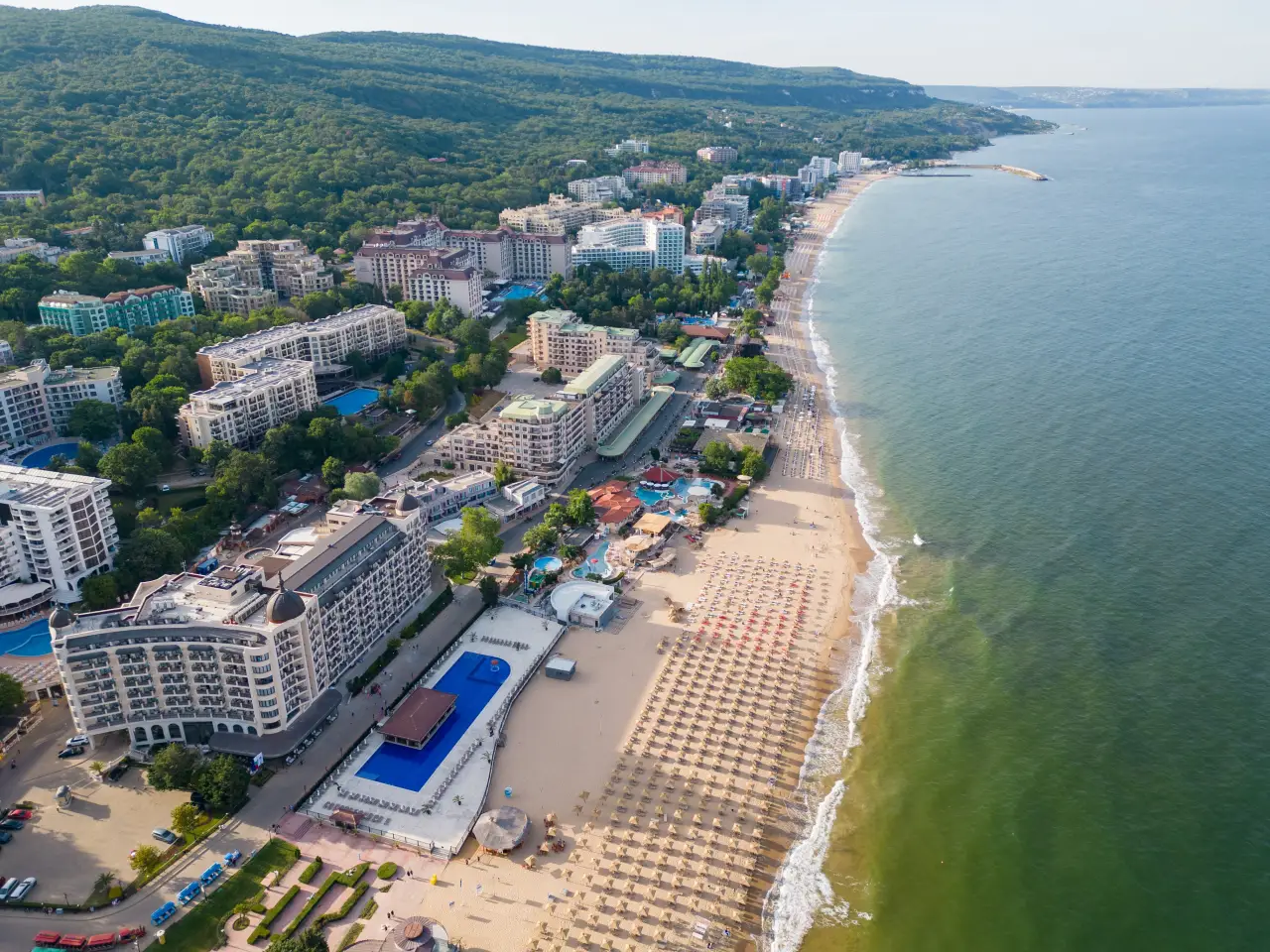
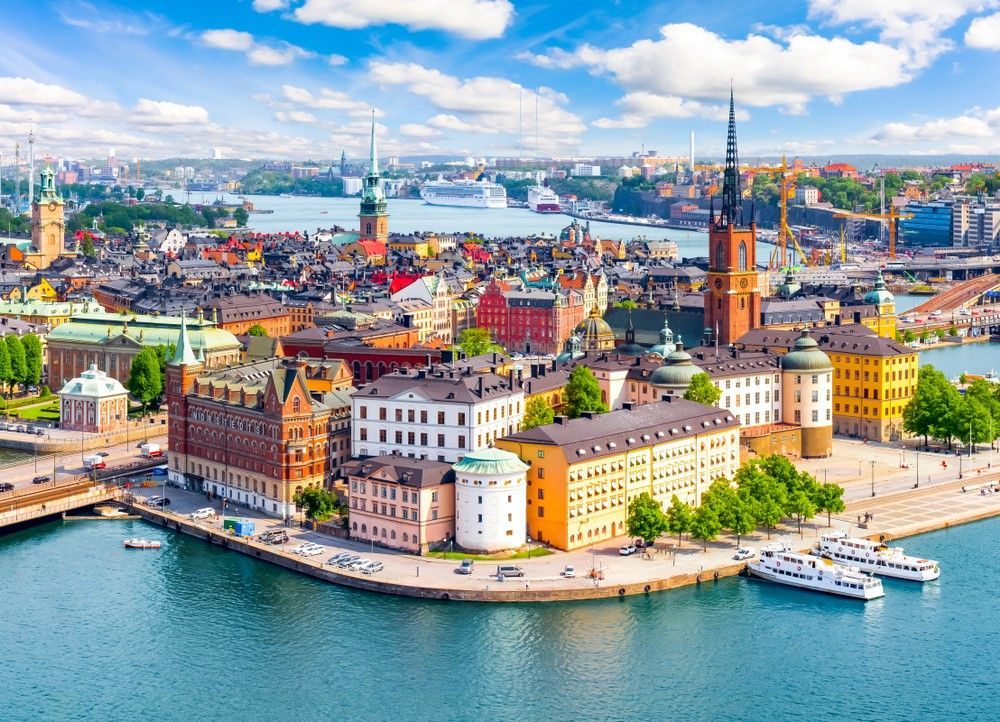
For travellers planning trips in 2026 and beyond, the message is straightforward. Bulgaria remains the same mix of Black Sea beaches, historic cities and mountain landscapes, but with fewer financial barriers for European visitors. With one less currency to think about, the country becomes easier to navigate, budget for and enjoy.
Top Photo Credit: Mehaniq / Shutterstock.com