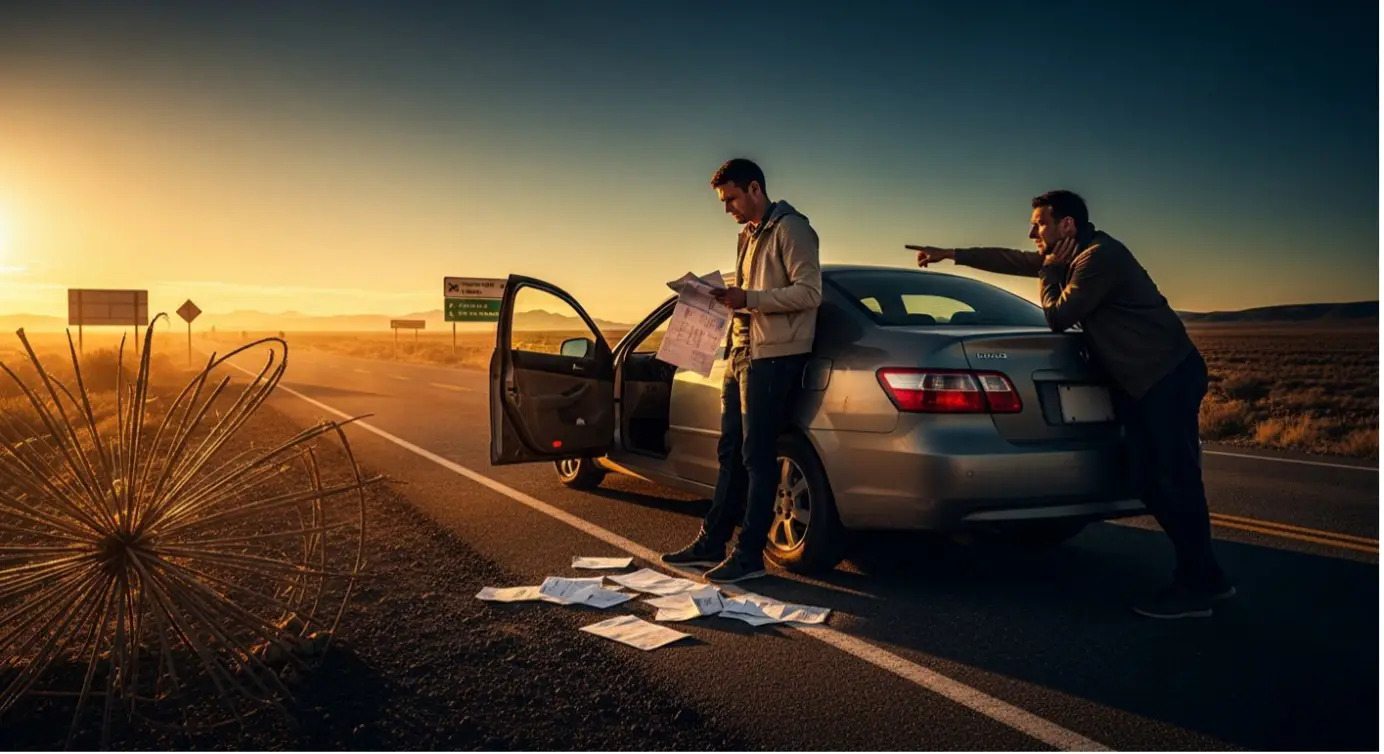
The allure of the open road is undeniable, but preparedness goes beyond mapping routes and booking hotels. Learn how to mitigate the critical threats that can turn a road trip adventure into a catastrophe.
| Overlooked Risk | Key Mitigation Strategy | Potential Financial Impact |
| Accidents with Uninsured Drivers | Maintain adequate Uninsured/Underinsured Motorist (UM/UIM) coverage and consult legal counsel. | High (Medical bills, lost wages, vehicle repair) |
| Rental Car Damage Disputes | Conduct a thorough pre-rental inspection with time-stamped photos and videos. | Medium to High (Repair costs, fees, insurance claims) |
| Violating Unfamiliar Traffic Laws | Research local driving laws and regulations for your destination and any states you pass through. | Low to Medium (Fines, legal fees, license points) |
| Unexpected Mechanical Failures | Complete a comprehensive, professional pre-trip vehicle inspection before departure. | Medium (Towing, repairs, accommodation costs) |
| Medical Emergencies Far from Home | Verify health insurance coverage for travel and pack a comprehensive first-aid and medication kit. | High (Out-of-network medical bills, emergency transport) |
Preparing for the Unseen Challenges of the Open Road
While most trip planning covers routes and accommodations, true preparedness involves anticipating challenges that can derail a journey. The following risks highlight critical areas where foresight can prevent significant financial and logistical turmoil. We analyzed common travel mishaps and expert advice to identify threats that travelers often forget to consider.
- Accidents with Uninsured Drivers
A collision is one of the most immediate ways a road trip can be ruined, but the situation becomes exponentially more complex if the at-fault party lacks insurance. This risk is more common than many travelers realize, as industry data shows that nearly one in eight drivers on the road is uninsured. This statistic means travelers could be left with no clear path to compensation for medical bills, vehicle repairs, and lost wages, even when they are not at fault. What happens if you are injured by uninsured driver? In this scenario, a traveler’s own insurance policy becomes their primary line of defense through Uninsured Motorist (UM) or Underinsured Motorist (UIM) coverage.
Navigating these claims, however, can be challenging. The traveler’s own insurance provider may become an adversary as they seek fair compensation, often attempting to minimize their payout. Therefore, understanding your rights in this scenario is a critical piece of pre-trip knowledge. Legal firms specializing in personal injury cases are equipped to handle the complexities of uninsured motorist claims. An experienced attorney manages all communications with the insurance company, gathers the necessary evidence to strengthen the claim, and ensures all legal deadlines are met. They explore every option—from negotiating with the client’s insurer to filing a lawsuit against the at-fault driver—protecting financial interests while the client focuses on recovery.
To protect yourself, it is essential to take the right steps immediately after an accident:
- Call the police so that an official incident report is made.
- Document the scene thoroughly with photos and videos of vehicle damage, injuries, and the surrounding area.
- Share contact and insurance details with the other driver, but don’t say anything that could be taken as admitting fault.
- Contact your insurer as soon as you can to report the incident.
- Seek a free consultation with a personal injury attorney to understand your rights and options.
- Hidden Costs and Liabilities of Rental Car Damage
Renting a vehicle offers convenience but also introduces the risk of disputes over damages. Travelers are often surprised by hefty bills for minor scratches or dents they believe were pre-existing. Proving you did not cause the damage can be difficult, as reports on peer-to-peer rental platforms highlight. One student renter on Turo was billed over $1,200 for a minor scratch that was impossible to see upon pickup due to mud. In another incident, a Turo host found his Corvette C8 returned with heavy damage and over 80 engine fault codes, leading to a prolonged dispute over repairs. These situations lead to protracted arguments and unexpected charges.
To mitigate this risk, a meticulous inspection before leaving the rental lot is non-negotiable. Use a smartphone to take a detailed, time-stamped video and photos of the car’s interior and exterior, paying close attention to any existing scuffs, scratches, or stains. Before the trip, review personal auto insurance policies and credit card benefits; many premium cards offer a collision damage waiver that provides primary or secondary coverage, potentially saving hundreds on expensive insurance at the rental counter. Finally, repeat the photo and video documentation upon returning the vehicle to create a clear record of its condition.
- Navigating Unfamiliar Local Traffic Laws
Crossing state or national borders means entering new jurisdictions with unique traffic laws. What is legal in one place—such as a right turn on a red light or a specific speed limit—could result in a costly ticket elsewhere. Ignorance of local regulations, including HOV lane rules, speed camera enforcement zones, or differing laws for RVs, is not a valid defense and can lead to fines, points on a driver’s license, and significant travel disruptions. As one musician in South Africa discovered, unfamiliar roads can also present unique safety hazards and potential scams involving tow trucks after an accident, adding another layer of risk to driving in a new area.
Before departure, a brief online search of the rules of the road for the destination and any pass-through states is a crucial planning step. Modern GPS applications are invaluable tools, often providing real-time speed limit data and alerts. Paying close attention to road signage, especially when it differs from what is familiar, is essential for ensuring a safe and violation-free trip. This simple act of preparation can prevent costly legal issues and keep the focus on the journey itself.
- The Domino Effect of a Mechanical Failure
While a flat tire is an inconvenience, a major mechanical failure in a remote area can trigger a cascade of costly and dangerous problems. According to safety experts, many road trip breakdowns are preventable and stem from poor vehicle maintenance. A report from South Africa highlighted that poor road infrastructure contributes to a rising number of accidents, making vehicle readiness even more critical. A serious issue can leave travelers stranded for hours, facing expensive towing fees, limited and overpriced repair options, and the loss of non-refundable accommodation and activity bookings.
A comprehensive, pre-trip vehicle inspection by a trusted mechanic is one of the most important investments for any road trip. Key systems to check include tires (pressure and tread depth), brakes, all fluid levels, belts, and the battery. In addition, every vehicle should be equipped with a well-stocked roadside emergency kit containing items like jumper cables, a flashlight, and basic tools. Combining this preparation with a reliable roadside assistance plan can turn a potential trip-ending disaster into a manageable delay.
- Inadequate Preparation for Health Emergencies
A sudden illness or injury is stressful anywhere, but the challenge is amplified when far from home. A traveler’s primary care physician is unavailable, and their health insurance may not provide the same level of coverage out of state or abroad. As travel safety foundations warn, changing environments and activities increase risk. The Safer Tourism Foundation’s annual index revealed that reported safety incidents for UK travelers rose by 15% from 2023 to 2024, with heat-related illness becoming a growing concern. Similarly, emergency rooms prepare for an annual summer rise in medical and trauma cases, a trend that road-trippers should heed.
Before a trip, it is vital to contact the health insurance provider to confirm the policy’s coverage details for out-of-network and emergency care while traveling. Travelers should pack a first-aid kit tailored to their destination and planned activities, and ensure they have an adequate supply of any prescription medications. It is also prudent to carry both digital and physical copies of health insurance information, emergency contacts, and a pre-researched list of urgent care centers or hospitals along the planned route.
Journey with Confidence
A road trip promises adventure and freedom, but true freedom on the road comes from smart preparation. By anticipating these often-overlooked challenges—from the legal complexities of an accident to the fine print in a rental agreement—travelers can build a crucial safety net. This foresight transforms potential disasters into mere inconveniences, ensuring the journey and its memories remain overwhelmingly positive.