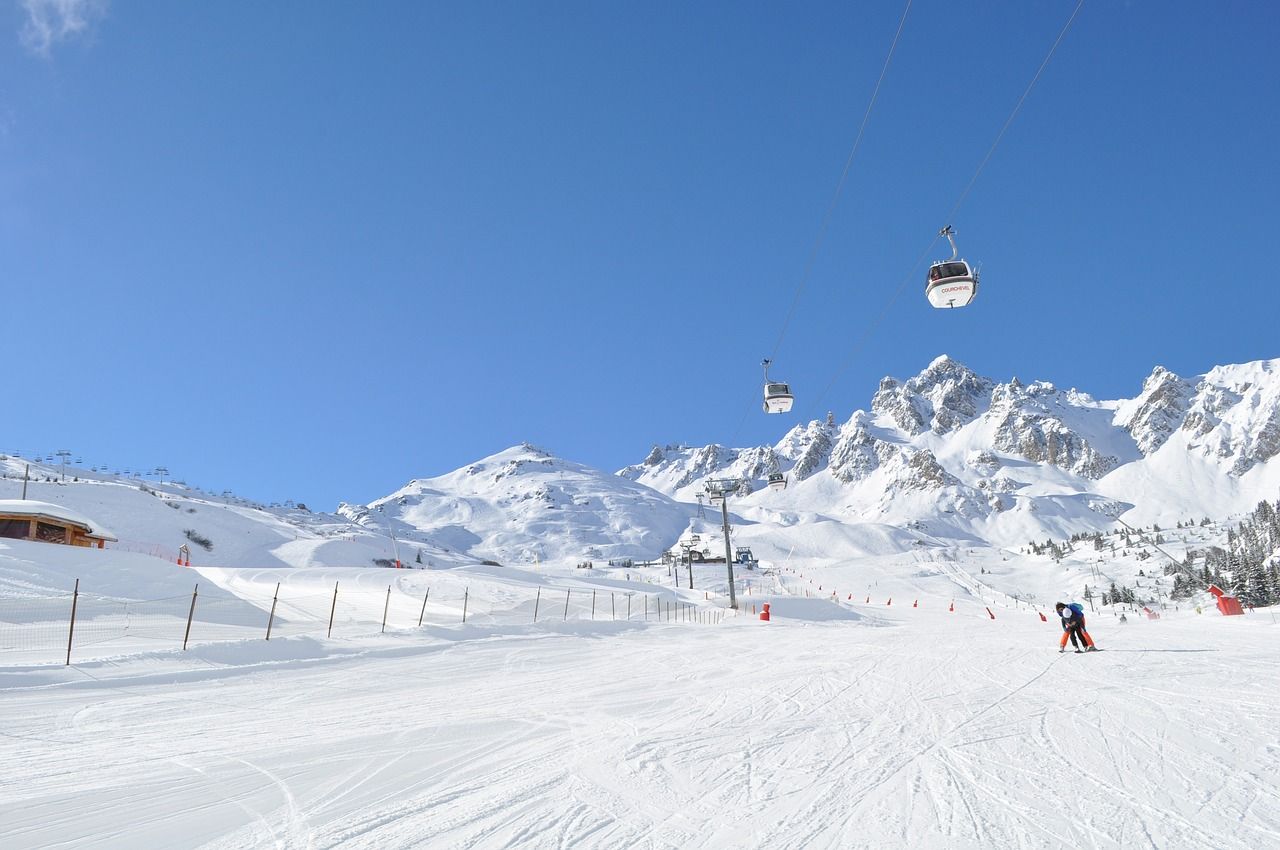
Courchevel is one of the most famous ski destinations in the French Alps, as it sits in Savoie and connects to the wider Les 3 Vallées area. In winter, most travelers arrive by air at nearby airports, then finish the trip by road to the resort. That last stretch is where plans can break down.
Mountain traffic builds quickly on peak changeover days. Snow can slow progress even when roads stay open. If you are arriving for a short stay, losing half a day in a transfer can feel like wasting the trip. This is why helicopter flights to Courchevel exist.
They can reduce the final leg dramatically, but only when conditions allow it. The smart way to plan helicopter travel is to treat it like a system, not a shortcut. Your transfer option affects your timing. Your timing affects your price. And Courchevel’s operating limits affect everything.
If you understand those links, you can choose the right transfer type, build a realistic schedule, and know what you are likely to pay.
Why Courchevel’s Altiport Changes the Rules
Courchevel is served by a high-altitude altiport designed for mountain operations. It is famous for being short, steep, and operationally strict. That matters because Courchevel is not like a normal airport where flights can arrive in a wide range of conditions. In simple terms, Courchevel requires good visibility and daylight operations.
If visibility drops, or conditions become unsafe, the plan can change. That change can mean delay, reroute, or landing at a lower-altitude location followed by a road transfer.
This is not a problem. It is the reality of mountain aviation. The problem is when travelers plan as if the helicopter leg is guaranteed to behave like a train schedule.
Once you accept that Courchevel is condition-dependent, the next step becomes obvious. You choose transfer options that match your risk tolerance, schedule flexibility, and budget.
Transfer Options Travelers Can Choose
Most helicopter transfers into Courchevel fall into two types. Each type serves a different traveler profile.
Shared Seat Transfers
- Shared seat transfers sell seats per passenger on planned rotations, usually during busy winter periods.
- They are designed for travelers who want the speed advantage without paying for a full aircraft.
- This option tends to work best when your group is small and your arrival time matches available departures.
- It is also best when you are comfortable with fixed timing, because shared flights typically do not wait long for delayed arrivals.
- Baggage rules are also strict. In winter, ski gear becomes the deciding factor.
- If you do not declare ski bags in advance, you risk either delays or rework at the worst moment.
- Shared seats can be a smart value. They just require more discipline and less entitlement about the schedule.
Private Charter Transfers
- A private charter reserves the entire helicopter for you. This option works best for families, groups, and travelers with strict arrival targets.
- It also helps when your baggage load is heavier, which is common in ski weeks.
- Private does not mean immune to weather. It means you have more control over departure timing and coordination.
- When you divide the total cost across several passengers, private travel can also become more rational than people assume.
- This is where planning matters. When travelers compare routes, dates, and group size together, the right answer often becomes clearer.
- That is one reason people use operators like Hoper during planning, because it helps evaluate different timing and pricing scenarios without forcing a commitment too early.
Now that the transfer types are clear, you need to know where these transfers most commonly start.
Common Airports for Courchevel Helicopter Transfers
Most travelers begin from the airport where their airline flight lands. It reduces connection risk and avoids adding an extra road leg before the helicopter. These are the most common gateways, with realistic timing considerations.
Geneva Airport
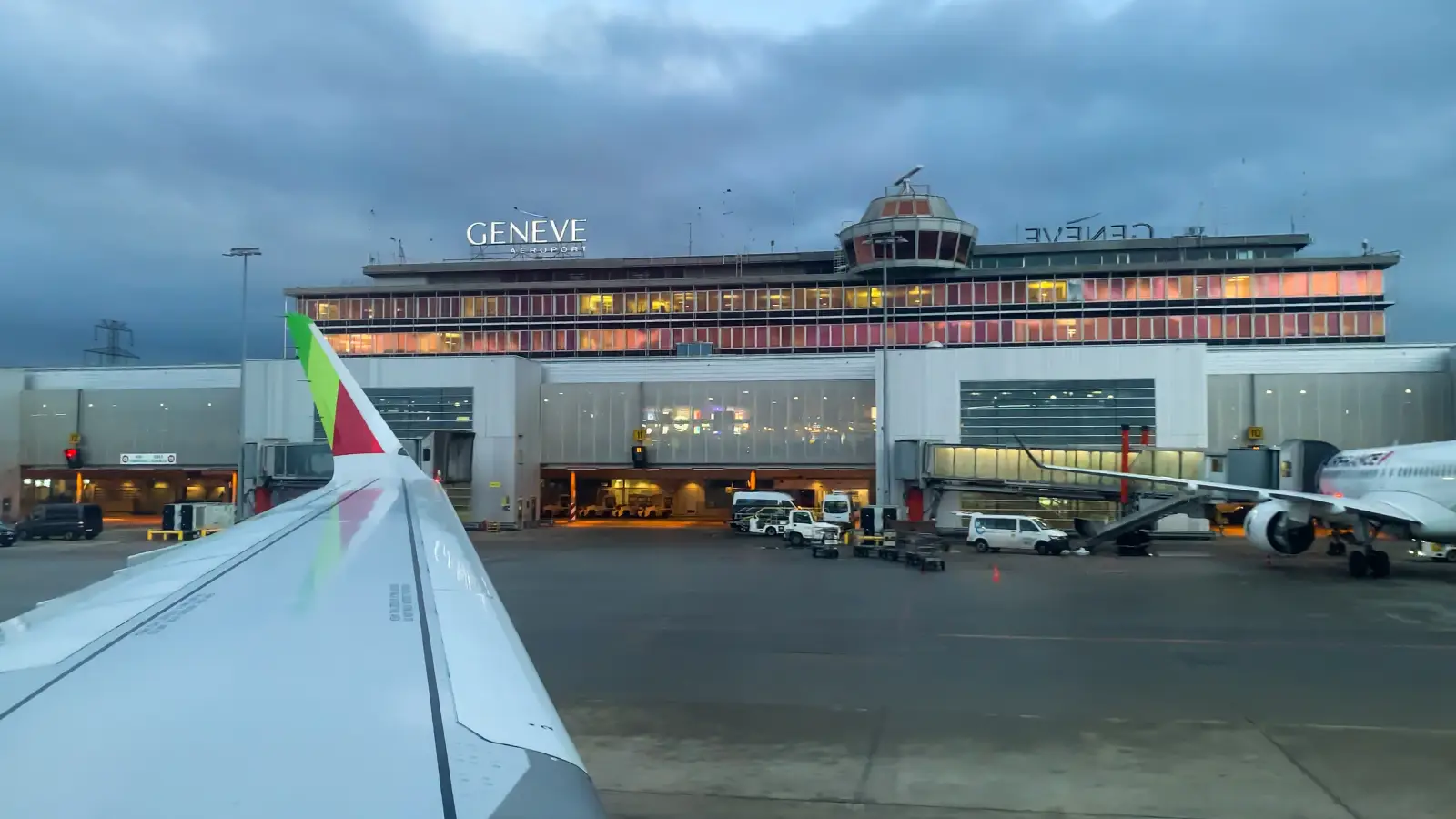
- Geneva is one of the most common arrival airports for Courchevel. It has extensive international service and high winter volume.
- The airborne portion is commonly cited in the mid-30-minute range, but a realistic plan must include the full door-to-door chain.
- A practical door-to-door expectation from touchdown in Geneva to arrival in Courchevel is often closer to 2 hours 25 minutes, depending on how fast you clear the airport, where the helipad pickup occurs, and whether you need a final shuttle after landing.
- That spread is not an exaggeration. It is how logistics behave when you include real-world steps.
Lyon Saint-Exupéry Airport
- Lyon is another strong gateway with solid European connections. It can be a smart alternative when Geneva is congested.
- Airborne time is commonly longer than Geneva. Door-to-door, the trip often lands in a similar overall window if terminal flow and ground coordination are smoother.
- A practical door-to-door expectation from touchdown in Lyon to arrival in Courchevel is 2 hours 17 minutes, depending on ground positioning and whether conditions allow a direct arrival at the altiport.
Chambéry Airport
- Chambéry is closer to the Tarentaise valley and sees seasonal winter traffic.
- The flight time is often the shortest of the major gateways. Door-to-door can also be the fastest, but only if your flight schedule aligns with the airport’s seasonal patterns and the helicopter can operate as planned.
- A practical door-to-door expectation from touchdown in Chambéry to arrival in Courchevel is often 1 hour 33 minutes.
- These ranges are what travelers actually need. They reduce missed connections and reduce stress when conditions shift.
Timings: What the Clock Really Includes
A helicopter transfer has five time blocks. When you plan them honestly, everything becomes easier.
1) Terminal Exit Time
- This is the time to deplane, clear any checks, and collect baggage. In peak ski weeks, baggage can be the slowest step.
2) Transfer to the Departure Point
- Some helipads are within airport facilities. Others require a short vehicle transfer.
- This is why an airport to Courchevel can have very different outcomes even for the same airborne time.
3) Safety Briefing and Loading
- This step is usually quick, but winter baggage can slow it down. Weight checks are routine.
- Loose items are secured. Ski bags need to be planned, not negotiated at the last minute.
4) Airborne Leg
- This is the part everyone focuses on. It matters, but it is only one block.
5) Arrival Handling and Final Ground Link
- If you land at the altiport, you still need to reach your hotel or chalet.
- If conditions require a lower-altitude landing, the final road segment becomes larger.
- This is why smart travelers do not plan helicopter transfers as a single line item.
- They plan them as part of an end-to-end route. It is also why comparing multiple options matters.
- When you review routes across dates and airports, you get a clearer picture of what is likely to happen.
- Once you understand timing, the next question becomes unavoidable. What happens when timing breaks due to weather?
Weather and Backup Planning: What a Responsible Plan Looks Like
Mountain conditions change quickly. Cloud can reduce visibility. Wind can shift routes. Snow can affect both landing conditions and the ground backup. Because Courchevel relies on visual operating conditions and daylight, a serious plan always includes a backup route.
The backup can be one of two types:
- A planned alternate landing at a lower altitude followed by a vehicle transfer to Courchevel.
- A full road transfer from the arrival airport if flights cannot operate.
The best plans treat backup as part of the booking, not as a panic purchase. That means knowing who arranges the car, how long the switch takes, and what costs apply. When travelers fail here, it is usually for one reason. They wanted to believe the helicopter was guaranteed. It is not. It is conditional. Accept that, and you plan like an adult.
What Sets the Price of a Courchevel Helicopter Transfer
Helicopter pricing feels mysterious until you break it down. In reality, most quotes follow predictable drivers.
Route Length and Aircraft Positioning
- Longer routes generally cost more. Repositioning matters too.
- If the aircraft must fly empty to reach the departure airport, that cost may appear in the quote, especially during high-demand periods.
Shared Seat Versus Private Charter
- Shared seats are priced per passenger. Private is priced per aircraft.
- This is why a private charter can look expensive until you divide it across five passengers.
- At that point, the per-person math often becomes competitive, especially when you factor in schedule control.
Aircraft Size and Baggage Capacity
- In winter, baggage is not a footnote. It is a cost driver. Larger cabins and higher baggage capacity generally mean a higher price.
- Declaring ski gear early protects both timing and cost, because it prevents last-minute reshuffling.
Seasonality and Lead Time
- Prices rise during peak Saturdays, holiday weeks, and late booking windows. Early planning almost always improves availability and reduces cost volatility.
Fees and Inclusions
- Quotes can differ because some include landing fees, taxes, and ground links while others itemize them.
- Two quotes can look far apart while offering the same total once you compare inclusions correctly.
- That leads directly to what you actually want. What will you pay?
What Travelers Typically Pay
- You cannot publish a single fixed price without lying. But you can give defensible bands that match how the market behaves, and you can explain what makes those bands move.
Shared Seat Pricing
- Shared seats, when available, commonly appear in the high hundreds per passenger on popular routes.
- The lower end usually reflects limited availability and strict schedules.
- The higher end often reflects peak dates and constrained capacity.
Private Charter Pricing
- Private charters commonly fall between €565 to €1565 per flight for major gateway routes, depending on aircraft size and timing.
- For a group of four to six, that starts from €3565, with far more control over timing.
How to Make the Price Make Sense for Your Group
If you are one traveler, shared seats often make the most sense if you can align with the schedule. If you are four to six travelers, a private charter becomes rational when you divide the total cost. It also reduces the operational risk created by misaligned schedules, because you are not trying to fit into a rotation.
This is where planning comparisons matter more than opinions. If you compare Geneva versus Lyon for your dates, and compare shared versus private for your group size, the best option usually becomes obvious. Now that pricing is clear, you should set expectations on what to check before booking. This is the part that prevents unpleasant surprises.
Booking Checks That Prevent Last-Minute Chaos
Before you confirm, make sure these points are clear:
- The exact meeting point and whether airport-to-helipad transport is included.
- Baggage rules and how ski bags are handled.
- What happens if Courchevel cannot be used due to the weather?
- Whether a lower-altitude landing is possible and how the ground link is managed.
- What is included in the quote, and what is extra?
- Cancellation and rescheduling terms
These checks are not paranoia. They are how you keep a high-end transfer from turning into a messy day.
When a Helicopter Flight Fits Best
A helicopter transfer is most effective when your time has a high value. That includes short stays, family trips where road time is exhausting, and peak arrival days when mountain traffic becomes unpredictable.
It also works well when you plan it as a system. You select the right transfer type, you set door-to-door timing expectations, and you keep a backup road plan ready.
When a Road Transfer Is the Better Call
Road transfers are better when budgets are tight, arrivals are late, or visibility risk is high. They also handle oversized baggage loads more easily.
Some travelers keep both options in place. The helicopter is Plan A. The car is Plan B. That approach reduces stress because you are never trapped by a single assumption.
A Clear Planning Summary
Courchevel helicopter transfers can save hours, but only when you plan them like a mountain operation, not like a guaranteed shuttle. Choose shared seats for price efficiency when your timing is flexible. Choose private charters when control and group coordination matter.
Plan door-to-door timing, not just airborne minutes. Expect pricing to range from high hundreds per seat when shared options exist to low and mid thousands per flight for private charters, with seasonality and aircraft choice driving the difference.
If you compare routes, dates, and group size early, you avoid the most common mistake. That mistake is booking a transfer that looks fast on paper and becomes messy in reality. Planning with that mindset is exactly how you arrive in Courchevel with less time lost and more time skiing.
Top Photo Credit: Rawpixel.com / Shutterstock.com