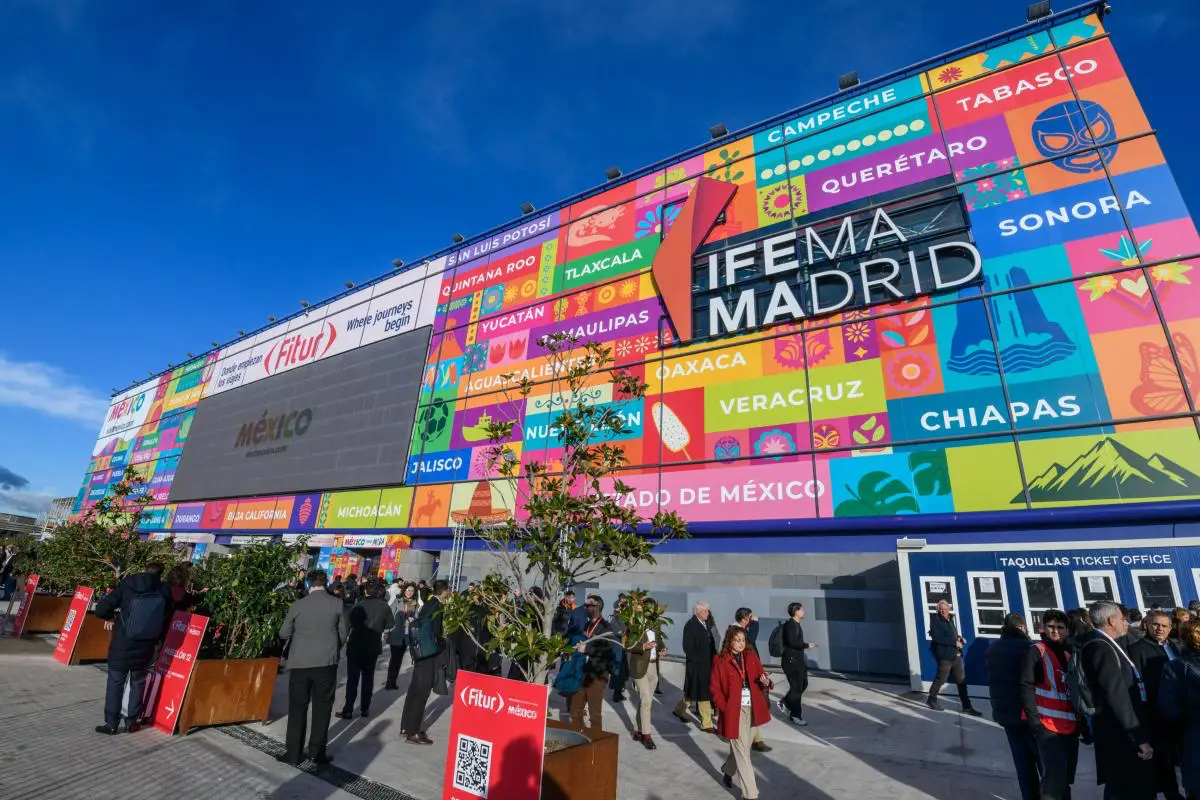
FITUR 2026 closes in Madrid with more than 255,000 visitors across five days, confirming its role as one of the world’s most influential tourism trade fairs and delivering an economic impact of €505 million for the city. Organised by IFEMA MADRID, the International Tourism Trade Fair hosts more than 10,000 companies from 161 countries, including 111 countries with official representation and 967 main exhibitors.
Professional attendance reaches 155,000 visitors, matching the previous edition while international participation rises by 12%, alongside an 11% increase in international exhibitors. A further 100,000 members of the public attend over the weekend, reinforcing FITUR’s appeal not only to industry leaders but also to travellers curious about emerging destinations and travel trends.
Why FITUR matters beyond the exhibition halls
For Madrid, the impact of FITUR stretches far beyond the trade stands. The fair generates €505 million in economic activity and supports 3,753 jobs, strengthening the city’s position as a major European hub for conferences, business tourism and international connectivity. Hotels report high occupancy, restaurants extend trading hours and transport networks see a surge in demand, creating a ripple effect that benefits neighbourhoods well beyond the IFEMA exhibition centre.
For travellers, FITUR offers a snapshot of where global tourism is heading. The 2026 edition opens against a strong backdrop for the industry: in 2025, international tourist arrivals worldwide exceed 1.5 billion, while Spain welcomes 97 million international tourists, according to official data. This momentum shapes the tone of discussions across the fair, with destinations competing not just for visitor numbers but for sustainable growth, smarter infrastructure and more inclusive travel experiences.
The scale of participation reinforces FITUR’s convening power. Representatives from 161 countries converge in nine exhibition halls, sharing strategies on aviation recovery, cruise development, cultural tourism and emerging markets. The presence of 111 countries with official representation signals how governments increasingly see tourism as a strategic economic driver rather than a purely seasonal industry.
The 46th edition also carries moments of reflection. A minute of silence marks solidarity with victims of recent railway accidents, echoed during the official opening when the King and Queen of Spain sign the book of condolences at the Andalucía stand. These gestures underline how closely tourism connects with national infrastructure, safety and public confidence — issues that ultimately shape traveller behaviour.
Institutional engagement remains strong, with more than 70 official visits from regional presidents, ministers and deputy ministers of tourism alongside senior tourism authorities. Their presence positions FITUR as a global forum for policy dialogue, international cooperation and long-term destination planning rather than simply a marketplace for brochures and deals.
What travellers can expect from the trends shaping 2026
One of the busiest areas of the fair is the Knowledge Hub, which hosts eight auditoriums, ten conference programmes, more than 200 sessions and over 250 speakers. Discussions range from digital transformation and artificial intelligence in travel planning to climate resilience, accessibility and skills development in hospitality. For travellers, these behind-the-scenes conversations translate into smoother booking journeys, better-connected destinations and more personalised experiences.
Specialised sections highlight how tourism continues to diversify. FITUR 4all advances accessible and inclusive tourism, reflecting growing demand for barrier-free travel across age groups and mobility needs. FITUR Cruises strengthens the profile of sustainable blue tourism, responding to traveller concerns about environmental impact while maintaining demand for ocean and river cruising.
New launches add further momentum. FITUR Experience, FITUR Lingua and FITUR LGTB+ focus on experiential travel, language-led tourism and inclusive travel communities, while FITUR Screen, Sports, Talent and TechY explore the intersection of tourism with film locations, major sporting events, skills development and technology. FITUR Woman places a spotlight on female leadership in tourism, and FITUR Know-How & Export showcases the international expertise of Spanish companies expanding abroad.
For travellers planning future trips, these segments point toward more specialised, interest-led holidays rather than one-size-fits-all packages. Whether it is tracing film locations, combining sport with city breaks, or seeking culturally immersive language travel, the fair suggests that choice and personalisation will continue to define the next wave of tourism growth.
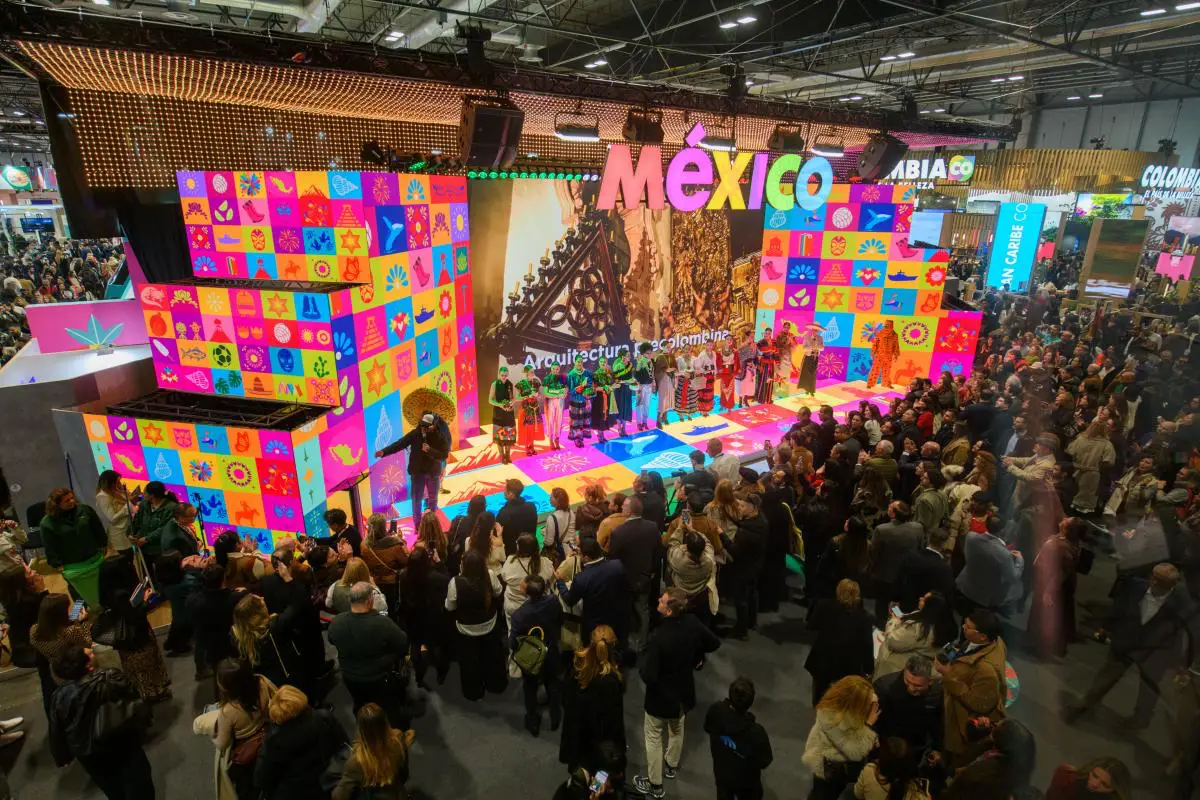
The partner country showcase also plays a role in shaping traveller curiosity. Mexico’s wide-ranging presence at FITUR 2026 highlights cultural heritage, gastronomy, coastal tourism and emerging inland destinations, reinforcing how large tourism fairs influence which places rise on travellers’ shortlists over the coming seasons.
Beyond destination marketing, FITUR’s success sends a wider signal about confidence in travel. High attendance, rising international participation and strong economic returns suggest that consumers remain willing to prioritise travel spending, even as global economic pressures persist. For cities like Madrid, hosting mega-events of this scale strengthens year-round tourism demand and global visibility.
Looking ahead, IFEMA MADRID confirms that preparations are already under way for FITUR 2027, with Puerto Rico announced as the next Partner Country. For travellers, that early signal offers a glimpse of the stories, routes and cultural experiences likely to dominate travel conversations in the coming year.
As record crowds leave the exhibition halls and business deals translate into new routes, products and partnerships, FITUR 2026 demonstrates how a trade fair can quietly shape the holidays people will book months or even years from now — turning industry strategy into real-world travel choices.