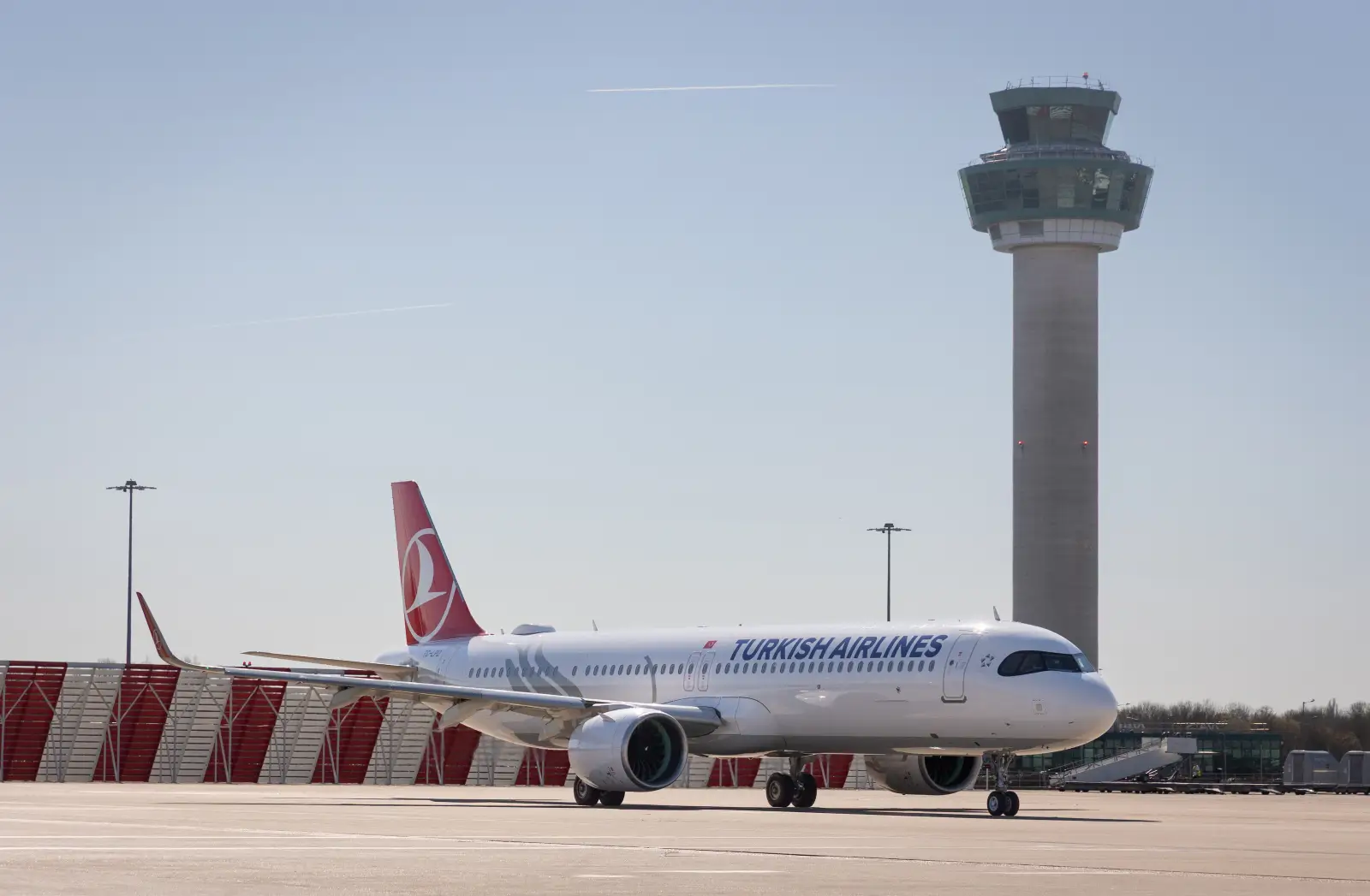
Turkish Airlines has announced a major leadership change, appointing a new chairman and chief executive as the carrier prepares for its next phase of global growth.
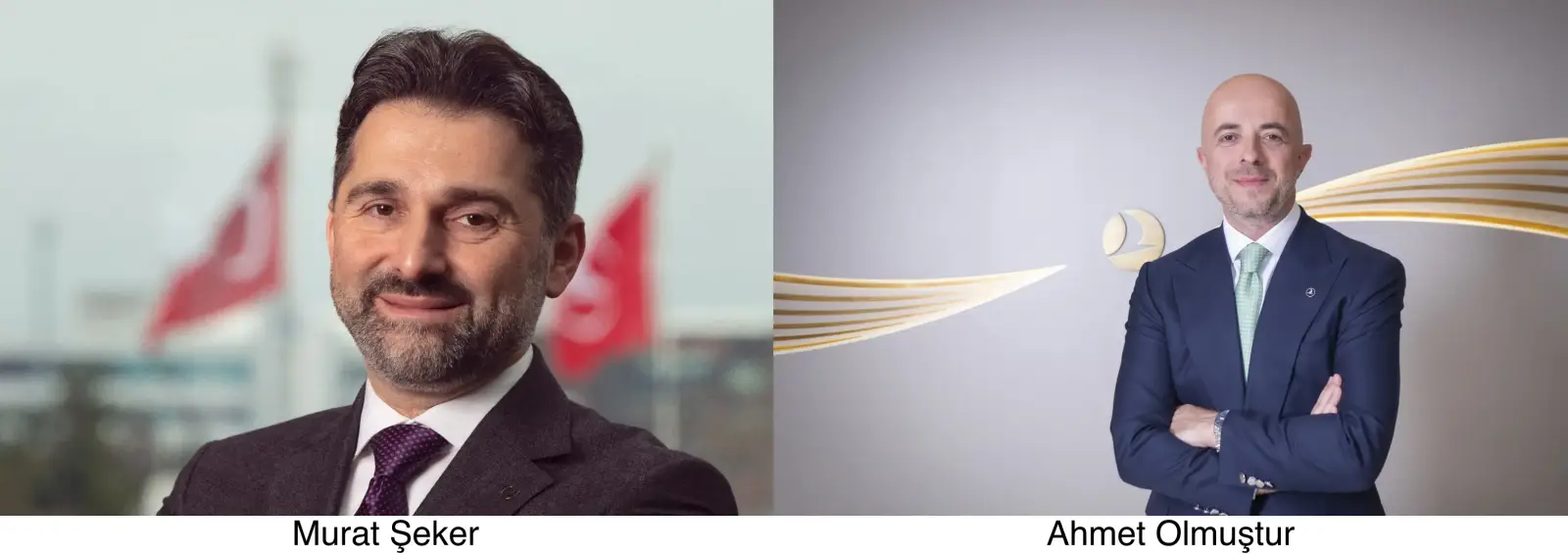
The airline confirmed that Murat Şeker will take over as chairman, while Ahmet Olmuştur has been named chief executive, replacing long-serving leaders in one of the most significant management reshuffles in recent years.
The appointments mark a shift towards internal leadership, with both executives having built long careers within Turkish Airlines. Şeker, who previously served as chief financial officer, brings extensive experience in finance and international banking, including roles at global institutions and within the airline’s wider group.
Olmuştur, the new CEO, began his career at the airline in 2000 and most recently served as chief commercial officer. Over the years, he has overseen key areas such as revenue management, pricing strategies, and the airline’s loyalty programme, helping to shape its commercial growth.
The leadership transition comes as Turkish Airlines continues to expand its global network, already one of the largest in the world by number of destinations. The carrier has set ambitious long-term targets, including significant capacity growth and fleet expansion over the next decade.
Industry analysts say the combination of a finance-focused chairman and a commercially driven CEO could signal a renewed emphasis on profitability alongside expansion, particularly as airlines navigate rising costs and shifting travel demand.
For travellers, the changes are unlikely to bring immediate disruption, but they could influence future decisions on routes, onboard services, and pricing strategies as the airline refines its competitive position.
Turkish Airlines has grown rapidly in recent years, strengthening its hub at Istanbul Airport and increasing its presence across Europe, Asia, Africa, and the Americas. The new leadership team is expected to continue this trajectory while adapting to evolving market conditions.
The reshuffle also reflects a broader trend across the aviation industry, where carriers are increasingly promoting internal talent to ensure continuity while responding to global competition and economic uncertainty.