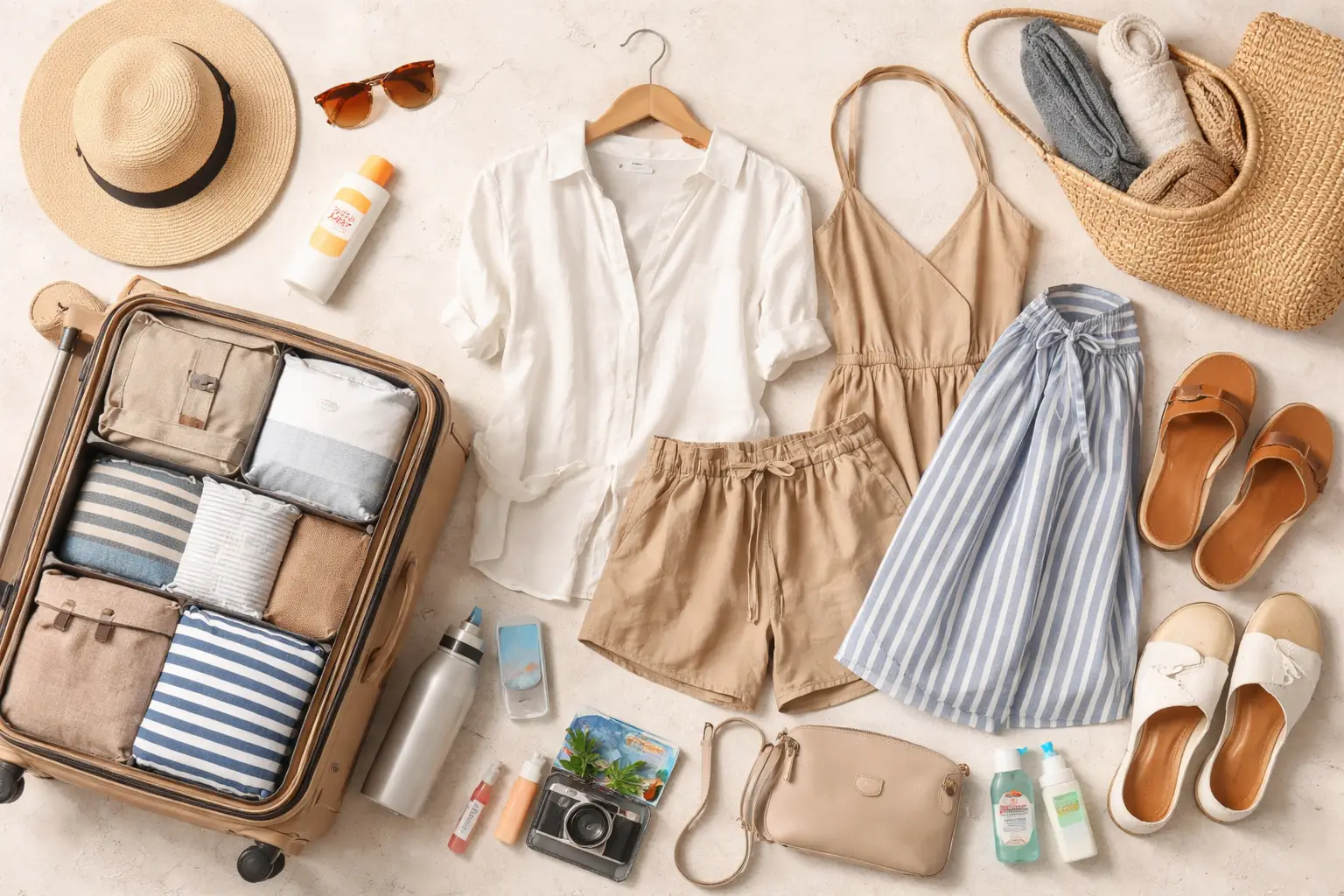
A Mediterranean summer trip sounds easy to pack for until you actually start thinking about it. Warm weather, beach days, city walks, boat trips, outdoor dinners, long travel days, and different local customs all pull your suitcase in different directions. It is tempting to throw in a few light outfits and hope for the best, but that usually leads to overpacking the wrong things and forgetting the items that matter most.
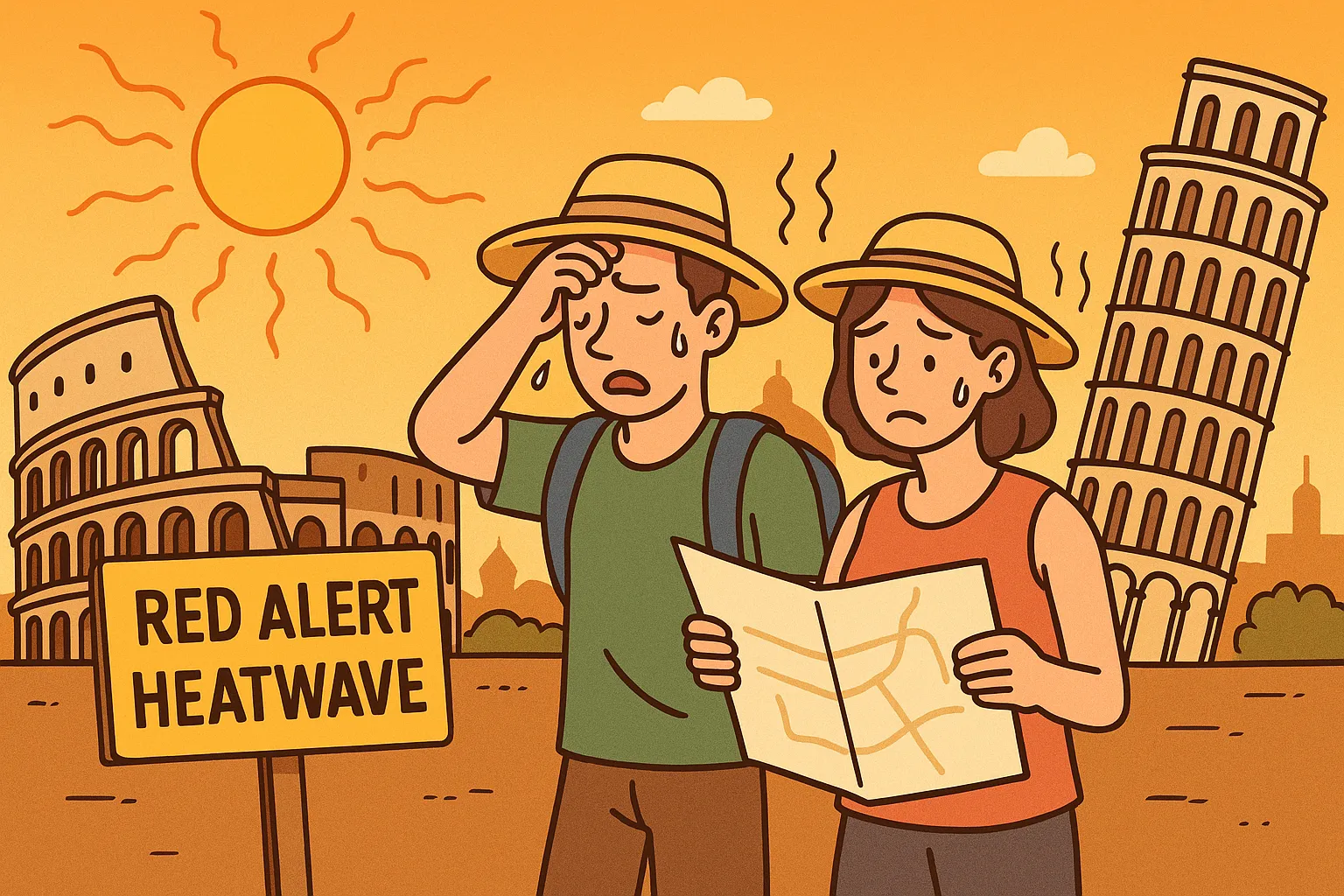
The better approach is to pack for how Mediterranean travel really works. Summer in the region often means strong sun, dry heat, plenty of walking, and long hours outdoors. It also means moving between casual beach settings and places where people still dress with a bit more care, especially in towns, restaurants, and religious sites. With heat risks and wildfire conditions remaining a real concern in parts of Southern Europe, practical choices matter even more in 2026.
Clothing Essentials
Clothing should do two things well on a Mediterranean trip: keep you cool and help you look put together without much effort. Lightweight fabrics are the obvious starting point. Linen, cotton, and breathable blends make far more sense than anything heavy or clingy. Loose shirts, airy dresses, relaxed trousers, light skirts, and easy daytime layers all work well because they help you stay comfortable in heat without looking underdressed.
It also helps to think in outfits rather than random pieces. Mediterranean travel often involves full days that start with sightseeing, shift into a café stop or beach visit, and end with dinner out. Clothes that can move across those settings save space and make packing easier. A light shirt that works over swimwear by day and with tailored shorts or trousers at night is more useful than something that only works in one setting.
Even in high summer, bring one light extra layer. Ferries, evening breezes, air-conditioned airports, and late dinners by the water can feel cooler than expected.
Sun Protection Gear
Sun protection is not optional on a Mediterranean summer trip. The light is strong, the exposure adds up quickly, and many people spend far more time outside than they realise. A good hat, reliable sunscreen, and proper eye protection earn their place immediately. Travel health guidance consistently recommends packing sunglasses, a hat, and sunscreen rather than assuming you will sort them out later.
This is where good sunglasses matter. They are not just there to make bright days feel easier. They help reduce glare, make long walks more comfortable, and become essential once you are around water, stone streets, or reflective coastal light. A pair you genuinely like wearing is always the best choice, because you are more likely to keep them on.
Sunscreen should be broad-spectrum and packed in a format that makes reapplying easy. A lip balm with SPF is worth bringing too, since lips tend to get overlooked until they are already dry or burnt. A cap or wide-brim hat adds another layer of protection and can make midday heat much easier to handle.
Beach and Water Activity Gear
Even if your trip is not built entirely around the beach, Mediterranean travel usually finds a way to involve water. That might mean swimming, boat days, coastal towns, paddleboarding, or a quick dip during a sightseeing break. Packing with that in mind makes the trip feel smoother.
Bring swimwear that you actually feel comfortable wearing for more than ten minutes. A lightweight beach cover-up or loose shirt is useful too, especially in places where you may move between the beach and cafés or shops. Quick-dry towels, waterproof pouches, and sandals with decent grip also make sense if your trip includes rocky shores, boats, or beach clubs rather than just hotel pools.
This is one of those categories where practicality matters more than quantity. One or two good swim pieces, solid sandals, and a few useful extras are usually better than overpacking options you never reach for.
Travel Accessories
The best travel accessories are the ones that quietly remove hassle. A sturdy day bag, a refillable water bottle, and a compact tote or foldable bag make a big difference in places where you are out for long hours. Hydration matters more in Mediterranean summer heat than many travellers expect, and health guidance continues to emphasise drinking plenty of water and packing smart for hot-weather trips.
A crossbody bag works well for cities and day trips because it keeps essentials close without becoming awkward in crowds. Packing cubes help more than people think, especially if you are moving between multiple hotels or islands. And if your trip involves ferries or train changes, a suitcase or bag that is easy to lift matters more than a fashionable one that becomes annoying on stairs and uneven streets.
Health & Safety Essentials
This is the category people most often underestimate. A small, well-packed health kit can save you time, money, and unnecessary stress once you are away from home. Travel health advice recommends packing things like sunscreen, insect repellent, glasses or contact lens supplies, hand sanitiser, and a simple first-aid setup before you leave.
For a Mediterranean trip, that means bringing any prescription medication you need, plus a few basics such as pain relief, blister plasters, antihistamines, and something for stomach issues. If you wear contact lenses, bring enough supplies for the whole trip. If you wear glasses, having a backup pair is always smart.
Insect repellent is worth packing too, especially for evenings, coastal areas, or trips that include more rural settings. Bug-bite guidance also notes that repellent should be applied after sunscreen if you are using both.
Tech and Gadgets
Travel tech should make the trip easier, not heavier. A phone, charger, power bank, and universal adapter usually cover most needs well. If you are using your phone heavily for maps, bookings, translation, restaurant searches, and photos, a power bank quickly stops feeling optional.
If your trip stays within the EU or EEA, roaming rules still make it easier to use your phone abroad without extra roaming charges, which is useful when planning how much tech you actually need to bring. The same framework was also extended to Moldova from January 2026.
Noise-cancelling headphones can be useful on flights and ferries, but for day-to-day travel, many people do better keeping gadgets simple. Too much tech creates more things to charge, more things to keep track of, and more ways to feel tied to your bag.
Cultural Etiquette and Packing for the Region
Mediterranean travel often feels relaxed, but that does not mean anything goes everywhere. In many towns and cities, people still dress with a bit more intention than visitors expect. Beachwear usually belongs at the beach. Churches and some cultural sites may require shoulders and knees to be covered. Even casual evening dining can feel smarter than what some travellers pack for.
That is why a few polished pieces go a long way. A simple linen shirt, a clean dress, a good pair of sandals, or lightweight trousers can help you feel more in step with the setting. Packing with a bit of local respect in mind also makes your wardrobe more versatile.
Final Tips for Packing in 2026
The smartest packing tip for 2026 is still the oldest one: pack for the trip you are actually taking, not the fantasy version of it. Think about how much walking you will do, how often you will be outside, whether you will move between islands or cities, and how hot it is likely to feel in practice.
Check weather and transport conditions close to departure, especially during peak summer, when delays, heat, and regional travel disruptions can affect plans. Keep room in your suitcase for movement rather than filling every corner. Mediterranean summer trips usually feel better when your bag is lighter, your clothes are easier to mix, and your essentials are easy to find.
Conclusion
Packing for a Mediterranean summer trip in 2026 is less about bringing more and more about bringing the right things. Breathable clothes, strong sun protection, smart health basics, a few useful accessories, and simple, reliable tech will usually serve you better than an overstuffed suitcase full of “just in case” items.
The goal is to feel comfortable, prepared, and ready to enjoy the rhythm of the trip. If your suitcase makes hot days easier, long walks more manageable, and outdoor time more enjoyable, you packed well.