Mexican President Claudia Sheinbaum has called for stricter security measures at the country’s tourist and archaeological sites after a lone gunman opened fire on visitors at the Teotihuacan pyramids, killing one Canadian tourist and injuring 13 others less than two months before the FIFA World Cup.
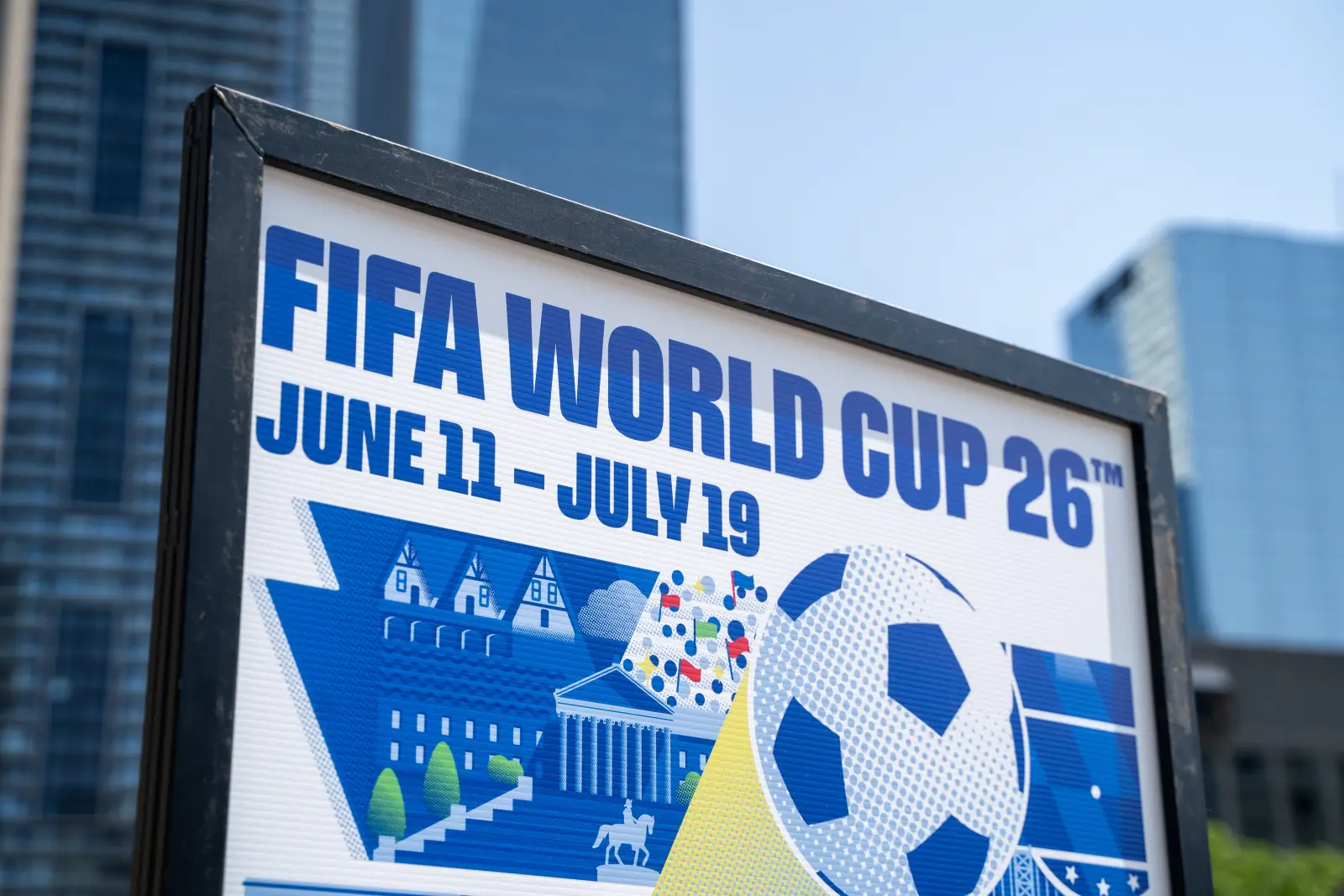
The April 20 attack at the UNESCO World Heritage Site on the outskirts of Mexico City prompted immediate questions about visitor safety ahead of the tournament, which Mexico will co-host with the United States and Canada starting June 11.
President Demands Stronger Entry Controls
Sheinbaum addressed the incident at her morning press conference the following day, acknowledging that the site lacked adequate security filters to prevent the attack. “We need to have better security to make sure someone can’t enter an archaeological site, a tourist site, with a firearm,” she said.
Security officials identified the shooter as 27-year-old Julio Cesar Jasso Ramirez. Mexico State Prosecutor Jose Luis Cervantes Martinez told reporters the attack “wasn’t spontaneous,” adding that Ramirez made preliminary visits on multiple occasions to the archaeological site, stayed in hotels near the site ahead of time, and from there planned his violent acts. Officials confirmed he died from a self-inflicted gunshot wound. A gun, knife and ammunition were found on his person.
100,000 Security Personnel Pledged for World Cup
The shooting comes as the Mexican government has intensified efforts to project an image of safety ahead of the tournament. Mexico is scheduled to host 13 matches across three cities: Mexico City, Guadalajara and Monterrey. General Roman Villalvazo Barrios, head of Mexico’s World Cup coordination centre, said the security plan includes 20,000 military personnel including National Guard troops, 55,000 police officers, and private security contractors, bringing the total to just over 99,000 personnel.
Officials also confirmed the deployment of more than 2,000 military vehicles, dozens of aircraft and drones, and dedicated security perimeters around stadiums and airports in all three host cities.
Cartel Violence Had Already Raised Concerns
The Teotihuacan attack is not the first security challenge to test Mexico’s World Cup preparations. In February, cartel members launched retaliatory attacks across the country following the army’s killing of Nemesio Oseguera Cervantes, the leader of the Jalisco New Generation Cartel. The violence, which claimed 70 lives, was concentrated in Jalisco state, including Guadalajara, which is set to host four World Cup matches. The unrest prompted World Aquatics to cancel a Diving World Cup event scheduled near the city.
FIFA President Gianni Infantino has sought to reassure the public, telling Sheinbaum in a phone call that he has “full confidence” in Mexico as a host nation. “As in every country in the world, things happen, which is why we have states, police and authorities who will ensure order and security,” Infantino said. The opening match of the tournament takes place at Azteca Stadium in Mexico City on June 11, with Mexico facing South Africa.