Tourist arrivals to Morocco-controlled Western Sahara have surged by more than 50% over the past seven years, with new European airline routes and growing hotel investment helping transform a disputed desert territory into an emerging travel destination. But the boom is fuelling a fierce debate over international law, corporate responsibility and whether the commercial normalisation of the territory is helping cement Morocco’s contested claim to it.
Visitor numbers climbed from 490,297 in 2019 to 743,133 in 2025, according to data from Morocco’s Ministry of Tourism. The rise has been driven in part by a wave of new direct flights from European cities. Ryanair launched routes from Madrid and Lanzarote to Dakhla, a city on the Atlantic coast, in January 2025, after announcing in November 2024 that Dakhla would become “the thirteenth airport in Ryanair’s Moroccan network”. Transavia France has expanded its own Dakhla service, now connecting the territory from multiple French cities including Marseille, Bordeaux, Toulouse and Lille. Royal Air Maroc and Air Arabia also serve the territory.
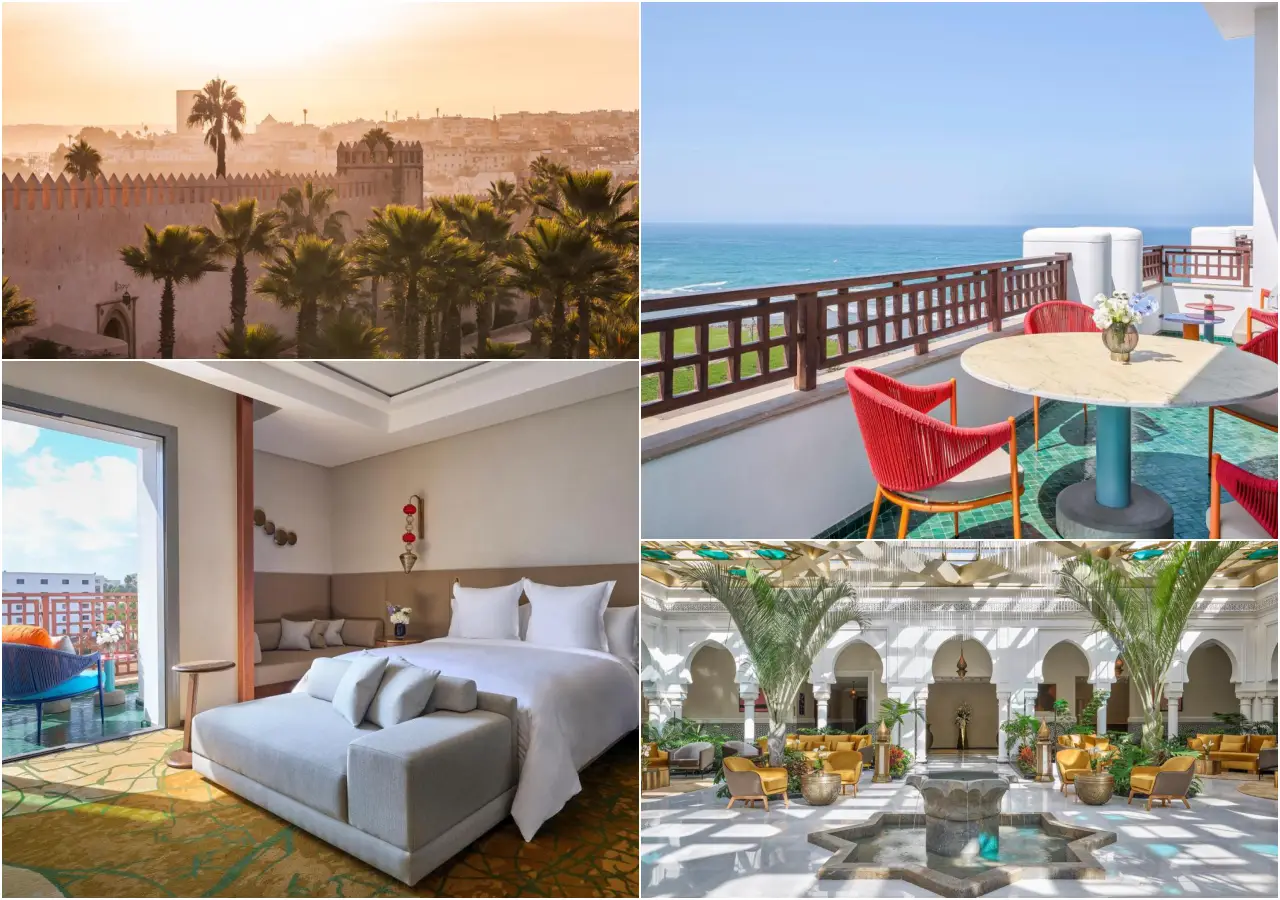
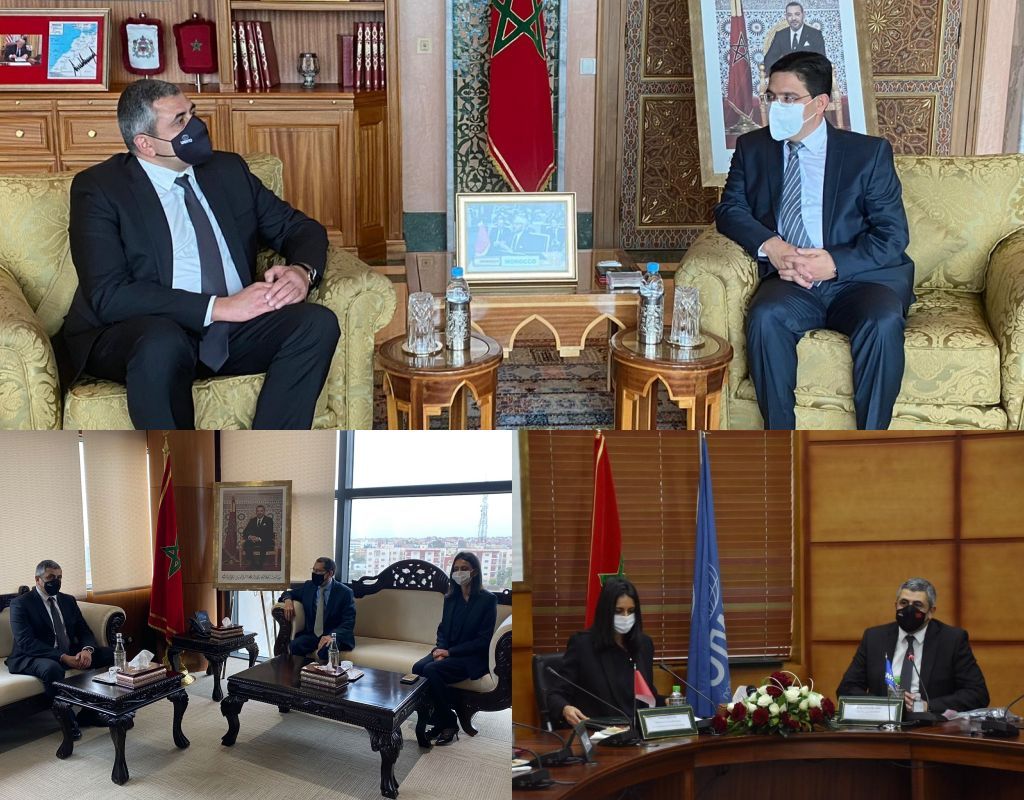
Moroccan Tourism Minister Fatim-Zahra Ammor told AFP that the new connections had made it possible to roughly double the international seat capacity at Dakhla airport, with around 47,000 seats available in 2024. New luxury resorts, eco-tourism developments and campaigns promoting the area as “Morocco’s hidden gem” have followed the airlines into the territory.
A Disputed Territory With a Long History
Western Sahara is a former Spanish colony. After Spain withdrew in 1975 and 1976, Morocco claimed the territory, triggering an armed conflict with the Polisario Front, the liberation movement that seeks an independent state for the indigenous Sahrawi people. A UN-brokered ceasefire in 1991 included plans for a self-determination referendum, but that vote has never been held. Today Morocco controls around 80% of the territory, which it refers to as its “southern provinces”, while the Polisario Front administers a narrow eastern strip.
The United Nations continues to classify Western Sahara as a non-self-governing territory, and its final status remains unresolved under international law. In October 2024, the UN Security Council voted to prioritise Morocco’s autonomy plan as the most likely political path forward and extended the UN peacekeeping mission for another 12 months. The United States, which recognised Morocco’s claim in 2020 in exchange for Morocco normalising relations with Israel, led the motion. The Polisario Front rejects Morocco’s autonomy proposal and insists on the right to full self-determination.
Airlines Under Fire for “Moroccan” Labelling
At the centre of the controversy is how airlines and travel companies describe the territory. Ryanair has consistently marketed Dakhla as a destination in Morocco. Its promotional emails have invited potential passengers to embark on their “next Moroccan adventure”, and its social media posts featured the word “Dakhla” displayed alongside the Moroccan flag. Transavia France told the BBC it “operates flights to Dakhla in accordance with the authorisations received from the authorities”. Ryanair has not publicly responded to requests for comment on the labelling issue.
Not all carriers have taken the same approach. Binter Canarias, the flag carrier of Spain’s Canary Islands, which operates flights to both Dakhla and Laayoune, the territory’s largest city, refers to the area as Western Sahara rather than Morocco.
The legal position of European airlines operating in the territory is complicated. In November 2018, the Court of Justice of the European Union ruled that the Euro-Mediterranean Aviation Agreement between the EU and Morocco does not apply to Western Sahara, on the grounds that the territory is separate and distinct from Morocco and that Morocco holds no sovereignty over it. The ruling stated explicitly that Moroccan territory must be understood as referring only to areas over which Morocco exercises “the full range of powers recognized to sovereign entities by international law, to the exclusion of any other territory such as that of Western Sahara”.
In December 2024, the European Commission reconfirmed that position, informing EU carriers at a consultative forum that the aviation agreement “does not apply to routes from the territory of an EU Member State to the territory of the Western Sahara”. EU Commissioner for Sustainable Transport and Tourism Apostolos Tzitzikostas confirmed the Commission’s stance in a written response to the European Parliament in January 2025. The result, as analysts at the European Council on Foreign Relations have noted, is that EU carriers operating these routes are functioning in “a regulatory vacuum”.
Rights Groups and Legal Experts Raise Alarms
Erik Hagen of the campaign group Western Sahara Resource Watch said the marketing of the territory as Moroccan was “concerning and misleading”. He warned that when companies describe destinations in Western Sahara as Moroccan, “they risk contributing to a distortion of international law and public understanding”, and that doing so raises “serious questions about corporate responsibility and due diligence in politically sensitive and illegally occupied territories”.
The Polisario Front’s representative to the UK and Ireland, Sidi Breika, said tourism was being used to create a “fait accompli” for Morocco’s sovereignty claim. He said all economic projects carried out in the territory “under illegal occupation violate the inalienable right of Saharawi people to self-determination and independence, clearly recognized by the UN”. Breika confirmed that the Polisario was watching Ryanair “closely” and considering legal action. Oubi Bouchraya, the Polisario’s representative to UN agencies in Geneva, made a similar threat to AFP, arguing that airlines are “operating outside international law”.
Online Travel Platforms Also Criticised
The controversy extends beyond airlines. A review by the BBC found that Expedia, Booking.com and Trivago all list hotels in Western Sahara as being in Morocco. A Booking.com spokesperson said the company adds contextual information to its platform for regions that are disputed or affected by conflict, to help travellers “make a well-informed choice”, and advised customers to consult official travel advisories. Expedia declined to comment. Trivago had not responded at the time of publication.
Airbnb adjusted its approach last year, removing references to Western Sahara listings as being in Morocco following sustained pressure from campaign groups. The decision demonstrates that travel companies can and do revise their labelling when challenged, and advocates say it sets a precedent that others should follow.
The View From the Ground
For visitors who have made the trip, Dakhla presents a picture of a destination that is still finding its feet. Tom Ruck, a 29-year-old British traveller who flew there from Madrid with Ryanair, said the resorts were “very, very empty” and the area “definitely felt like it was in its infancy”. Ruck received a Moroccan stamp in his passport and observed the Moroccan flag flying throughout the city, an experience that reflects the broader ambiguity of a destination whose political status and tourism identity remain deeply contested.
For adventure travellers, the territory does offer genuine appeal. Dakhla’s Atlantic coast is internationally regarded as a world-class destination for kitesurfing and water sports. Camel treks across the Sahara, desert 4×4 expeditions and access to remote, undeveloped landscapes have begun attracting visitors seeking alternatives to more established Moroccan cities. French tourists represent the largest foreign visitor group to Morocco overall, accounting for nearly 29% of all arrivals in 2025, and early 2026 indicators show French arrivals rising by 14% year on year.
Morocco’s Broader Strategy
The tourism push forms part of a deliberate effort by Rabat to integrate Western Sahara economically into its national development agenda. Alongside aviation expansion, Moroccan authorities have invested in new road and hospitality infrastructure in Dakhla and Laayoune, and the territory has been promoted at international forums targeting global tour operators. Legal analysts and advocacy groups argue that this commercial normalisation is intended to strengthen Morocco’s de facto administrative control, regardless of the territory’s unresolved political status.
Whether that strategy succeeds or triggers a significant legal or political backlash will depend partly on whether European institutions move to enforce the rulings of their own courts. For now, the flights continue, the hotels are filling up, and the dispute over how to describe a windswept peninsula on the edge of the Sahara shows no sign of resolution.
Photo Credit: kudla / Shutterstock.com