French environmental campaigners have unveiled a new proposal to cap air travel at 2 flights per person a year, arguing the measure could cut national air traffic by 24 percent while affecting only the small share of travelers who fly most often.
The plan comes from Forum Vies Mobiles, a Paris based think tank focused on transport and mobility, which published a sociological study on 16 June 2026 examining who flies in France, how often, and why. According to the study, 8 in 10 French people have flown at least once in their lifetime, but only 10 percent took more than 2 round trips in the past year. That same small group of frequent flyers accounts for the bulk of the sector’s carbon footprint.
The research found that the top 20 percent of travelers are responsible for 76 percent of all flights and nearly 90 percent of the distance flown by French citizens. Across a lifetime, just 5 percent of travelers take more than 100 flights, while 70 percent of French people fly fewer than 10 times in their entire life. The study also noted that the rise of low cost carriers has not changed this imbalance. Three quarters of French people earning more than 6,000 euros a month have flown with a low cost airline, compared with only a third of those earning under 1,500 euros.
A Personal “Flight Credit” Instead of a Ban
Based on these findings, Forum Vies Mobiles proposes a personal annual credit of 2 round trip flights per person, excluding business travel. The idea is to place the burden of change on the roughly 10 percent of travelers who fly most intensively, rather than asking the entire population to cut back equally.
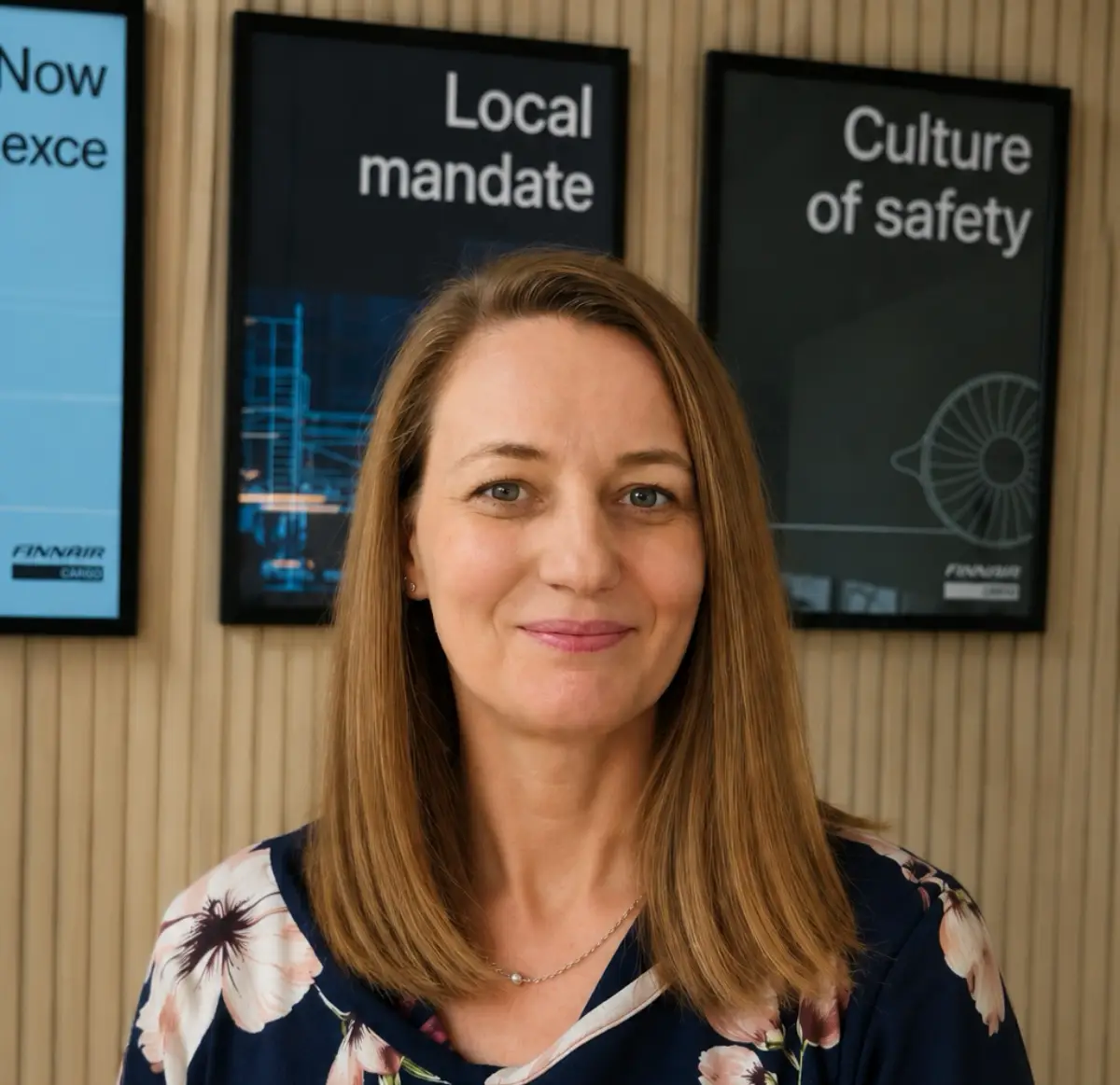
The think tank estimates the measure would reduce French air traffic by 24 percent, avoiding more than 5 million tonnes of greenhouse gas emissions every year. Sylvie Landriève, director of Forum Vies Mobiles, presented the findings at a press conference on 16 June 2026, arguing that the debate too often swings between individual guilt and blanket bans, when targeting a small minority of very frequent flyers could deliver major climate benefits on its own.
Adrien Bonnet, a research project manager at Forum Vies Mobiles, said such a personalized quota could be built on existing airline reservation systems, which already record passenger identity through the Passenger Name Record, or PNR. He stressed that no resale of unused personal quotas would be permitted, and that the measure would be painless for 90 percent of French citizens while curbing the exponential growth of air traffic.
Aviation’s Outsized Climate Impact
Long haul flights make up only 12.5 percent of all flights but generate half of the sector’s greenhouse gas emissions, the study found. Aviation accounts for 6.4 percent of France’s total CO2 emissions, making it the most polluting mode of transport per kilometer traveled and the only transport sector whose emissions have kept rising quickly, up 2.7 percent a year since 2010.
The researchers also looked at “flygskam,” the Swedish-origin idea of flight shame that has shaped parts of the climate debate in Europe. According to the study, this sense of guilt affects only 15 percent of travelers and has little effect on actual flying behavior. Bonnet noted that people generally do not deny the carbon impact of flying, but instead develop justifications for their travel choices, citing a lack of alternatives, social or family pressure, or offsetting through other environmentally friendly habits.
Part of a Wider Push to Limit Flying
The 2 flights a year proposal joins a growing list of targets set by French climate campaigners. Greenpeace has long called for limiting individuals to one long haul flight every 10 years. In 2022, Jean-Marc Jancovici, an engineer and president of the think tank The Shift Project, proposed an even stricter lifetime quota of 4 flights per person, a suggestion that drew thousands of reactions online and remains widely debated in France.
Forum Vies Mobiles has not presented its credit system as draft legislation or an imminent policy change. Instead, the group frames it as a model for a future transport system, intended to reframe how flying is distributed across the population rather than relying solely on voluntary behavior change or taxation.
France remains one of the main testing grounds in Europe for debates over the future of aviation demand, as climate groups push for firmer limits while airlines and the tourism industry continue to depend on passenger growth and international connectivity. With transport emissions still rising and pressure from campaigners showing no sign of easing, the question of how far governments are willing to go in regulating individual flying habits looks set to remain a central part of France’s climate debate in the years ahead.
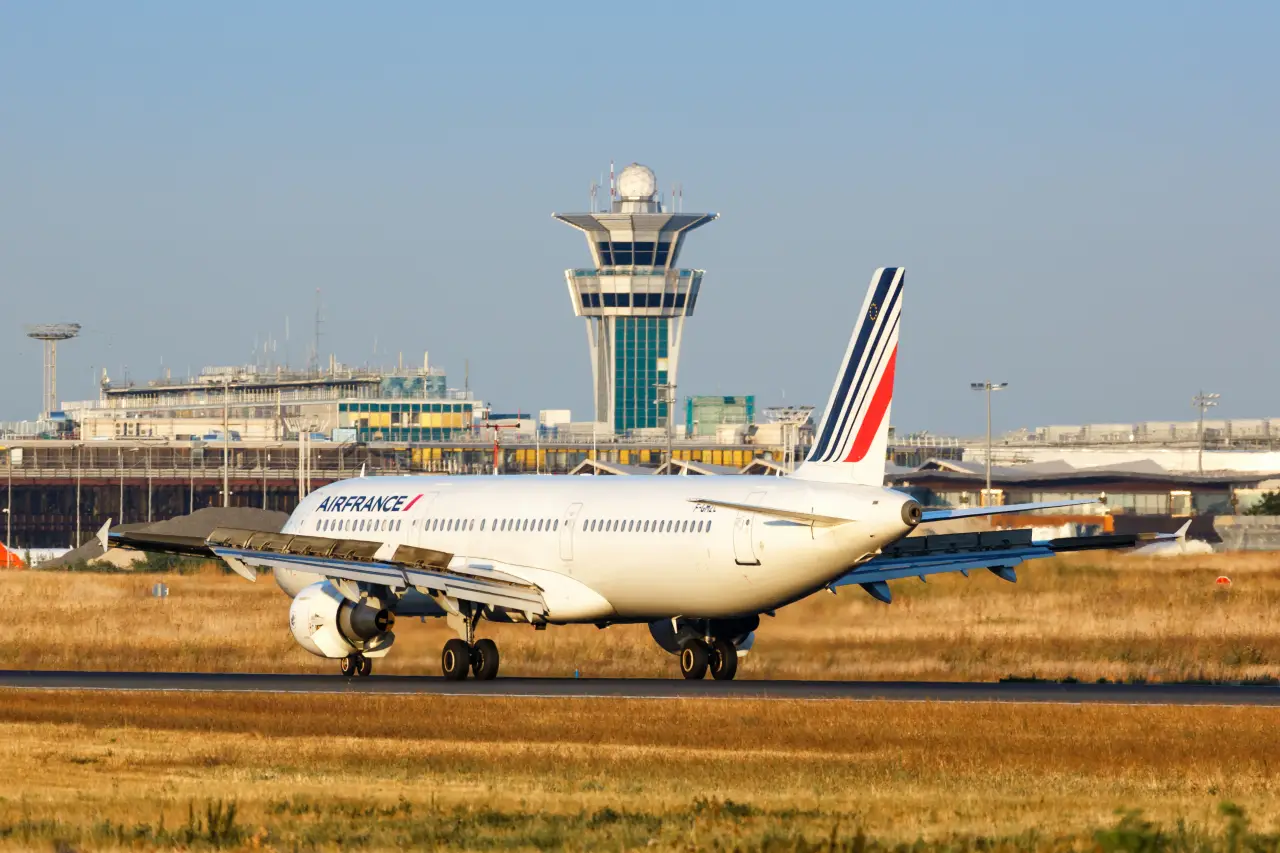
Photo Credit: Markus Mainka / Shutterstock.com