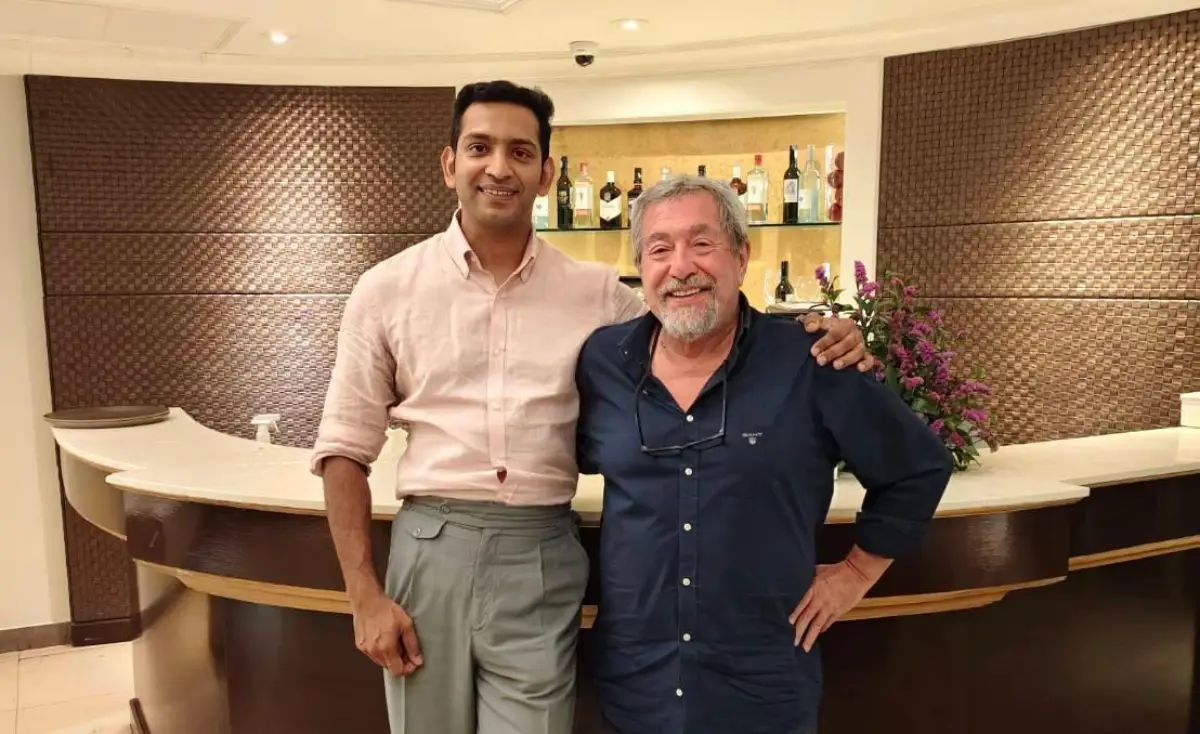
With more than two decades of experience across India, Egypt and Thailand, Ajish Menon has witnessed the hospitality industry’s transformation from traditional service models to an era shaped by technology, wellness and personalization. In an interview with FTNnews, conducted by Suat Töre, the Dusit Thani Hua Hin Hotel Manager discusses the future of Thailand tourism, the growing role of AI in hospitality, changing guest expectations and why genuine human connection remains the foundation of memorable travel experiences.
Could you please introduce your background in tourism and the hotel industry?
I have been working in the hospitality industry for more than 21 years across India, Egypt and Thailand. I began my career in Food &Beverage before progressing into broader operational and leadership roles.
Over the years, I have had the privilege of working with renowned hospitality brands including Marriott, The Leela Palaces, Taj Hotels, Kempinski and now Dusit Hotels and Resorts. Each experience has shaped my understanding of service excellence and guest expectations across different markets and cultures.
Today, as Hotel Manager of Dusit Thani Hua Hin, I oversee the day-to-day operations of the resort. What continues to inspire me is the opportunity to create memorable experiences for our guests while nurturing talented teams and fostering a culture of genuine care and hospitality.
What are your thoughts on the future of the hotel industry in Thailand, Asia and globally? What are the key trends?
I am very optimistic about the future of hospitality, both in Thailand and across Asia. Thailand remains one of the world’s most desirable destinations, while the region continues to benefit from strong travel demand and growing connectivity.
Today’s travellers are seeking more personalised experiences, meaningful wellness offerings, sustainable practices and authentic connections with local culture and communities. These are areas that align closely with the values of the Dusit brand and are increasingly shaping the future of travel.
Technology and AI will undoubtedly continue to transform the guest journey and hotel operations. However, I firmly believe that genuine hospitality, human connection and heartfelt service will always remain at the centre of memorable guest experiences.
Could you tell us about Dusit Thani Hua Hin and why guests choose your hotel?
Dusit Thani Hua Hin is one of Thailand’s most iconic beachfront resorts, known for its timeless elegance, expansive tropical grounds and warm Thai hospitality.
What sets us apart is our ability to offer a genuine sense of place while delivering the gracious service for which Dusit is renowned. Guests appreciate our beachfront setting, spacious accommodation, family-friendly facilities, wellness experiences and diverse dining options. Many also enjoy visiting our Tree of Life Farm, which offers a meaningful connection to nature, sustainability and local farming practices.
Many of our guests have been returning to the resort for years, and in some cases across generations. We are incredibly proud of the emotional connection that guests have with the property and our team, which reflects the lasting relationships we strive to build through genuine care and personalised service.
What percentage of bookings come via the internet compared to traditional distribution channels?
Today, the majority of our bookings are generated through online channels, including our direct website and various online travel platforms. Digital distribution has become increasingly important as travellers seek convenience and flexibility when planning their journeys.
At the same time, traditional channels such as wholesale partners, corporate accounts, travel agents and group business continue to play an important role in supporting a healthy and balanced business mix. We see value in maintaining a diverse distribution strategy that allows us to reach different guest segments effectively.
Which countries are your target markets? Could you rank them by percentage of overnight stays? What is the average number of nights per guest?
Thailand remains our largest source market, supported by strong leisure demand, particularly from Bangkok and other major cities.
Internationally, our key markets include Germany, the United Kingdom, Singapore, Hong Kong, China and India, among others. The mix varies seasonally, reflecting travel patterns across different regions.
The average length of stay is typically around two to three nights for domestic guests, while international leisure travellers often stay longer, particularly during the high season when we welcome a significant number of long-stay visitors seeking an extended beachfront retreat.