New research from Aurora Expeditions reveals that expert-led experience has overtaken destination as the primary decision driver. It is a shift that reflects a broader transformation in how discerning travellers are approaching exploration.
In a survey of more than 700 expeditioners, 95.3% of respondents rated the expertise of the expedition team as the most important factor when selecting an operator. Itinerary came second (94.2%), followed by small ship size (93.3%) and landing opportunities (92.9%).
The findings come as the expedition cruise sector enters a period of rapid expansion. According to the Cruise Lines International Association (CLIA), global capacity for expedition and exploration ships is forecast to grow by 150% between 2019 and 2029. In Australia, demand is already accelerating: the number of Australians embarking on expedition voyages rose 22% year-on-year, from 9,000 in 2024 to 11,000 in 2025.
Together, the data signals the rise of a more intentional traveller, one for whom depth of experience, expert access and genuine engagement have become the baseline expectation.
From where to how: the new expedition calculus
For decades, destination has been the default starting point for travel decisions. Aurora Expeditions’ research suggests that calculus has shifted. Travellers are no longer asking only where they go; they are asking who they go with, and what those people know.
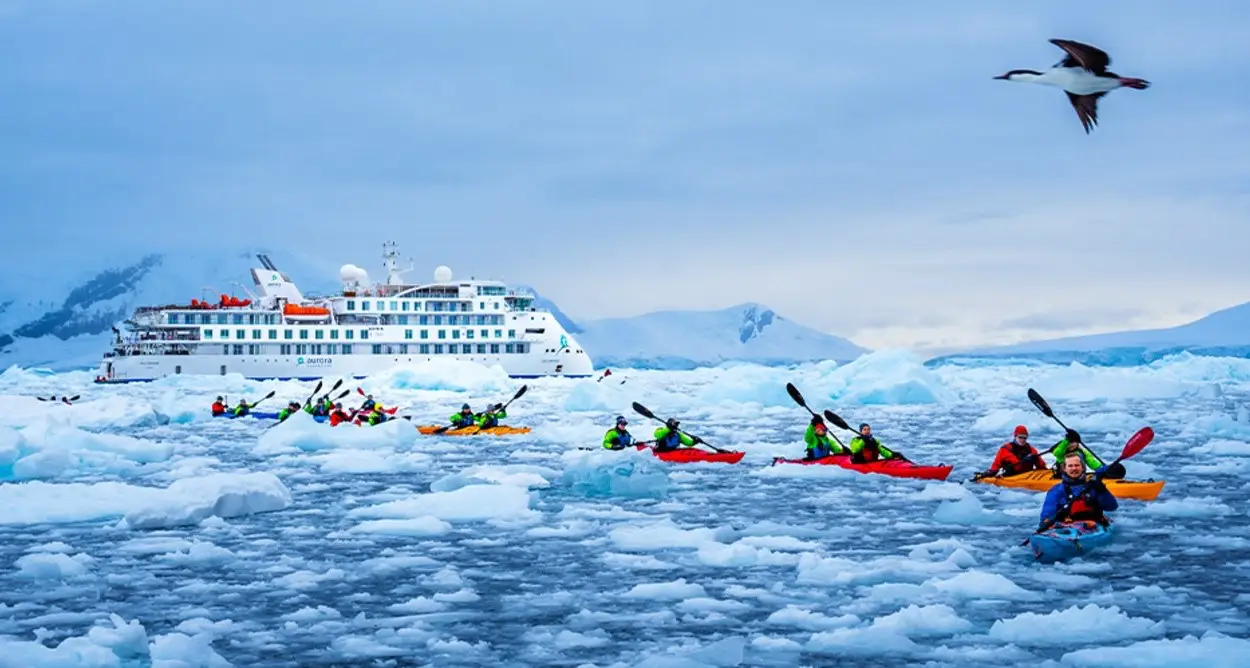
Wildlife and nature encounters remain the leading inspiration for expedition travel, cited by nearly three-quarters (74%) of respondents. Adventure and active exploration ranked second (70%), while bucket list motivation (33%) is increasingly paired with learning and enrichment (29%) and photography (29%).
Justin Ewin, Aurora Expeditions Global Head of Product said: “It’s no longer just about where you go, but how you experience it. The expertise of the expedition team plays a critical role in shaping that experience, from interpreting wildlife encounters to providing deeper context around the environments we visit. As the category grows, travellers are becoming more discerning.”
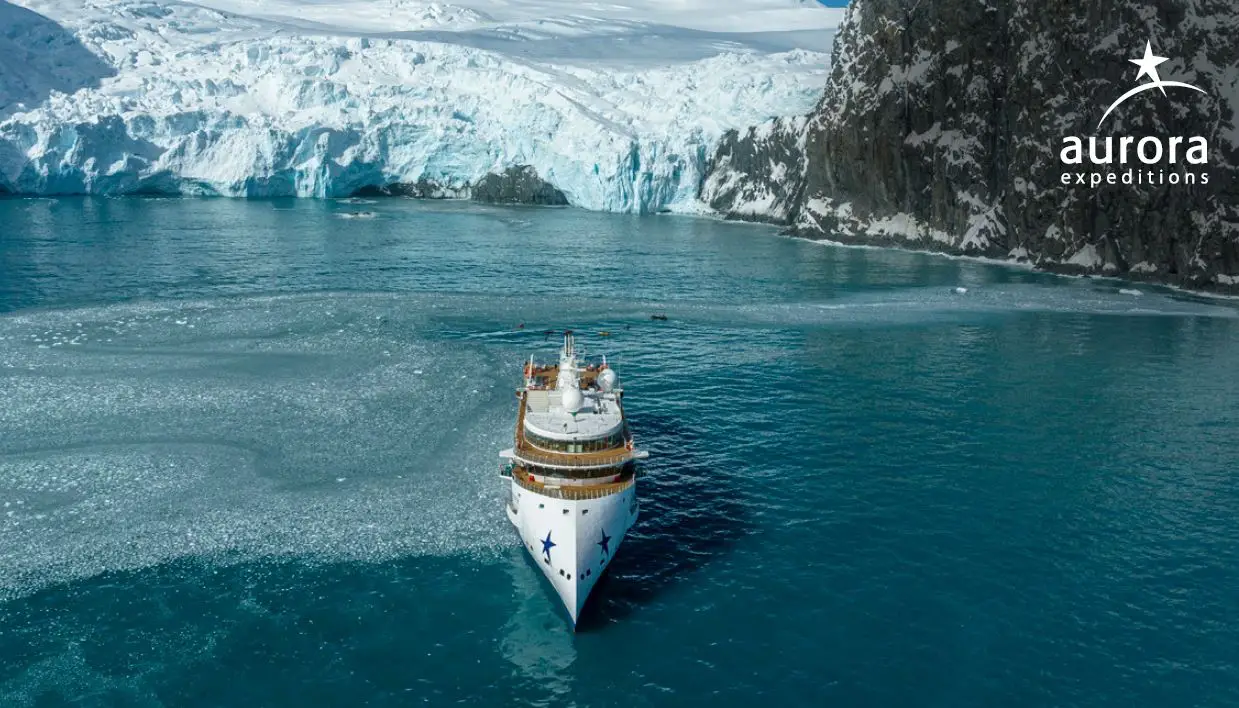
During its most recent Antarctic season, Aurora Expeditions delivered more than 800 landings across over 30 voyages, supported by a guide-to-guest ratio of 1:7, enabling a higher volume of small-group, expert-led experiences than is possible on larger vessels.
Repeat exploration: a new behavioural pattern
Expedition travel has long been positioned as a once-in-a-lifetime event. Approximately 20% of Aurora’s passengers are repeat guests who are returning to explore new regions and deepen their engagement with the natural world.
This shift represents a meaningful change in how operators must think about long-term guest relationships and programme development.
Solo travel accelerates
Independent travel is also reshaping the sector. CLIA data shows 12% of cruise travellers chose to sail solo in 2024, double the figure recorded the previous year. Among Aurora Expeditions’ own passenger base, the figure stands at 26% which is well above the industry average.
In response, Aurora Expeditions is expanding solo capacity across its fleet. Its newest vessel, the Douglas Mawson, includes dedicated solo cabins and up to 10 solo staterooms per sailing with no single supplement.
Increase in bookings for Antarctica
The North American performance comes as Aurora Expeditions delivered its largest Antarctic season to date, operating 30 voyages and facilitating an estimated 819 landings. North American bookings for Aurora Expeditions increased by 37%. The cruise line recently wrapped a record-breaking season bolstered by the debut of its third ship, the Douglas Mawson, and a 30% jump in overall expeditioners