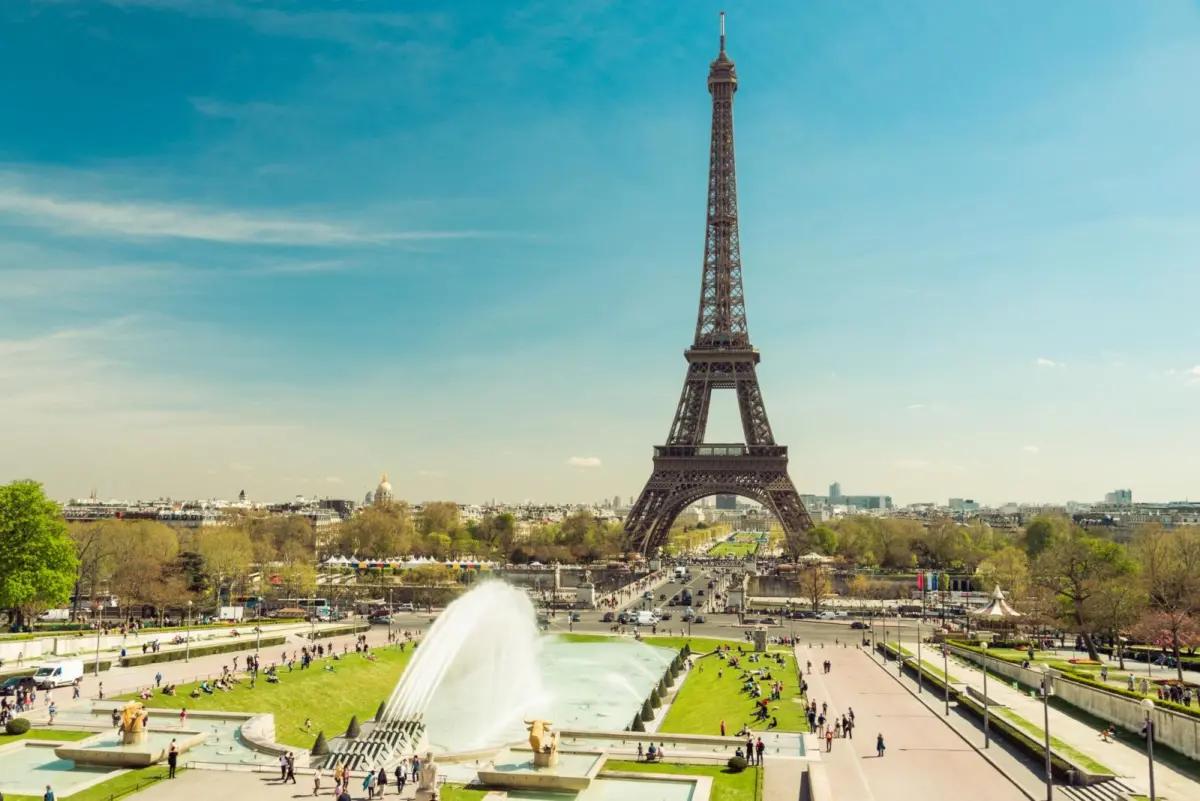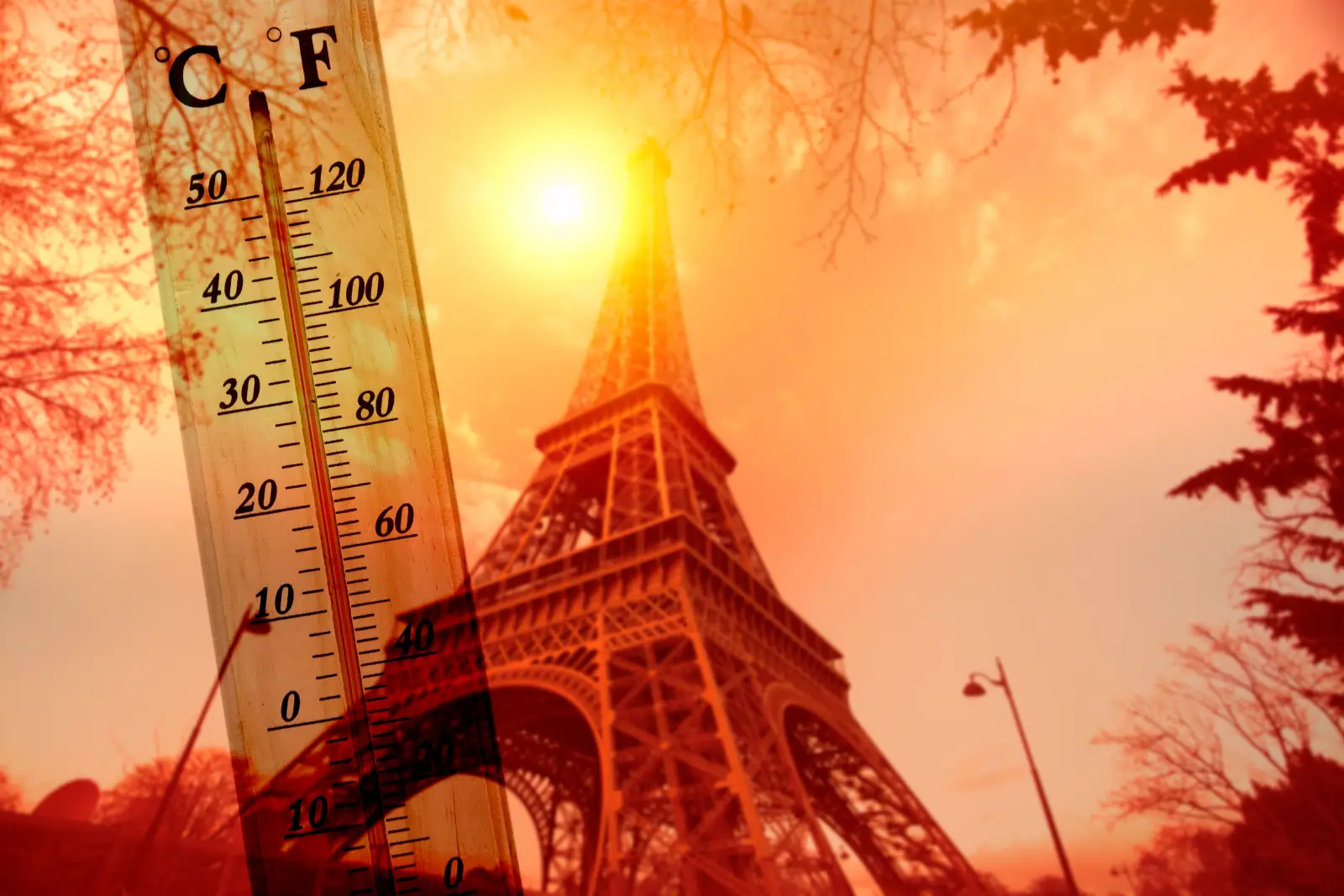
The Eiffel Tower closed early on 23 June as Paris battled an exceptionally high heatwave, affecting one of the world’s most visited tourist attractions. The decision came as the French capital struggled to cope with temperatures that have strained daily life across the city.
Visitors were turned away earlier than usual, with the landmark adapting its schedule in response to the extreme weather. The closure underlined the pressure the heatwave has placed on tourism, city services and residents in a metropolis built for far milder conditions.
Paris has faced a historic spell of heat, and people in the city have been trying to adjust to conditions that many said were becoming increasingly difficult.
The early closure is part of a broader disruption caused by the heatwave, which has pushed temperatures to dangerous levels and forced institutions to rethink how they protect workers and the public. For the Eiffel Tower, one of the most recognisable symbols of France and a major draw for international travellers, safety came first.
The landmark receives millions of visitors each year, and any change to its opening hours has an immediate effect on tourists planning a day in central Paris. On a day like this, the closure also alters the rhythm of surrounding restaurants, shops and transport links that depend heavily on visitor traffic.
Heat-related measures have become more common across Europe in recent years as summer temperatures rise and extreme weather arrives earlier and lasts longer. For travel operators and destination managers, the challenge is no longer only how to welcome crowds, but how to keep them safe when the weather turns severe.
Paris officials have been urging residents and visitors to take precautions, including drinking plenty of water and avoiding unnecessary exposure to the sun. The Eiffel Tower closure showed how even the most famous attractions can be forced to adapt when climate conditions become a direct operational issue.
For travellers, the message was clear, plan for disruption when visiting major cities during heat alerts. In Paris, where outdoor sightseeing is a central part of the experience, the impact of extreme weather can be immediate and highly visible.
Photo Credit: Melinda Nagy / Shutterstock.com