Paris’ Louvre Museum reopened to the public on October 22, three days after a high-profile jewel heist that saw thieves steal eight pieces from France’s Crown Jewels collection.
The reopening comes as authorities increase security measures at the world’s most visited museum and continue their investigation into the theft, estimated at €88 million (US $102 million).
The Apollo Gallery, where the theft occurred, remains sealed off while forensic teams continue their work. French President Emmanuel Macron has ordered tighter security at national cultural institutions following the incident, while the museum’s director, Laurence des Cars, faces parliamentary scrutiny over the breach.
Louvre Resumes Operations Under Heightened Security
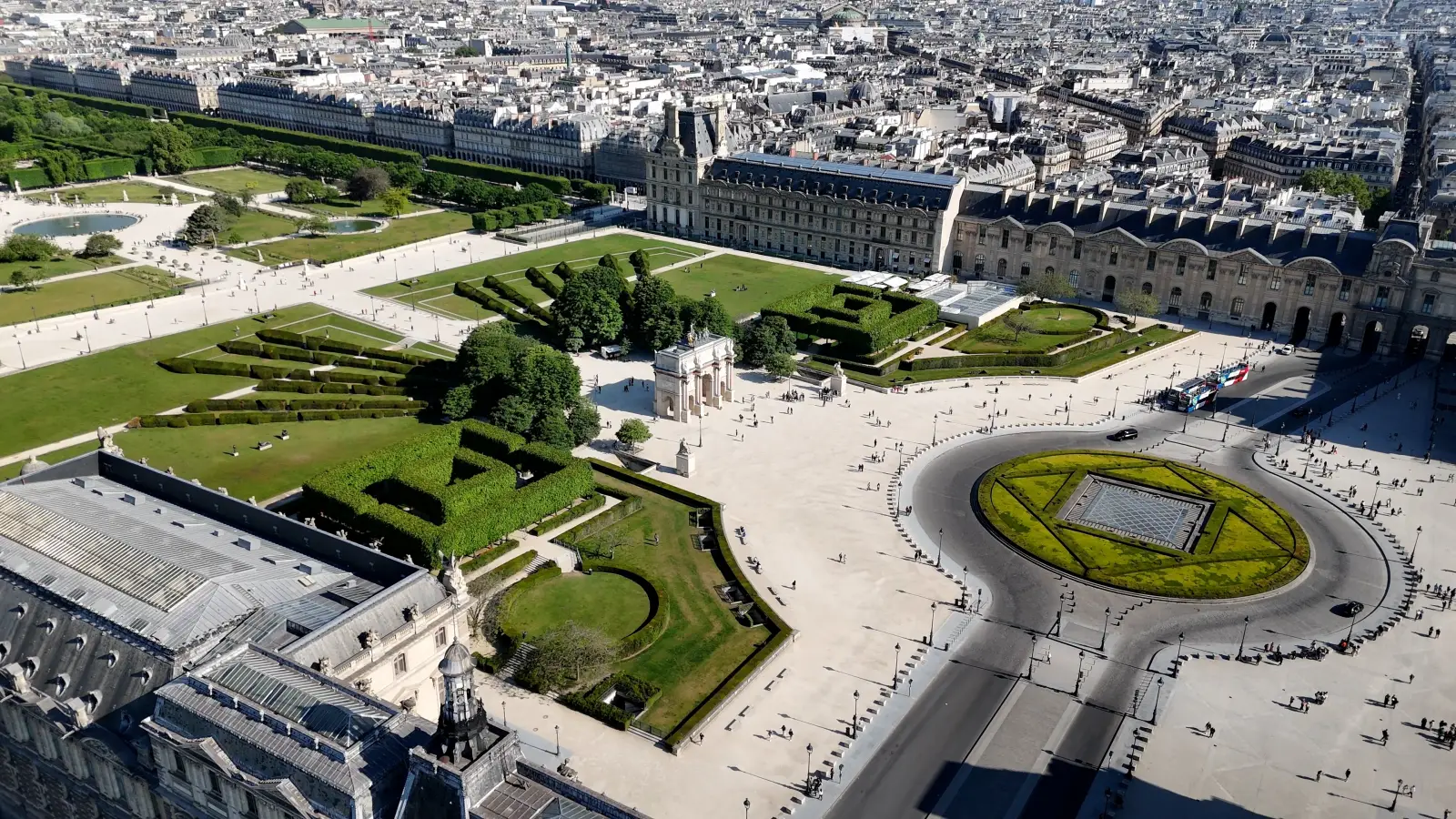
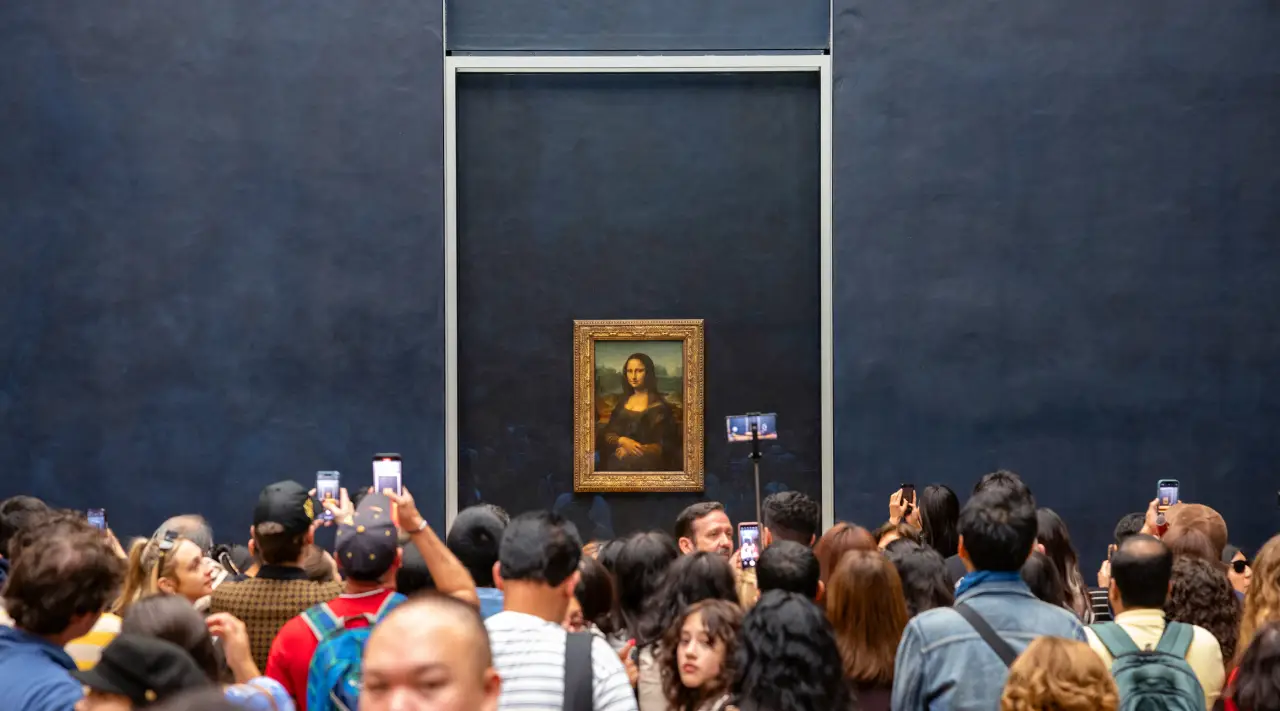
The Louvre resumed normal operations at 9 a.m. Wednesday, with long queues forming under the museum’s glass pyramid entrance. Museum staff confirmed that all major exhibition halls, including the Mona Lisa and the Winged Victory of Samothrace, reopened on schedule. Only the Apollo Gallery, which houses royal regalia and historic jewelry, remains closed until further notice.
Security personnel conducted extended bag checks and screenings as visitors entered the complex. Visible police presence around the courtyard and entrances has increased since the theft. The government’s response follows public concern over museum safety after the daylight robbery exposed weaknesses in existing surveillance systems.
According to reports from French and international media, the theft lasted about seven minutes. Security footage captured at least two masked individuals removing glass panels protecting the display cases before escaping through an emergency exit. No arrests have been announced, but investigators believe the operation was carefully planned and executed with insider knowledge of the museum’s layout.
Director to Face Lawmakers Over Security Failures
Louvre Director Laurence des Cars is expected to appear before the French Senate’s Culture Committee later this week to explain how the theft was carried out. Lawmakers are seeking answers on whether the museum’s current security contracts and staffing levels are sufficient for safeguarding high-value collections. Des Cars has not issued a public statement since the reopening.
French Culture Minister Rachida Dati confirmed that the ministry will conduct a “comprehensive audit of museum security protocols,” according to France24. She added that the review would cover not only the Louvre but also other state-run museums with rare artifacts or crown treasures.
The Louvre’s management team said the museum would remain open during the investigation and that additional security staff had been deployed throughout the site. Some areas may experience intermittent restrictions as police gather evidence or upgrade alarm systems.
Economic and Tourism Impact
The Louvre attracts roughly 8 million visitors annually, making it one of France’s most significant tourism and economic assets. The temporary closure over the weekend led to thousands of canceled or rescheduled visits. Travel agencies in Paris reported a surge in inquiries once reopening was confirmed, reflecting the museum’s central role in the city’s tourism economy.
While the reopening reassures local businesses, experts say the incident may affect France’s cultural reputation. “This is a symbolic attack on French heritage,” said one government official quoted by Reuters. “The financial loss is serious, but the damage to national pride is greater.”
Hotels and tour operators near the museum have emphasized that the theft did not affect other exhibits. Most travel companies resumed normal operations on Wednesday, though some advised clients to expect slightly longer wait times at security checkpoints.
Global Reactions and Ongoing Investigation
International reactions have underscored concerns about cultural property protection in major museums. Several institutions, including the British Museum and the Prado, have announced internal reviews of their own security systems following the Paris heist. The International Council of Museums (ICOM) issued a statement urging cultural organizations to “reassess security standards and transparency measures” in light of the event.
The French police’s art crime unit continues to lead the investigation with support from Interpol. Officials have not disclosed whether the stolen jewels have been traced, but reports indicate the artifacts were uninsured due to their status as inalienable state property. Authorities said museum operations will continue while the search for the missing items expands internationally.
Despite the ongoing investigation, the reopening aims to demonstrate resilience and confidence in France’s cultural institutions. For now, the Louvre remains open daily except Tuesdays, welcoming visitors under reinforced security while the Apollo Gallery stays sealed behind protective barriers. The museum has not yet announced a date for that section’s reopening.
Can Jewels Stolen from the Louvre Museum Be Sold? Experts Explain
The French Ministry of Culture described the stolen jewels as “priceless” in a robbery at the Louvre Museum in Paris, where masked thieves entered the first floor using a mechanical elevator, cut through a window, and threatened security guards before fending them off. Officials alleged that some of the rooms the thieves entered during the incident were not equipped with cameras.
Among the items taken were the crown and brooch belonging to Empress Eugénie, the emerald necklace and earrings belonging to Empress Marie-Louise, and the sapphire set and “Röliker” brooch belonging to Queen Marie-Amélie and Queen Hortense. The Ministry stated that Eugénie’s crown was found outside the museum, suggesting the thieves may have dropped it while escaping.
Experts say that selling the jewels in their current state would be nearly impossible. Speaking to the BBC, ancient jewelry expert Vincent Meylan emphasized that the cataloged works “are impossible to sell on the market in their current condition.” Dutch art crime investigator Arthur Brand said the thieves could attempt to dispose of the jewels by “separating the stones or melting down the metals.” Brand described the theft as “the product of a professional plan” and pointed to the Louvre’s security vulnerabilities.
Paris prosecutor Laure Beccuau said that the material damage from the stolen works during the seven-minute robbery could reach €88 million. Authorities have not confirmed whether all of the stolen pieces were cataloged in international art databases, but investigators believe any attempt to sell them publicly would trigger alerts within the global art trade network.
Experts warn that even if the thieves dismantle the jewels, their historical and cultural identity makes them traceable. As French officials intensify efforts to recover the stolen items, the Louvre’s security review remains central to preventing future incidents of the same scale.