Paris continues to rank among the world’s most visited cities, welcoming millions of international travelers each year for leisure, business, cultural events, and luxury experiences. While iconic landmarks such as the Eiffel Tower, the Louvre, and Montmartre remain timeless attractions, expectations around the travel experience itself have evolved significantly. Increasingly, visitors are placing as much importance on convenience and efficiency as they do on sightseeing.
One noticeable shift is the growing preference for personalized airport transfers. Rather than relying solely on taxis, public transport, or ride-hailing services, many travelers are opting for pre-arranged transportation tailored to their schedules and individual needs. This trend reflects broader changes in global tourism, where seamless journeys have become an essential part of the overall travel experience.
Why Airport Transfers Are Becoming More Personalized
Travel today extends far beyond simply reaching a destination. Visitors increasingly expect every stage of their journey to be organized, predictable, and comfortable.
Several factors have contributed to the rising demand for personalized airport transportation in Paris:
- Higher numbers of international visitors unfamiliar with local transport systems.
- Growth in premium and experience-focused tourism.
- Increasing business travel with tight schedules.
- Greater emphasis on reliability following years of travel disruptions.
- More travelers seeking stress-free arrivals after long-haul flights.
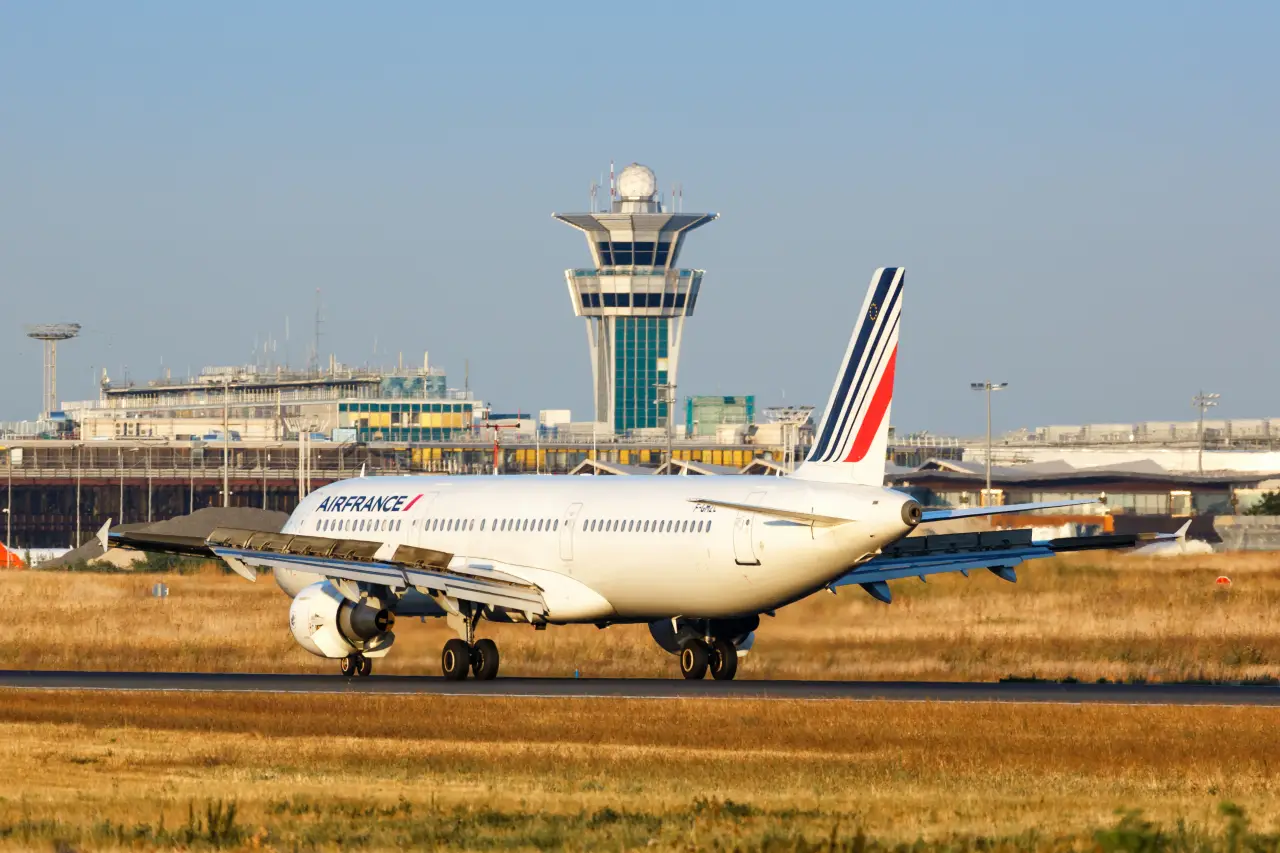
For many visitors, the first impression of Paris begins immediately after landing at Charles de Gaulle Airport (CDG), Orly Airport (ORY), or Paris Beauvais Airport (BVA). Reducing uncertainty during this stage can significantly improve the overall travel experience.
The Challenges of Traditional Airport Transportation
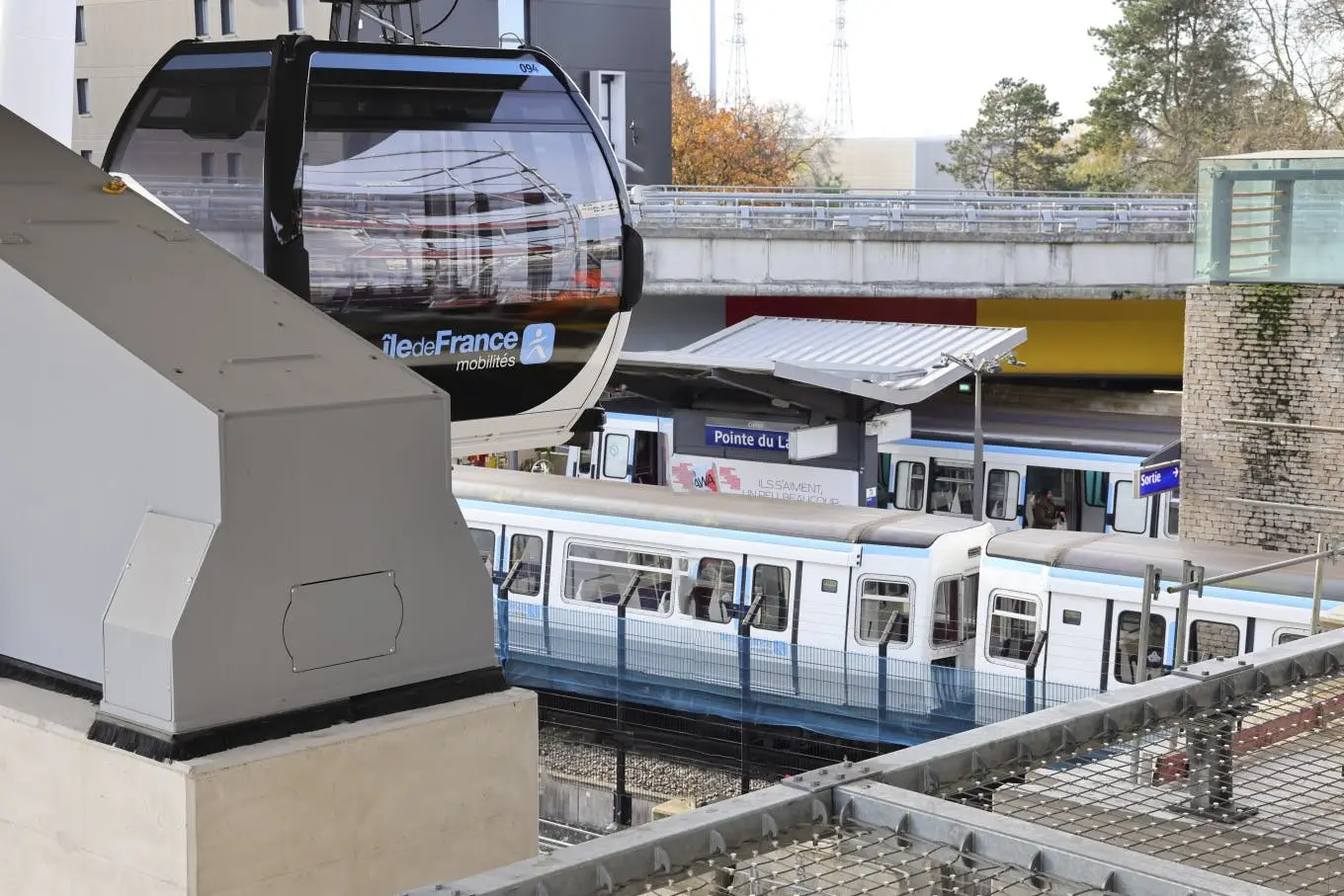
Paris offers an extensive public transportation network, including trains, buses, and metro connections. While these options remain practical for many residents and experienced travelers, they may present challenges for first-time visitors.
Navigating an Unfamiliar System
International travelers often arrive with luggage, different languages, jet lag, and limited knowledge of local transit routes. Purchasing tickets, understanding transfers, or identifying the correct platform can become stressful after a long flight.
Waiting Times
Although taxis are readily available at Paris airports, demand fluctuates significantly depending on flight schedules, weather, and major events. During peak travel periods, passengers may experience extended queues.
Ride-hailing services also remain popular but are subject to vehicle availability and dynamic pricing.
Complex Travel Requirements
Not every journey ends at a central Paris hotel.
Many visitors travel directly to:
- Business meetings
- Conference venues
- Luxury hotels
- Family residences
- Disney destinations
- Champagne region estates
- Normandy
- Loire Valley
- Other French cities
These itineraries often require transportation beyond standard point-to-point urban travel.
Personalization Is Becoming the New Standard
The growing popularity of personalized airport transfers reflects changing traveler expectations rather than luxury alone.
Modern transportation providers increasingly allow passengers to customize various aspects of their journey before arrival.
Flight Monitoring
Delayed flights are a common reality of international travel. Professional transfer providers often monitor flight arrivals, allowing drivers to adjust pickup times without requiring passengers to coordinate changes while in transit.
This feature reduces uncertainty after unexpected delays.
Vehicle Selection
Travel groups have different requirements depending on the number of passengers, luggage capacity, or desired level of comfort.
Families may require larger vehicles with additional luggage space, while executives traveling between meetings often prioritize quiet, comfortable interiors suitable for working during the journey.
Flexible Scheduling
Many visitors no longer travel directly from the airport to a hotel.
Some prefer stopping for meetings, sightseeing, shopping, or dining before reaching their final destination. Personalized transfers can often accommodate these customized itineraries more effectively than traditional transportation options.
Business Travel Continues to Shape Demand
Paris remains one of Europe’s major business destinations, hosting international conferences, exhibitions, corporate meetings, and diplomatic events throughout the year.
Business travelers frequently operate on tight schedules where transportation delays can disrupt entire itineraries.
For this audience, airport transportation is less about luxury and more about reliability.
Pre-arranged transfers offer advantages such as:
- Scheduled pickups.
- Known meeting points.
- Professional drivers familiar with business districts.
- Predictable travel planning.
- Simplified expense management.
As companies continue prioritizing employee travel efficiency, personalized airport transportation has become increasingly integrated into corporate travel policies.
Tourism Experiences Now Begin at the Airport
The hospitality industry has increasingly recognized that guest satisfaction begins long before hotel check-in.
Hotels, travel advisors, destination management companies, and luxury tour operators now frequently coordinate transportation as part of the complete visitor experience.
Instead of treating airport transfers as a separate logistical task, they are becoming one element within an integrated travel itinerary.
For travelers comparing transportation options before arriving in France, KAR GO reflects the growing preference for pre-booked chauffeur services that prioritize personalized mobility over traditional on-demand transport.
Technology Is Supporting More Seamless Journeys
Digital technology has significantly improved airport transfer experiences over the past decade.
Online reservations, digital confirmations, real-time flight monitoring, and electronic payment systems have simplified what was once a largely manual process.
Travelers increasingly expect:
- Transparent pricing before departure.
- Confirmation prior to arrival.
- Driver contact information.
- Digital invoices.
- Real-time communication if travel plans change.
These features reduce uncertainty and provide travelers with greater confidence before they even leave home.
Sustainability Is Influencing Transportation Choices
Environmental considerations are also shaping travel decisions.
Many transportation providers are gradually expanding fleets to include hybrid and electric vehicles while optimizing routes to reduce unnecessary mileage.
Although sustainability remains only one factor influencing airport transfer decisions, it has become increasingly relevant for both leisure travelers and corporate travel managers seeking to reduce travel-related emissions.
As Paris continues implementing environmental initiatives and low-emission transport policies, transportation providers are adapting alongside broader city mobility strategies.
Looking Ahead
The demand for personalized airport transfers reflects wider changes in global tourism rather than a temporary trend.
Travelers increasingly value experiences that minimize uncertainty, simplify logistics, and allow them to focus on the purpose of their trip whether attending business meetings, exploring Paris, or beginning a wider journey across France.
As international travel continues to recover and visitor expectations evolve, airport transportation is becoming an important extension of the overall hospitality experience. Personalized services, flexible scheduling, and technology-enabled convenience are likely to remain central features of how visitors choose to begin and end their time in one of Europe’s most visited destinations.
Rather than replacing public transportation or traditional taxis, personalized airport transfers have established themselves as an additional option that caters to travelers seeking greater predictability, comfort, and flexibility. In a destination as dynamic as Paris, that combination is becoming an increasingly valued part of modern travel.