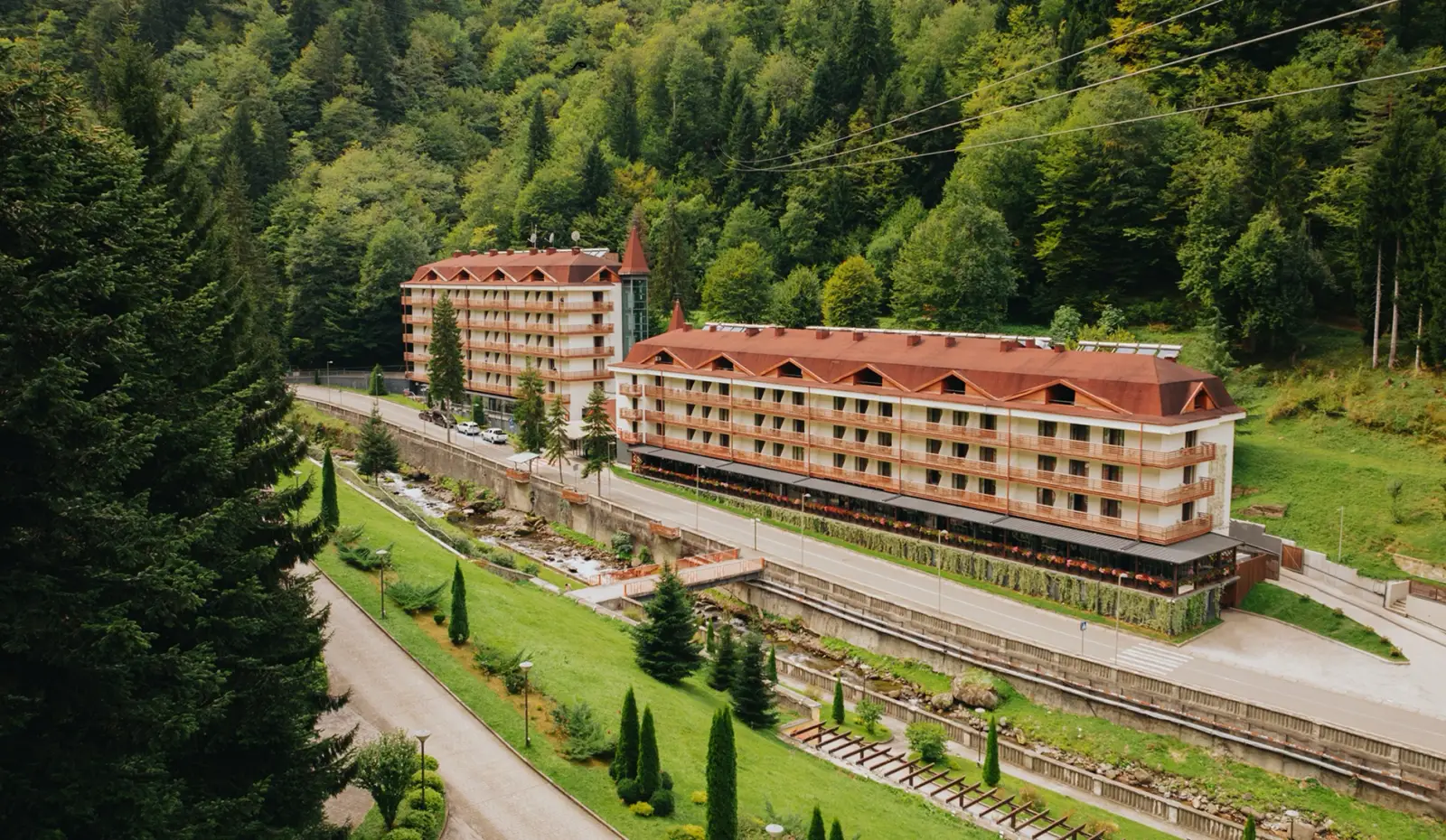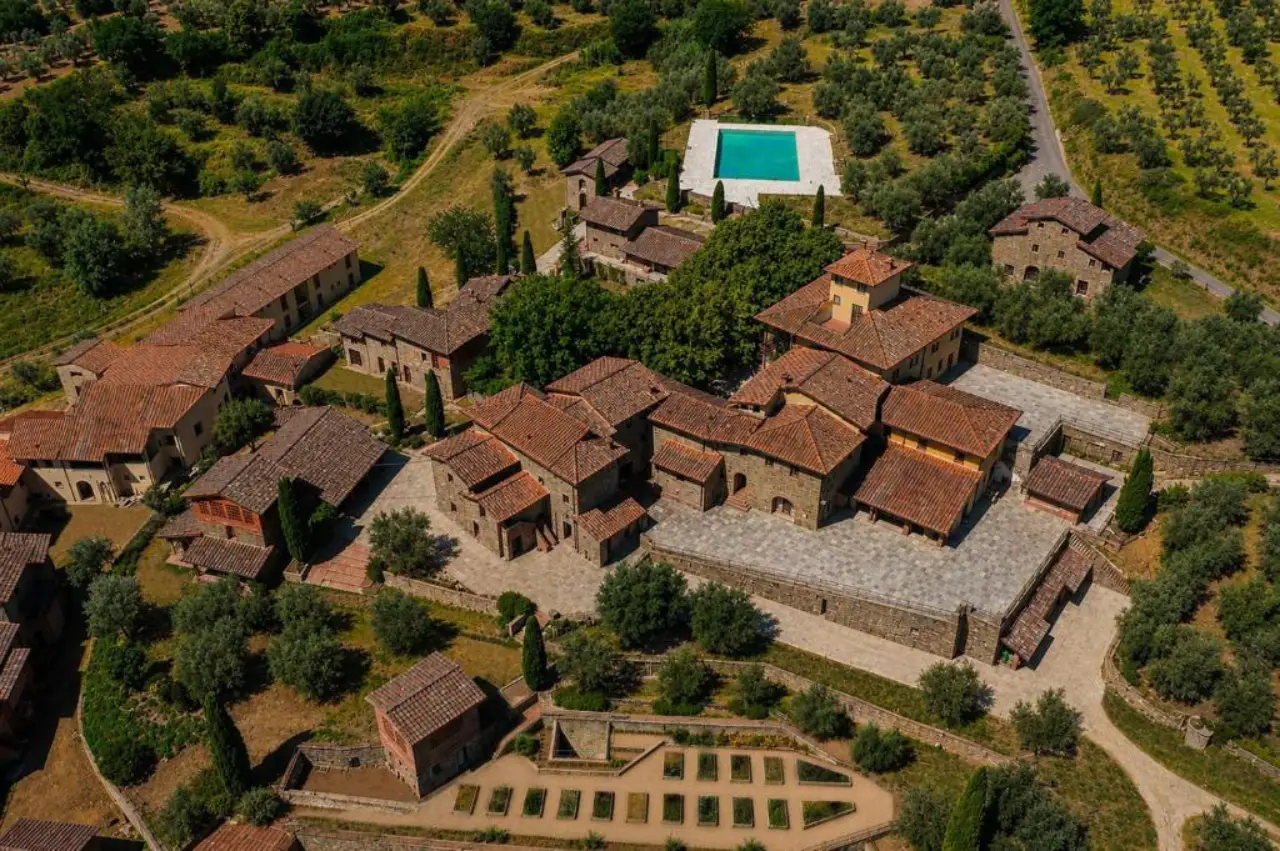
Chapter Chianti, a member of Design Hotels, has opened in Tuscany, bringing an 82 key luxury retreat to a 17th century borgo surrounded by vineyards, olive groves and more than 3,000 olive and cypress trees.
The hotel is the second property from Chapter Italia, the boutique portfolio founded by Marco Cilia, following the success of Chapter Roma in 2019. It occupies a restored village spanning more than 50 hectares in the Chianti hills, around 45 minutes from Florence and within reach of Siena.
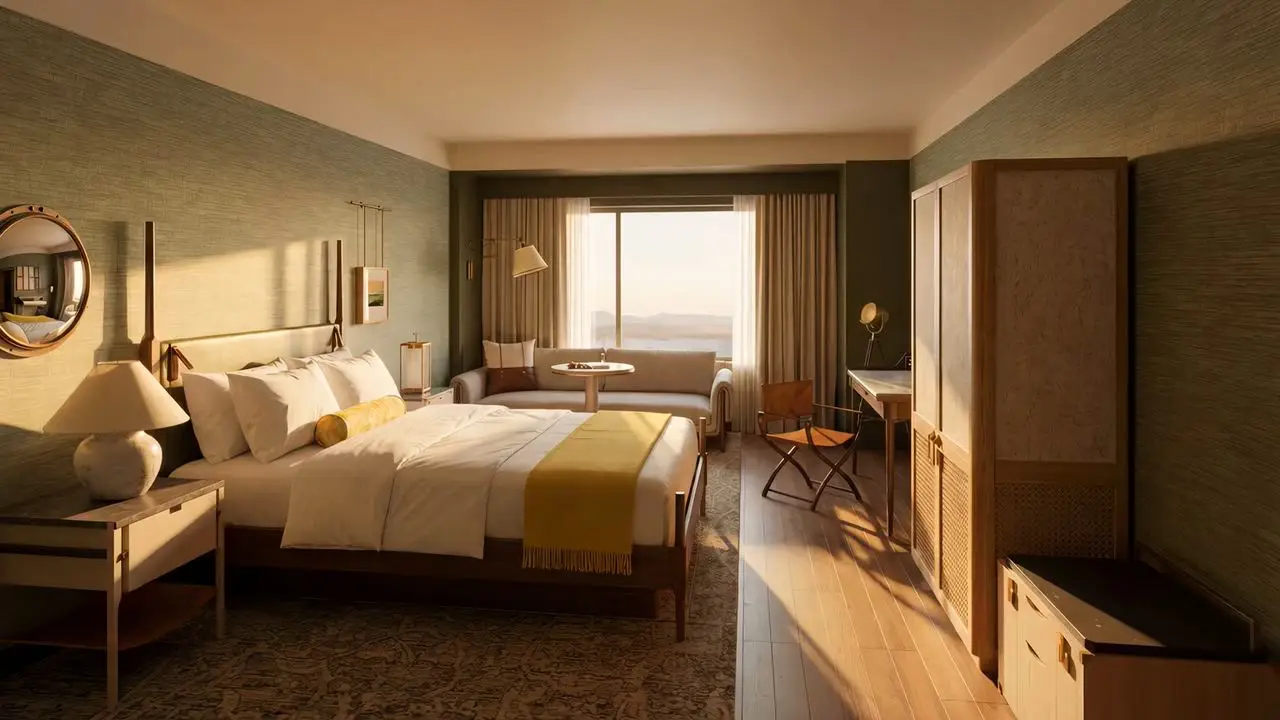
The resort sits in a natural amphitheatre setting and combines preserved historic features with contemporary interiors by Tristan du Plessis of Studio A. Original stone staircases and vaulted ceilings remain in place, while local stone, marble, handcrafted furniture and custom lighting from DCW Editions and Marset are used across the rooms, suites and public spaces.
“Following the success of Chapter Roma, we wanted to take the Chapter philosophy beyond the city and show that contemporary design and authentic Italian hospitality can thrive anywhere,” said Marco Cilia, owner of Chapter Italia. “Tuscany has incredible countryside resorts, but many felt too quiet, too expected. We set out to create a place where you can unwind completely or let your hair down, sometimes both in the same day.”
Tristan du Plessis said the aim was to create something bold and modern in a region defined by tradition, without losing its soul. He said the result was a space where the passage of time is visible but not frozen, describing the property as a historic village transformed into something radically contemporary yet timeless.
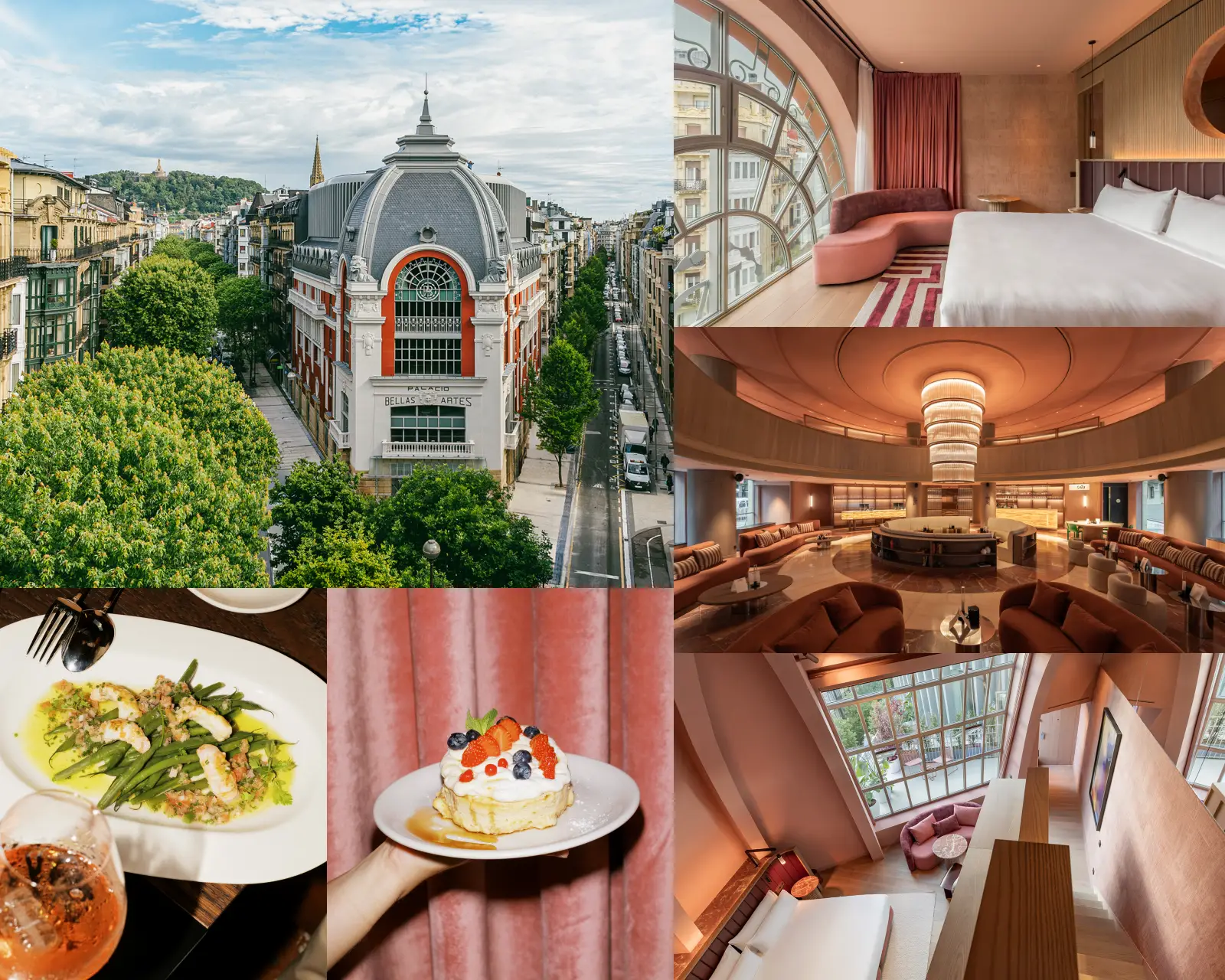
Food and drink are central to the concept. Chef Daniele Auricchio leads the kitchen, with Osso as the signature restaurant, inspired by traditional Macelleria style Italian grills and chophouses and focused on Tuscan meat dishes, regional produce and local cheeses.
By day, the Parasole Pool Bar serves Mediterranean inspired light bites beneath pagoda style parasols from Crema Outdoor. The hotel’s Main Bar channels the energy of downtown New York through a cocktail programme and live entertainment. A 120 bottle wine list runs across the property, weighted towards Tuscan and Chianti labels.
Chapter Chianti says its approach is built around revival and vibrancy rather than a quiet countryside escape. The hotel has positioned itself as a social destination, with spaces designed for dining, events and informal gatherings as well as the more traditional amenities expected from a luxury resort.
Wellness is another major part of the offer. The new F.A.R.M Social spa concept, short for Forever A Relaxed Mood, includes a 500 square metre facility with a Turkish steam bath, sauna, dry hammam and a 130 square metre Panatta fitness centre, plus an outdoor padel court. The indoor pool circuit includes five pools, two cold plunges, hydrotherapy and salt features, with three treatment rooms offering 111Skin facials and massages.
The property also offers a range of outdoor activities intended to connect guests with the landscape and local culture. These include horseback riding through vineyards, truffle hunting, olive oil harvesting, hot air balloon rides over the Chianti hills, falconry, guided hikes, e-bike tours and cooking classes with Chef Daniele.
A restored stone oven, once used by the whole village, now hosts hands on lessons in Italian specialities such as Picci Wild Boar Ragu and pizza making. The hotel has also been granted a licence to host wedding ceremonies on site, alongside a selection of indoor and outdoor event spaces.
In 2027, Chapter Chianti is due to add more facilities, including Hey Guey, the Mexican restaurant already known from Chapter Roma, serving tacos and empanadas from noon until late. The hotel will also add The Mansion, a five bedroom private villa with its own pool, butler and chef on demand. The resort said the villa will also give guests access to the main hotel facilities.
The opening comes as Tuscany continues to attract luxury hotel investment, with new properties increasingly aiming to combine heritage architecture, high end design and experiential travel. Chapter Chianti is betting that a more energetic, social take on rural Italy will appeal to travellers looking for both style and immersion in the destination.