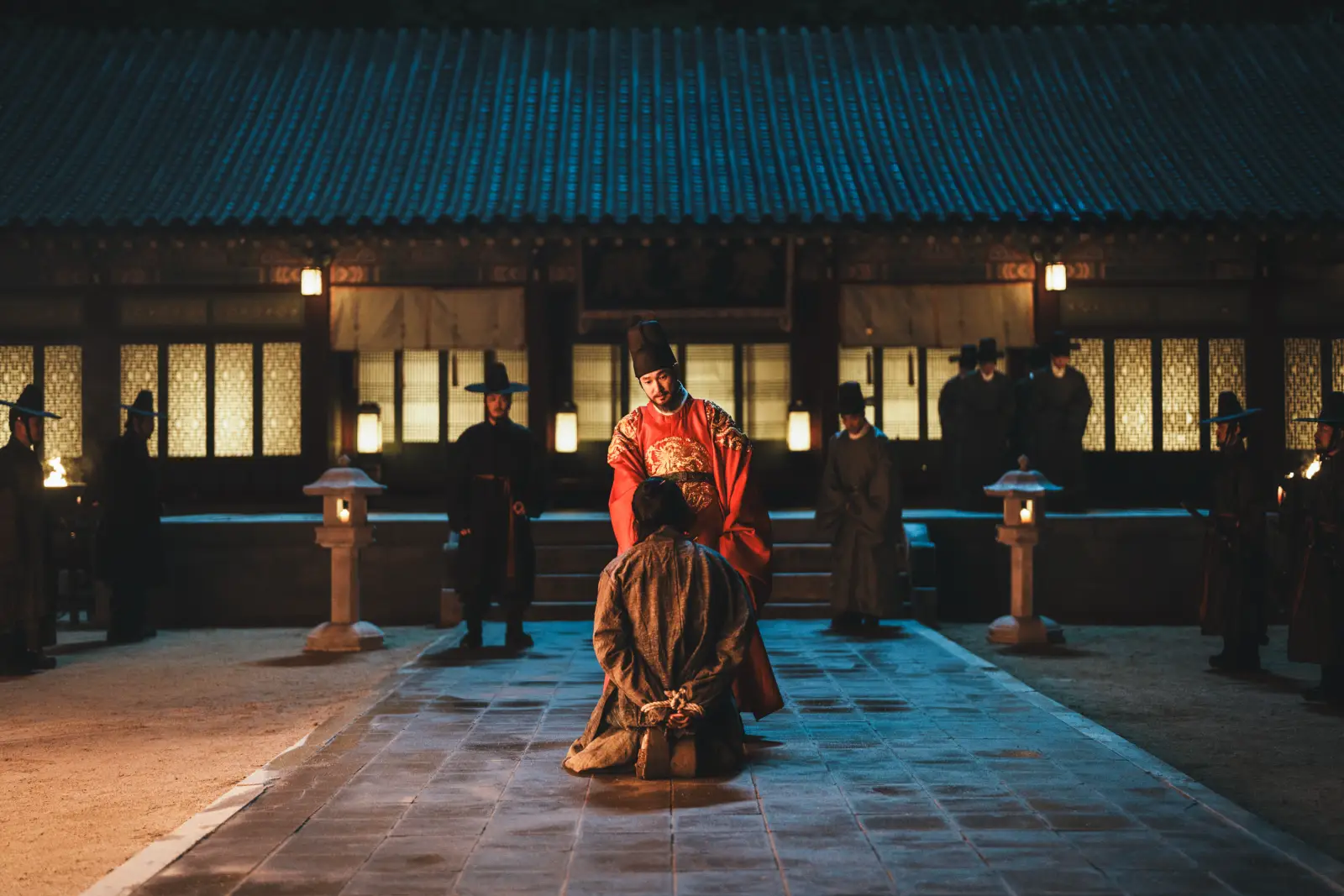
Netflix’s new Korean drama The East Palace has put two South Korean filming locations into the travel spotlight, with scenes shot at Seoraksan National Park and the Mungyeong Saejae Open Set. The series, which mixes mystery, action, history and local legend, began streaming on 17 July 2026.
The show follows Gu-cheon, played by Nam Joo-hyuk, and Saeng-gang, played by Roh Yoon-seo, as they uncover a dark secret inside a royal palace. While some viewers have assumed the production used the Donggung Palace and Wolji Pond site in Gyeongju, the drama’s palace scenes were instead filmed at the Mungyeong Saejae Open Set.
For travel watchers, the drama offers a new set-jetting route through South Korea. Its location choices combine mountain scenery, temple grounds and a purpose-built historical studio that is already familiar to fans of Korean period dramas.
Much of Gu-cheon’s backstory was filmed in Seoraksan National Park, one of South Korea’s best known natural sites and a frequent candidate for UNESCO World Heritage status. The park covers more than 160 sq km in the country’s centre-west and is known for its biodiversity, hiking trails and dramatic granite peaks.
The park contains a wide range of plant and animal life, including oaks, Siberian pines, flying squirrels and Chinese sparrowhawks. It also shelters endangered species such as Tristram’s woodpecker and the Korean goral, making it a draw for wildlife enthusiasts as well as walkers.
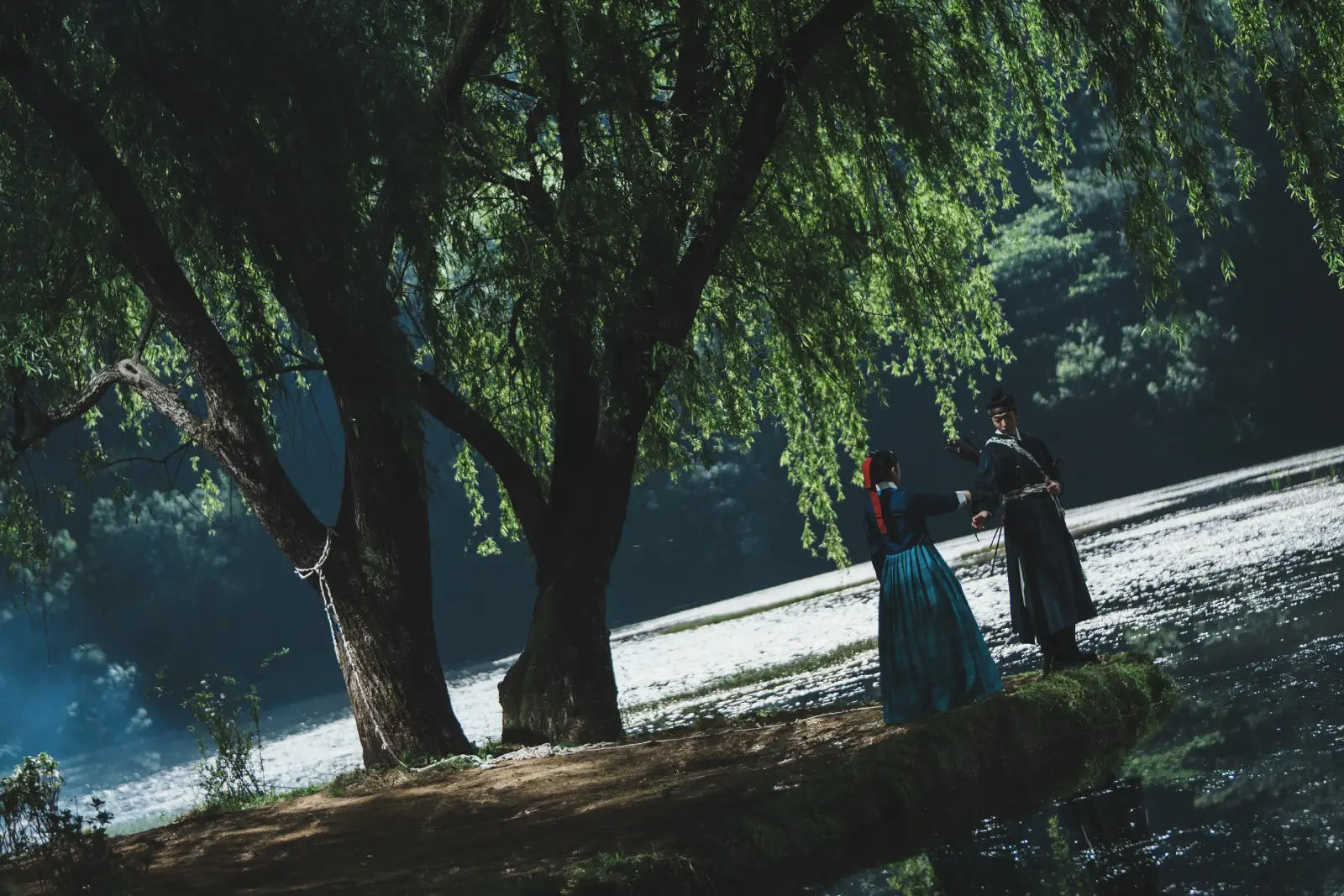
Visitors are also drawn to landmarks such as Ulsanbawi Rock, one of the park’s most recognisable summits. Rising to more than 870 metres above sea level and marked by five peaks, it offers views across the East Sea and is popular at sunrise.
Other major attractions in the park include Biryong Falls, the Towangseong Falls system, and Sinheungsa temple. The temple was founded in 652 and is now known for its large bronze Buddha statue, the Great Buddha of Unification, which stands more than 14 metres tall.
Set-jetting interest is likely to grow around Mungyeong Saejae Open Set, which is open to visitors and regularly used for Korean historical dramas. Its traditional-style buildings helped create the royal court atmosphere in The East Palace without relying entirely on a real palace site.
That distinction may matter to travellers hoping to follow the show’s trail, as the production did not use Donggung Palace and Wolji Pond for its key royal scenes. Instead, the series combines real landscapes with studio work and visual effects, a common approach in Korean fantasy drama production.
The result is a travel-friendly backdrop that may encourage fans to explore South Korea beyond its capital and major urban centres. For visitors, the appeal lies in being able to pair screen locations with established outdoor and cultural sights.
South Korea has increasingly become a destination for travellers interested in filming locations, and The East Palace adds another reason to look beyond the usual Seoul itinerary. With mountain trails, temple visits and a historic open set, the series gives fans several options for a themed trip.
The show is also part of Netflix’s wider effort to expand Korean-language content for global audiences. For the travel industry, that visibility can translate into fresh interest in regional destinations that are less familiar to international visitors.
Photo Credit: Garage Lab/Netflix © 2026