Bristol Airport has ordered electric vehicles, solar panels, giant heat pumps and newer, more fuel-efficient planes as part of a drive to cut its carbon emissions. But climate campaigners say the changes do little to tackle the main source of pollution, the flights themselves.
The airport is seeking permission to expand from 12 million passengers a year to 15 million, while increasing its annual flight cap by 15,000 to 100,000. It says the plan can be delivered sustainably, but opponents argue that 99% of the airport’s carbon footprint comes from aircraft in the air, not from activity on the site.
Bristol Airport’s chief executive, Dave Lees, said the airport is on a path to net zero by 2030, though that target does not include emissions from flights. Campaigners from Bristol Airport Action Network say the airport is ignoring the climate impact of aviation at a time of repeated heatwaves, droughts and wildfires.
The debate comes as North Somerset councillors read the airport’s expansion plan, which would also bring a bigger terminal building and new landing lights on common land beside the airport. The application is part of a wider push by regional airports to grow, backed by the UK government as a way to support economic growth.
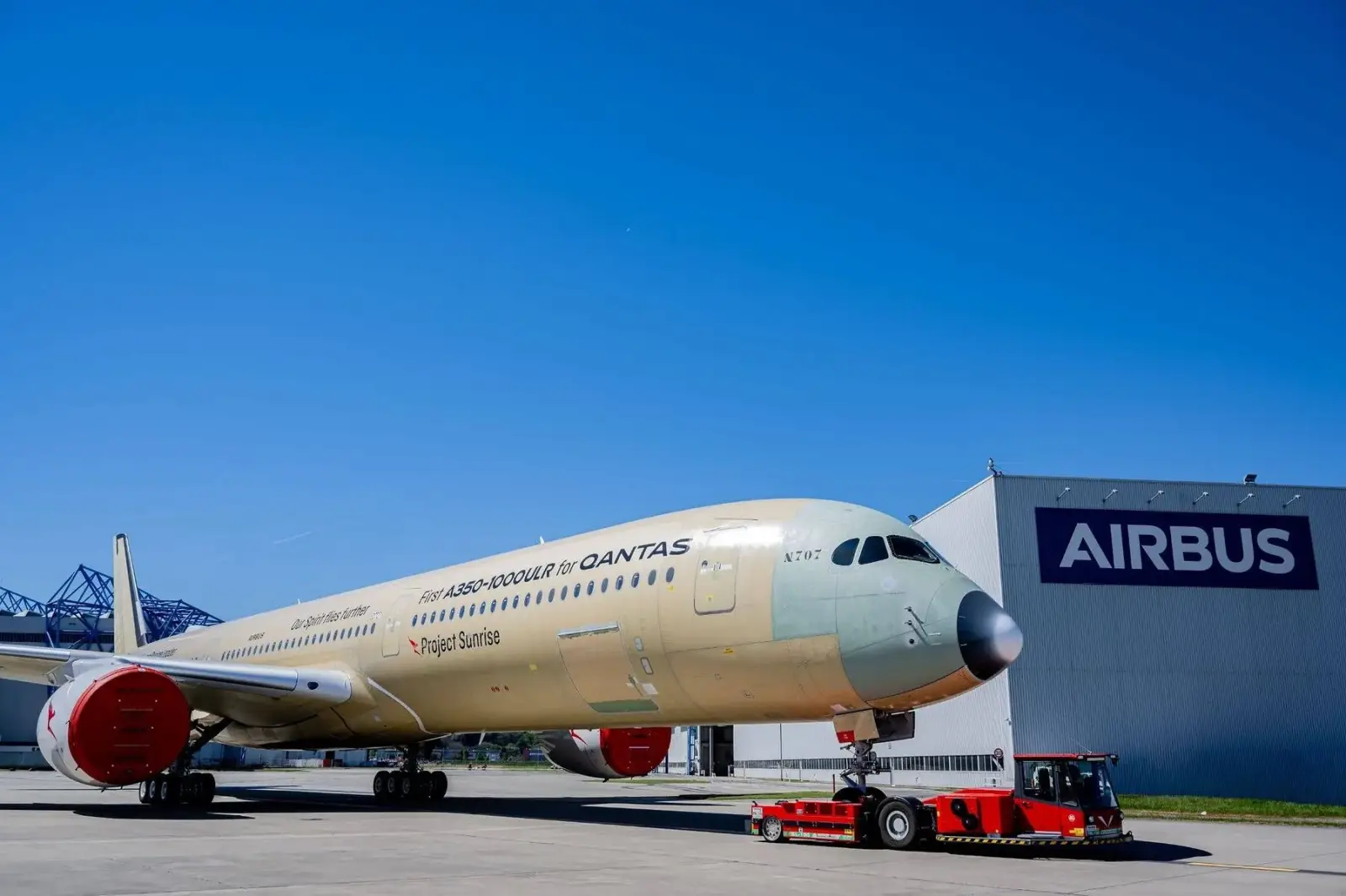
Airport bosses say the latest technology is helping them cut emissions where they can. They point to electric vehicles across the site, rooftop solar power and 22 industrial-scale heat pumps, as well as newer Airbus NEO aircraft operated by EasyJet, which they say use 20% less fuel than earlier models.
Kevin Doyle, EasyJet’s UK manager, said the airline’s fleet renewal is part of its long-term climate strategy. “Our roadmap is by 2050 to get to net zero, and this aircraft very much helps us on that path,” he said. “Within Bristol we’ve actually got 13 of the 20 aircraft that are here from that next generation,” he said.
But campaigners say efficiency gains cannot offset more flights. Mary Collett, from Bristol Airport Action Network, said: “When they are adding another 15,000 extra flights, being more fuel efficient isn’t going to make much difference.” She added: “People are flying on holiday to places where there are wildfires, where they can’t go out of their hotel. What kind of world are we building here?”
In 2024, Bristol Airport’s direct emissions were 3,680 tonnes of carbon dioxide, compared with 682,167 tonnes from indirect emissions including flights. Campaigners say that shows why airport-side measures cannot solve the problem without cutting air traffic.
Lees said the airport was trying to reduce emissions “for aviation” through several measures. “We’re on a journey towards that transition to net zero,” he said. “It’s not just a quick flick of the switch. That’s going to take some years, and for aviation there are lots of levers we’re pulling.”
The clash reflects a wider argument over how aviation should respond to climate change. The UK Climate Change Committee has estimated that by 2040 aviation could account for a quarter of the country’s carbon emissions, as other sectors move faster to renewable energy while planes still rely on jet fuel.
The Met Office has said this summer’s heatwaves, which have “smashed records”, are becoming more frequent and intense because of human-caused climate change. For Bristol Airport’s critics, that makes expansion the wrong answer.
Collett said the focus should be on fewer flights, not more infrastructure. “With the weather like this at the moment, the unbearable heat, the fact that we can’t grow food as easily, we just can’t carry on expanding airports, we all just need to fly a bit less,” she said.
Airport bosses, however, argue there is strong demand for travel and that more efficient aircraft can help meet it with lower emissions per seat. Standing beside a jet bound for Croatia, Doyle said: “There’s a passenger demand for it. That’s why we’ve got our flights. And with the new aircraft, they are more fuel efficient than ever.”